China's Ongoing Silence on Tiananmen Massacre: 37 Years Later
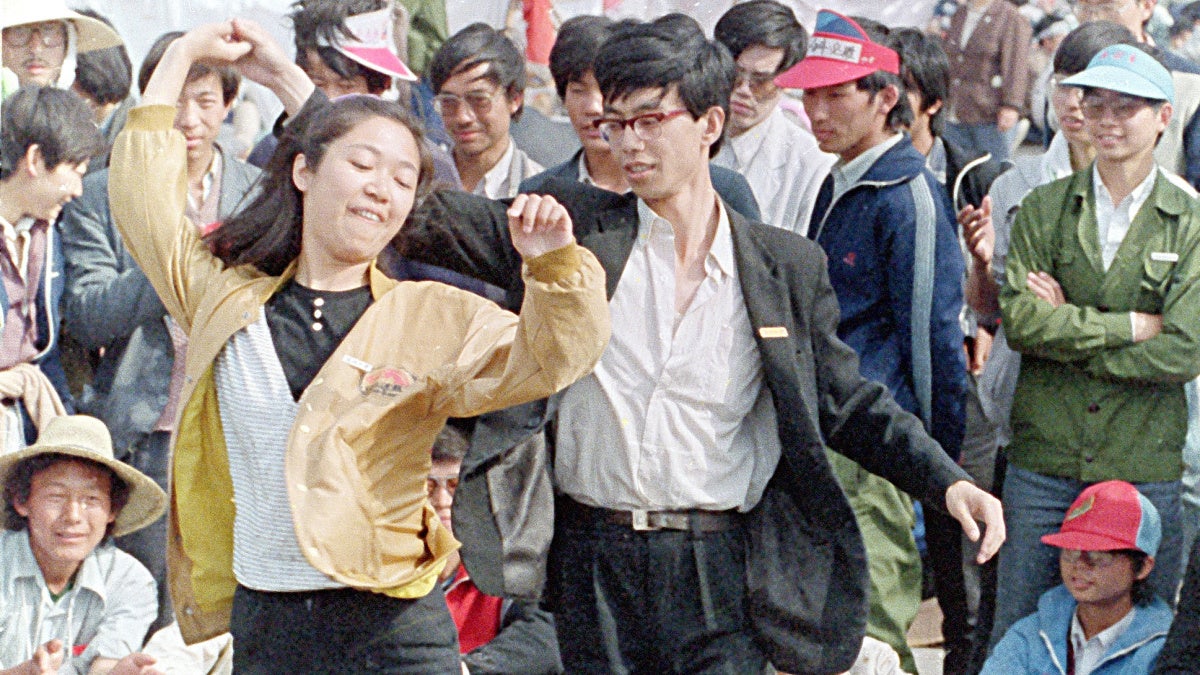
As the world marks the 37th anniversary of the Tiananmen Square Massacre, Human Rights Watch highlights the continued repression of dissent in China. The Chinese government's refusal to acknowledge the events of June 4, 1989, remains a significant barrier to justice and accountability.
Introduction
As the 37th anniversary of the Tiananmen Square Massacre approaches, the Chinese government continues to maintain a tight grip on information and dissent related to the events of June 4, 1989. Human Rights Watch (HRW) has released a report emphasizing the lack of justice for victims and the ongoing repression of those who dare to remember the tragic events that unfolded in Beijing.
The Massacre and Its Legacy
The Tiananmen Square Massacre, which saw the Chinese military violently suppress pro-democracy protests, resulted in an unknown number of deaths, with estimates ranging from hundreds to thousands. The Chinese Communist Party (CCP) has since sought to erase all public memory of the incident, implementing strict censorship laws that prevent any discussion or commemoration of the massacre.
Human Rights Watch Report
In its recent report, HRW highlights the ongoing human rights abuses in China, particularly in relation to the Tiananmen Square Massacre. The organization notes that the government has not only failed to provide justice for the victims and their families but has also intensified its crackdown on dissenting voices in the years following the massacre.
Censorship and Repression
The Chinese government employs sophisticated censorship mechanisms to control the narrative surrounding Tiananmen. Online platforms are heavily monitored, and any mention of the massacre is swiftly deleted. Commemorative events, such as vigils or public discussions, are met with police presence and often result in arrests. Activists and families of victims face harassment, intimidation, and imprisonment for attempting to speak out about the events of 1989.
International Response
Internationally, the Tiananmen Square Massacre remains a symbol of the struggle for human rights in China. Various governments and human rights organizations have called on Beijing to acknowledge its past and to allow for a full accounting of the events that took place. However, the Chinese government has consistently rebuffed these calls, framing them as foreign interference in domestic affairs.
The Role of Hong Kong
In recent years, Hong Kong has been a focal point for commemorating the Tiananmen Square Massacre, with annual vigils drawing thousands of participants. However, following the implementation of the National Security Law in 2020, authorities have cracked down on these gatherings, citing public safety concerns. The once-vibrant discourse surrounding the massacre in Hong Kong is now under threat, with many activists facing charges for their participation in memorial events.
Conclusion
The 37th anniversary of the Tiananmen Square Massacre serves as a stark reminder of the ongoing struggle for justice and accountability in China. As the government continues to suppress any discussion of the events, the international community must remain vigilant and advocate for the rights of those who seek to remember and honor the victims of this tragic chapter in history. Without acknowledgment and justice, the cycle of repression is likely to continue, leaving the wounds of the past unhealed.