China's Renewed Push for Global Assets: A Strategic Shift in Investment
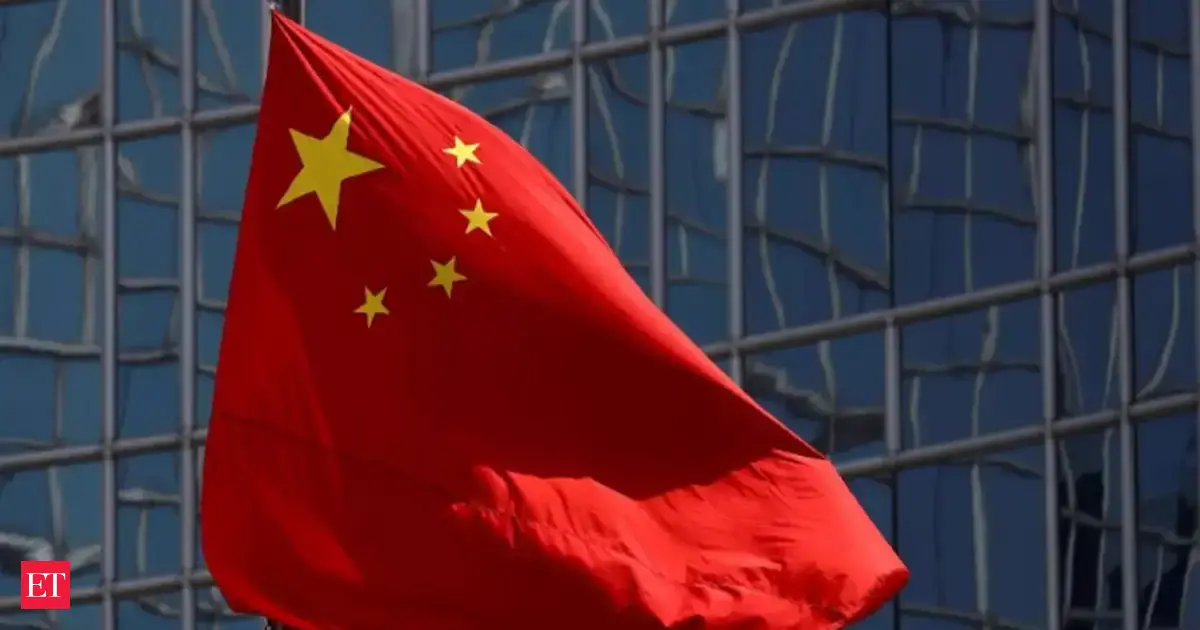
China is ramping up its overseas investments, acquiring assets across various sectors including sports and metals. This trend marks a significant shift in China's global economic strategy as it seeks to strengthen its influence and secure vital resources.
China's Renewed Push for Global Assets
In a notable resurgence of overseas investment, China is once again making headlines with its aggressive acquisition strategy, targeting a diverse range of sectors from sports to metals. This renewed push is indicative of a broader economic strategy aimed at securing vital resources and expanding China's global influence.
Strategic Acquisitions
The latest reports highlight China's acquisition of global assets, with a particular focus on high-profile brands and essential commodities. Recently, Puma, a leading sportswear brand, was among the companies that caught the attention of Chinese investors. Such acquisitions not only bolster China's presence in the global market but also align with its long-term strategy of diversifying its economic portfolio.
Metals and Resources
In addition to sports brands, China has been actively pursuing investments in the metals sector. The country's demand for metals, driven by its robust manufacturing and construction industries, has prompted it to seek stable sources of supply worldwide. By acquiring overseas assets, China aims to mitigate risks associated with fluctuating global markets and secure a steady flow of essential materials.
Economic Implications
This strategic shift in investment is not just about acquiring foreign assets; it reflects China's ambition to enhance its economic resilience. As the global landscape continues to evolve, China's focus on securing critical resources is becoming increasingly important. Analysts suggest that these investments will not only benefit Chinese companies but could also reshape global supply chains and market dynamics.
Political Context
The backdrop of these acquisitions is also significant. As geopolitical tensions rise, particularly between China and Western nations, the Chinese government is keen to strengthen its economic foothold abroad. By investing in foreign assets, China is not only looking to bolster its economy but also to assert its influence on the global stage.
Future Outlook
Looking ahead, experts predict that China's overseas investment strategy will continue to evolve. With a growing focus on sustainability and technological innovation, Chinese investors are likely to seek opportunities in emerging sectors such as renewable energy and advanced manufacturing. This shift could lead to a more diversified investment landscape, further enhancing China's role in the global economy.
Conclusion
China's renewed push for overseas assets marks a significant chapter in its economic narrative. As it navigates the complexities of global trade and investment, the implications of these acquisitions will reverberate across industries and borders. With a strategic focus on securing essential resources and expanding its influence, China is poised to reshape the future of global business.