China's Semiconductor Ambitions: A Decade of Struggle and Progress
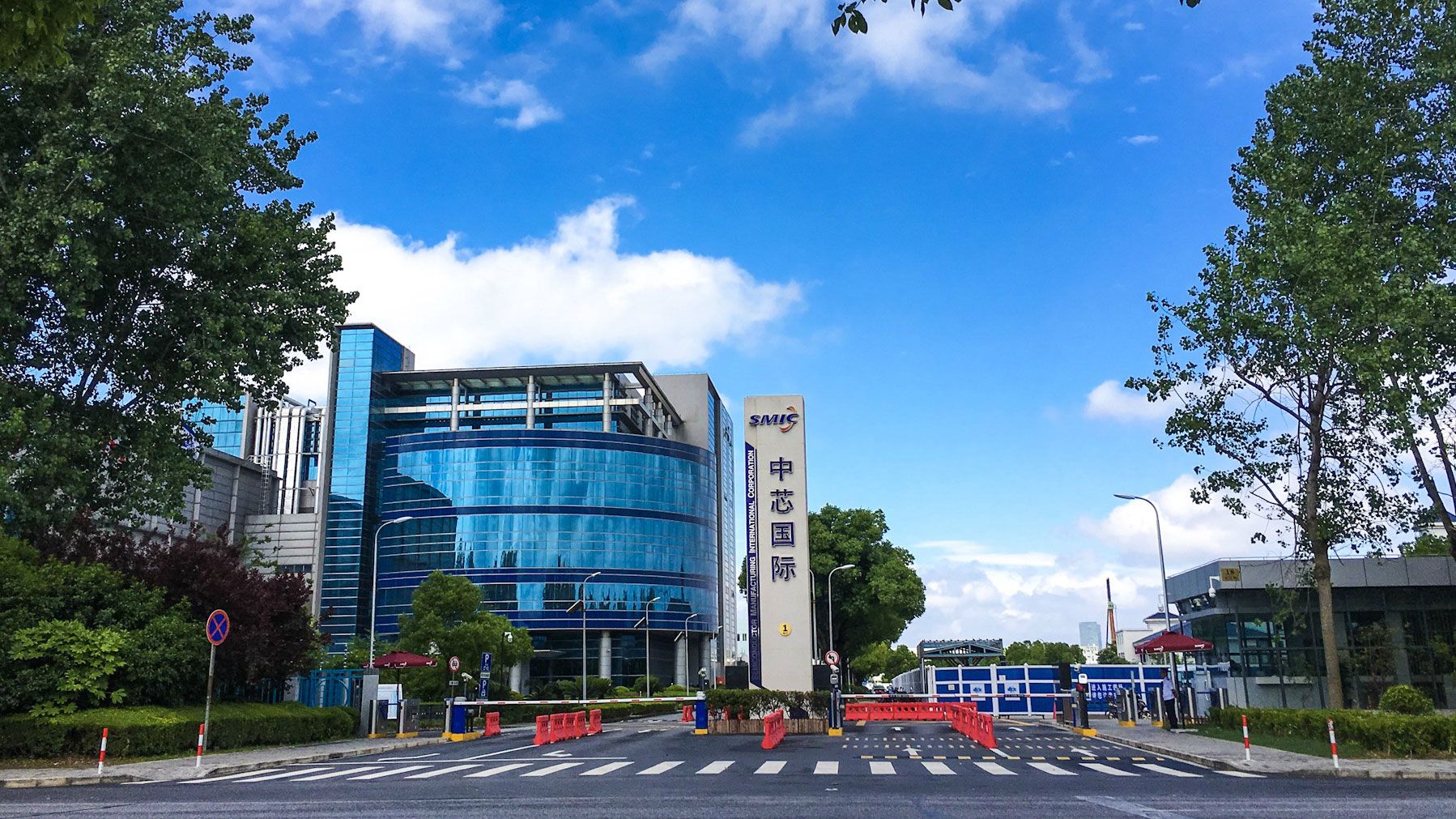
Despite significant investments and advancements, China's semiconductor industry remains a decade behind its global counterparts. The 'Made in China 2025' initiative has seen mixed results, raising questions about the future of the nation's tech ambitions.
Introduction
Over the past decade, China has poured hundreds of billions of dollars into its semiconductor industry, aiming to reduce its reliance on foreign technology and establish itself as a global leader in chip manufacturing. However, despite these efforts, the nation still finds itself lagging behind its international competitors, raising concerns about the effectiveness of its strategies and investments.
The 'Made in China 2025' Initiative
Launched in 2015, the 'Made in China 2025' initiative aimed to transform the country into a manufacturing powerhouse, with semiconductors identified as a critical sector for development. The plan outlined ambitious goals, including achieving self-sufficiency in chip production and boosting domestic firms to compete with established players like Intel and TSMC. However, the reality has proven to be more complex than anticipated.
Investment and Progress
China's government has invested heavily in its semiconductor industry, with estimates suggesting that over $300 billion has been allocated to various initiatives aimed at fostering innovation and production capabilities. This investment has led to the establishment of numerous semiconductor fabs and research facilities across the country, and some progress has been made in developing advanced manufacturing technologies.
Chinese companies such as SMIC (Semiconductor Manufacturing International Corporation) have made strides in producing chips, but they still face significant challenges. For instance, while SMIC has developed a 7nm process technology, it remains behind the cutting-edge 5nm and 3nm technologies that are currently being utilized by companies like TSMC and Samsung.
Technological Challenges
One of the primary obstacles hindering China's semiconductor ambitions is access to advanced manufacturing equipment and technology. Many of the critical tools needed for chip production are sourced from foreign suppliers, particularly from the United States and the Netherlands. Recent geopolitical tensions and export restrictions have further complicated matters, limiting China's ability to acquire the necessary technology to advance its semiconductor capabilities.
Additionally, the lack of a robust ecosystem for semiconductor design and manufacturing has stunted growth. While there are several domestic firms in the design space, many still rely on foreign technology and expertise, making it difficult for them to innovate independently.
Geopolitical Implications
The ongoing trade war between the U.S. and China has intensified scrutiny on China's semiconductor industry. The U.S. government has imposed sanctions on several Chinese tech companies, including Huawei, which has significantly impacted their ability to source chips and technology. As a result, China is now faced with the dual challenge of advancing its semiconductor capabilities while navigating a complex geopolitical landscape.
Future Outlook
Despite the setbacks, there is a sense of determination within China's semiconductor sector. The government continues to prioritize self-sufficiency in technology, and many industry experts believe that with sustained investment and strategic partnerships, China could eventually close the gap with its competitors. However, this will require not only financial resources but also a commitment to fostering innovation and collaboration within the domestic industry.
Conclusion
As China embarks on the next phase of its semiconductor journey, the lessons learned from the past decade will be crucial. While significant progress has been made, the road ahead remains fraught with challenges. The success of China's semiconductor ambitions will ultimately depend on its ability to navigate these obstacles and build a sustainable, self-reliant industry capable of competing on the global stage.