China's Semiconductor Ambitions: A Decade of Struggle and Progress
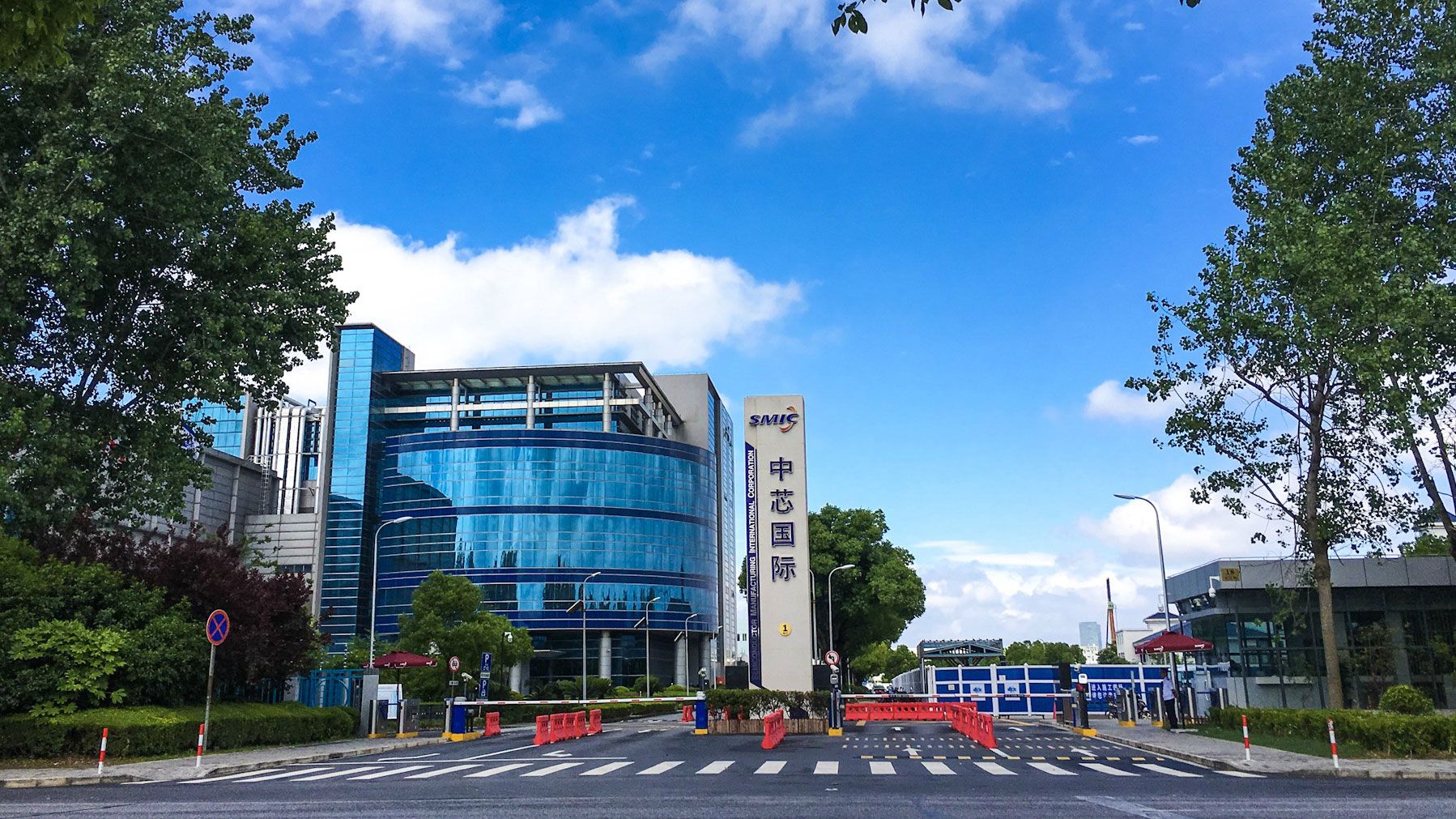
China's decade-long push to dominate the semiconductor industry has seen significant investments but remains hindered by technological gaps. Despite spending hundreds of billions, the nation is still trailing behind global leaders in this critical sector.
The State of China's Semiconductor Push
For over a decade, China has embarked on an ambitious journey to establish itself as a global leader in semiconductor manufacturing. The initiative, rooted in the original 'Made in China 2025' plan, aimed to reduce the country's reliance on foreign technology and foster homegrown innovation. However, despite the government's commitment and an investment of hundreds of billions of dollars, the nation finds itself still a decade behind its international counterparts.
Investment and Progress
Since the launch of 'Made in China 2025', the Chinese government has poured substantial resources into its semiconductor sector, with the aim of achieving self-sufficiency in chip production. Reports indicate that the state has invested over $150 billion into various initiatives, including the establishment of semiconductor manufacturing plants and research facilities. These efforts have yielded some progress, with China now producing a greater volume of chips than ever before. However, the quality and sophistication of these chips often fall short of global standards.
Technological Challenges
One of the primary hurdles facing China's semiconductor industry is the lack of access to advanced manufacturing technologies. The country remains dependent on foreign suppliers for critical equipment and software necessary for producing cutting-edge chips. Companies like ASML, a Dutch manufacturer of photolithography equipment, have restricted exports to China, citing national security concerns. This has left Chinese manufacturers struggling to keep pace with the rapid advancements made by industry leaders in the United States, South Korea, and Taiwan.
Global Competition
As China strives to bolster its semiconductor capabilities, it faces fierce competition from established players. Taiwan's TSMC and South Korea's Samsung are at the forefront of semiconductor technology, consistently pushing the boundaries of what is possible in chip design and manufacturing. These companies have invested heavily in research and development, enabling them to produce smaller, faster, and more efficient chips that power everything from smartphones to supercomputers.
Government Support and Industry Response
In response to these challenges, the Chinese government has ramped up its support for the semiconductor industry. Initiatives such as tax incentives, subsidies, and the establishment of state-backed funds have been implemented to encourage domestic companies to innovate and expand. Additionally, there is a growing emphasis on collaboration between academia and industry to foster talent and drive technological advancements.
Looking Ahead
Despite the obstacles, there is a sense of optimism within China's semiconductor sector. Industry experts believe that with continued investment and a focus on research and development, the country can eventually close the technological gap. The Chinese government has set ambitious targets, aiming for a significant increase in domestic chip production by 2025. However, achieving these goals will require overcoming substantial challenges, including the need for skilled labor and access to advanced technology.
Conclusion
China's decade-long semiconductor push has been marked by significant investments and some progress, yet the nation remains a considerable distance from achieving its goals. As the global semiconductor landscape continues to evolve, the competition is only expected to intensify. Whether China can navigate these challenges and establish itself as a leading player in the semiconductor industry remains to be seen, but the stakes are undeniably high.