China's Technological Advancements Narrowing Gap with the US
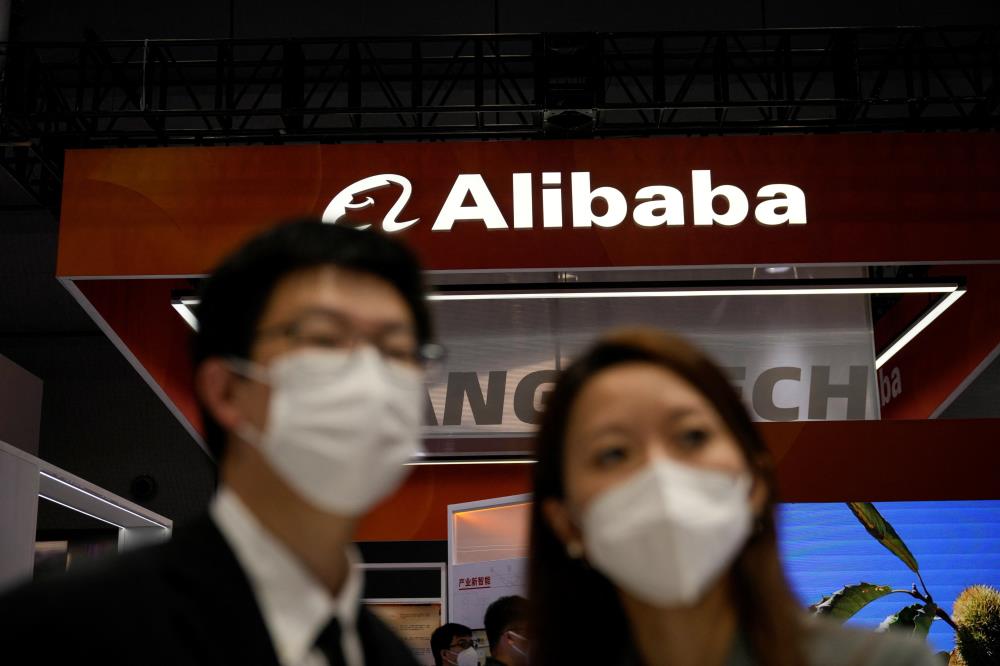
Recent developments indicate that China is rapidly closing the technological gap with the United States, despite facing significant constraints. This shift could have profound implications for global technology dynamics and economic competition.
Introduction
In a rapidly evolving global landscape, China is making significant strides in technology, increasingly narrowing the gap with the United States. Despite facing various constraints, such as trade restrictions and international scrutiny, China's commitment to innovation and development is reshaping the technological playing field.
China's Technological Growth
According to a recent report by iTnews, China's technological advancements are becoming more pronounced, particularly in sectors such as artificial intelligence (AI), telecommunications, and renewable energy. The Chinese government has heavily invested in research and development, aiming to bolster its domestic capabilities and reduce reliance on foreign technologies.
Government Initiatives
The Chinese government has implemented several initiatives to promote technological innovation. The "Made in China 2025" strategy is a prime example, focusing on upgrading the country's manufacturing capabilities and fostering high-tech industries. Additionally, the government has poured resources into its semiconductor industry, which is crucial for reducing dependency on U.S. technology.
Challenges and Constraints
Despite these advancements, China faces numerous challenges. International trade tensions, particularly with the United States, have led to sanctions and restrictions that hinder access to critical technologies. The U.S. government has imposed export controls on semiconductor technology, which are vital for China's tech ambitions. However, these constraints have also spurred domestic innovation as Chinese companies seek to develop alternatives.
Emerging Technologies
China's focus on emerging technologies like AI and 5G has positioned the country as a formidable player in the global tech arena. Chinese companies, such as Huawei and Alibaba, are at the forefront of these developments, pushing boundaries and setting new standards. The proliferation of 5G technology in China is expected to enhance connectivity and drive advancements in various sectors, from smart cities to autonomous vehicles.
Global Implications
The implications of China's technological ascent are profound. As China continues to innovate, the balance of power in the technology sector may shift, challenging the long-standing dominance of the United States. This shift could lead to increased competition in global markets, prompting both countries to accelerate their technological advancements.
International Reactions
Internationally, reactions to China's technological growth have been mixed. While some countries view China's advancements as a threat, others see opportunities for collaboration. The European Union, for instance, has expressed interest in cooperating with China on technology and innovation, recognizing the potential benefits of shared knowledge and resources.
Conclusion
As China continues to close the technological gap with the United States, the global landscape is poised for significant change. The interplay between innovation, government policy, and international relations will shape the future of technology and economic competition. The world is watching closely as China's technological journey unfolds, with implications that could redefine the global economy for years to come.