China-Sanctioned Japanese Lawmaker Declares Taiwan as 'Independent'
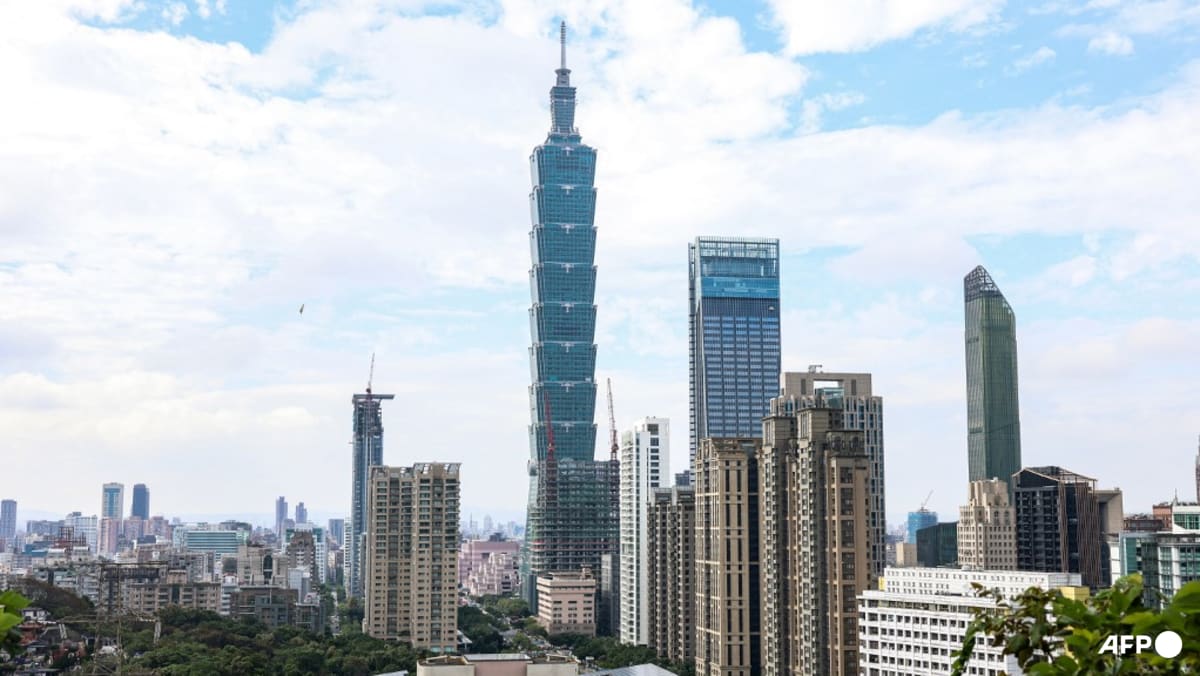
A Japanese lawmaker, sanctioned by China, has made a controversial statement declaring Taiwan as an independent nation. This remark has sparked significant reactions from Beijing and raised questions about Japan's stance on Taiwan's sovereignty.
China-Sanctioned Japanese Lawmaker Declares Taiwan as 'Independent'
A Japanese lawmaker, who has been sanctioned by the Chinese government, has ignited controversy by publicly declaring Taiwan as an independent nation. This statement comes amid rising tensions between China and Taiwan, as well as Japan's complex diplomatic relationship with Beijing.
The lawmaker, who is a member of Japan's ruling Liberal Democratic Party (LDP), made the remarks during a recent public speech. He emphasized that Taiwan's status should be recognized internationally, asserting that the island operates as a sovereign state with its own government and democratic institutions.
This declaration has drawn immediate ire from Beijing, which views Taiwan as a breakaway province that must be reunified with the mainland, by force if necessary. The Chinese government has a long-standing policy of opposing any form of Taiwanese independence and has implemented sanctions against individuals and entities that support Taiwan's sovereignty.
In response to the lawmaker's comments, a spokesperson for the Chinese Foreign Ministry condemned the remarks as a serious violation of the one-China principle. The spokesperson reiterated that Taiwan is an inseparable part of China and warned that any attempts to promote Taiwanese independence would be met with strong countermeasures.
Japan's government, while maintaining a cautious approach to the Taiwan issue, has historically supported Taiwan's participation in international organizations and has expressed concern over China's increasing military assertiveness in the region. However, Japan also relies heavily on China for trade and economic cooperation, making the situation delicate.
The lawmaker's statements have reignited discussions within Japan about the nation's foreign policy towards Taiwan and China. Some analysts suggest that Japan may be gradually shifting its stance, recognizing the strategic importance of Taiwan in the context of regional security and the rising threat posed by China.
Public opinion in Japan appears to be increasingly supportive of Taiwan, especially in light of China's aggressive actions in the South China Sea and its military posturing around Taiwan. Recent polls indicate that a significant portion of the Japanese population views Taiwan as a key ally in the face of China's expansionist policies.
Moreover, the lawmaker's comments have sparked a broader debate about Japan's role in the Indo-Pacific region. As tensions continue to escalate, there are calls for Japan to take a more proactive stance in supporting Taiwan and countering China's influence.
Experts warn that the situation could lead to a more pronounced rift between Japan and China, particularly if Tokyo continues to align itself with Taiwan's aspirations for international recognition. The geopolitical landscape in East Asia is shifting, and Japan's response to this incident may set the tone for future interactions between the three nations.
As the international community watches closely, the implications of this controversy extend beyond the immediate diplomatic fallout. It raises important questions about the future of Taiwan's sovereignty, Japan's foreign policy, and the broader balance of power in the region.
In conclusion, the remarks made by the China-sanctioned Japanese lawmaker have not only provoked a strong reaction from Beijing but have also highlighted the evolving dynamics of East Asian geopolitics. As Japan navigates its complex relationship with both Taiwan and China, the world will be watching to see how this situation unfolds.