China Tests Innovative Rocket Fuel Derived from Carbonated Beverage Gas
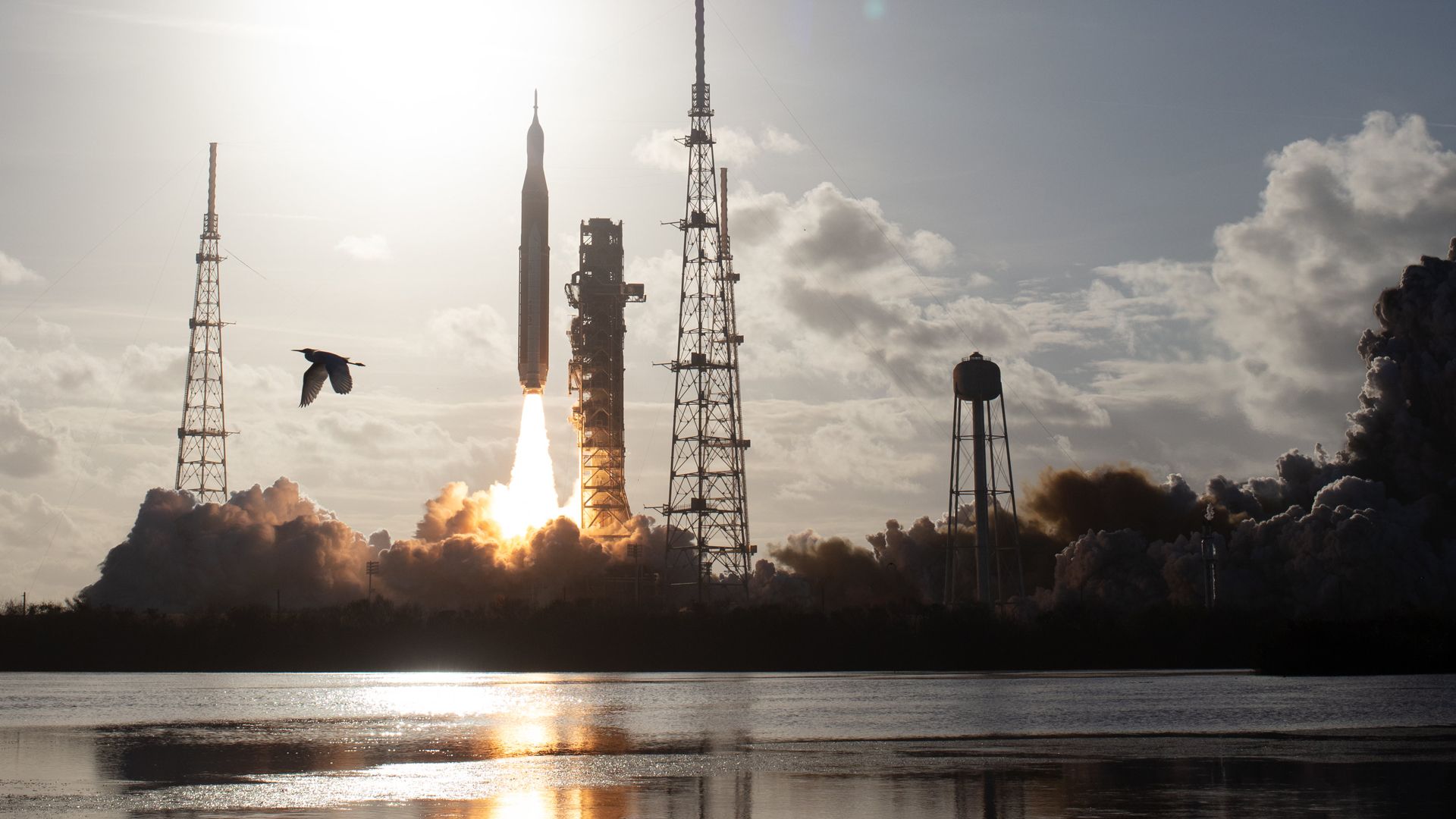
China has successfully tested a new rocket propulsion system utilizing carbon dioxide, the same gas used in Coca-Cola, marking a significant milestone in making space travel more affordable and environmentally friendly. This breakthrough could revolutionize the aerospace industry by reducing costs and enhancing safety in future space missions.
Introduction
In a groundbreaking development, Chinese scientists have successfully tested a new type of rocket propulsion system that utilizes carbon dioxide, the same gas found in carbonated beverages like Coca-Cola. This innovative approach aims to make space travel cheaper, safer, cleaner, and cooler, potentially transforming the aerospace industry and setting new standards for future missions.
Details of the Test
The test, conducted by the China Academy of Launch Vehicle Technology (CALT), marks a significant step forward in the quest for sustainable space exploration. By harnessing carbon dioxide, researchers have developed a propulsion system that not only reduces reliance on traditional rocket fuels but also minimizes environmental impact. This new technology is expected to pave the way for more frequent and cost-effective space missions, making space more accessible to various sectors, including commercial enterprises and scientific research.
Benefits of Carbon Dioxide Propulsion
The use of carbon dioxide as a propellant offers several advantages over conventional rocket fuels. Firstly, it is abundant and inexpensive, which could significantly lower the costs associated with launching spacecraft. Secondly, the carbon dioxide propulsion system is designed to be cleaner, reducing the harmful emissions typically associated with rocket launches. Lastly, the innovative cooling properties of the gas could enhance the safety of space missions by preventing overheating during ascent.
Implications for the Aerospace Industry
This development comes at a time when the global aerospace industry is under increasing pressure to adopt more sustainable practices. With the rise of commercial space travel and the growing number of satellites being launched into orbit, the need for environmentally friendly propulsion systems has never been more urgent. China's advancements in this area could position the country as a leader in sustainable space technology, potentially attracting international partnerships and investments.
Future Prospects
As China continues to invest in its space program, the implications of this new propulsion technology could extend beyond just cost savings. Experts believe that the successful implementation of carbon dioxide propulsion could lead to more ambitious space exploration missions, including manned missions to Mars and beyond. Furthermore, the technology could inspire other nations to explore similar avenues, fostering a global shift towards greener aerospace solutions.
Conclusion
China's successful test of a rocket propulsion system using carbon dioxide represents a significant leap forward in the pursuit of sustainable space travel. As the world becomes increasingly aware of the environmental impact of human activities, innovations like this one could play a crucial role in shaping the future of aerospace technology. With ongoing research and development, the dream of affordable and environmentally friendly space exploration may soon become a reality.