China Unveils 20-Gigawatt Microwave Weapon: A Game Changer in Modern Warfare
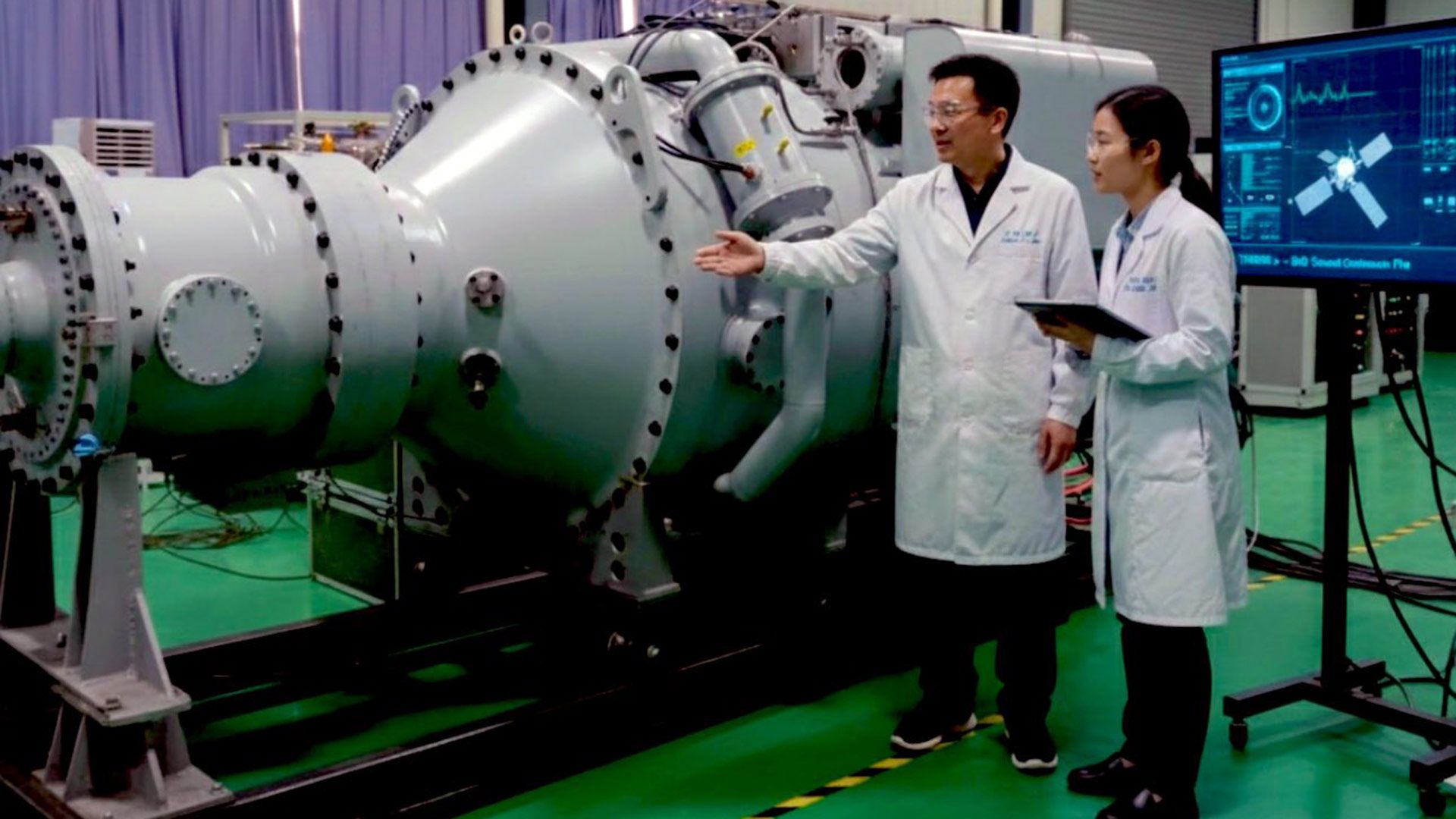
China has introduced a powerful 20-gigawatt microwave weapon, which is being described as a potential threat to satellite systems like Starlink. This portable device, weighing five tons, can deliver destructive bursts lasting a full minute, raising concerns over its implications for global security.
Introduction
In a significant development that could reshape the landscape of modern warfare, Chinese state media has reported the unveiling of a 20-gigawatt microwave weapon. This cutting-edge technology is being touted as a formidable challenge to satellite systems such as Starlink, which are integral to global communications and military operations.
The Microwave Weapon: Specifications and Capabilities
The newly developed microwave weapon is a portable device weighing approximately five tons. It is designed to emit concentrated bursts of microwave energy capable of incapacitating electronic systems over a considerable distance. According to reports, the weapon can deliver destructive bursts lasting up to a full minute, effectively disabling enemy communications, navigation, and surveillance systems.
Experts suggest that this technology could be particularly effective against satellite networks, which have become increasingly vital for both civilian and military applications. The ability to disrupt or destroy satellite communications could provide a strategic advantage in conflict scenarios, allowing for greater operational flexibility on the battlefield.
Strategic Implications
The introduction of such a weapon raises serious concerns regarding the balance of power in the region and beyond. As nations increasingly rely on satellite technology for various functions, including military operations, the potential for microwave weapons to disrupt these systems could lead to a new arms race in electronic warfare.
Military analysts warn that the deployment of this technology could escalate tensions, particularly in regions where territorial disputes are already fraught with conflict. The implications extend beyond military engagements; the ability to neutralize satellite communications could also impact civilian infrastructure, leading to widespread disruptions in services such as GPS navigation, telecommunications, and even financial transactions.
China's Military Modernization Efforts
This development is part of China's broader strategy to modernize its military capabilities. Over the past few years, China has invested heavily in advanced technologies, including artificial intelligence, cyber warfare, and now, directed-energy weapons. The microwave weapon aligns with the country's goal of enhancing its deterrence capabilities and asserting its influence on the global stage.
In recent years, Chinese military advancements have drawn scrutiny from the international community, particularly from the United States and its allies. The introduction of the microwave weapon could further complicate diplomatic relations, as nations reassess their defense strategies in light of emerging technologies.
Global Reactions
The announcement of the microwave weapon has sparked a mixed response from the international community. Some analysts view it as a legitimate advancement in military technology, while others express concern over the potential for misuse and the ethical implications of such weapons.
Countries with significant satellite infrastructure, such as the United States, Japan, and members of the European Union, are likely to increase their focus on countermeasures against microwave and other directed-energy weapons. This could lead to a renewed emphasis on developing technologies that enhance the resilience of satellite systems against such attacks.
Conclusion
As China continues to unveil advanced military technologies, the global community must grapple with the implications of these developments. The 20-gigawatt microwave weapon represents a significant leap in warfare capabilities, and its potential impact on international security dynamics cannot be understated. Moving forward, nations will need to navigate the complexities of this new era of warfare, balancing technological advancements with the need for stability and peace.