China Unveils New Policy to Alleviate Academic Pressure on Students
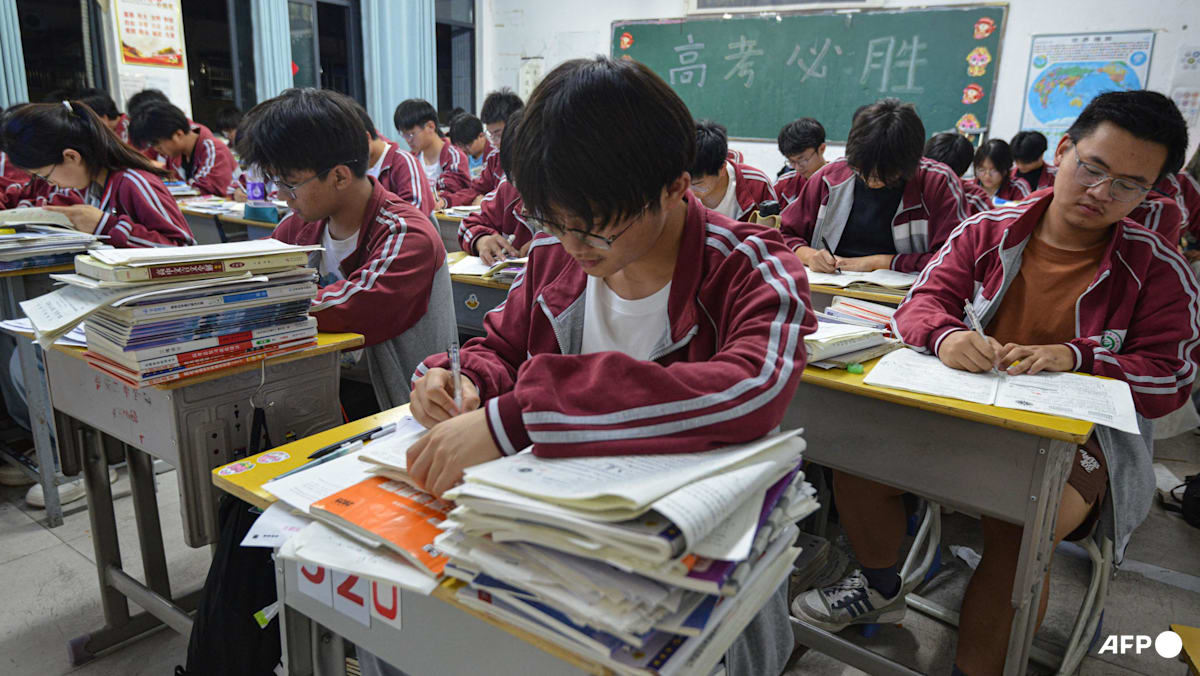
In a significant policy shift, China has announced measures aimed at reducing the academic burden on students. This initiative is part of a broader effort to foster a more balanced educational environment and promote mental well-being among young learners.
Introduction
In a landmark decision, the Chinese government has introduced a new policy designed to ease the academic pressure that has long been a source of stress for students across the country. This initiative comes amid growing concerns about the mental health of young learners and aims to create a more balanced educational environment.
Background of Academic Pressure in China
For years, Chinese students have faced immense academic pressure, often resulting in long hours of study and intense competition for limited spots in prestigious schools and universities. The rigorous education system, characterized by high-stakes exams and a heavy emphasis on rote memorization, has been criticized for its detrimental effects on students' mental health and overall well-being.
Key Features of the New Policy
The newly announced policy includes several key measures aimed at alleviating this pressure. One of the most significant changes is the reduction of homework assignments for primary and secondary school students. The government has mandated that schools limit the amount of homework to ensure that students have ample time for leisure and extracurricular activities.
Additionally, the policy encourages educational institutions to adopt a more holistic approach to student assessment. This shift means that schools will place less emphasis on exam scores and more on students' overall development, including their physical and mental health.
Promoting Mental Health and Well-Being
In conjunction with these changes, the government is also prioritizing mental health education in schools. Training programs for teachers will be implemented to help them recognize signs of stress and anxiety in students, allowing for timely intervention and support. Moreover, schools will be encouraged to incorporate mindfulness and relaxation techniques into their curricula.
Reactions from Parents and Educators
The announcement has been met with a mixture of relief and skepticism from parents and educators. Many parents have expressed their support for the policy, acknowledging the detrimental effects of excessive academic pressure on their children's mental health. One parent, Zhang Wei, stated, "I believe this is a step in the right direction. Our children deserve to enjoy their childhood without the constant stress of exams and homework."
However, some educators remain cautious about the implementation of these measures. They worry that reducing homework and exam pressures could lead to a decline in academic performance and competitiveness on a global scale. A high school teacher from Beijing remarked, "While I understand the need for change, I hope we can find a balance that maintains academic rigor while also supporting students' well-being."
Long-Term Implications
This policy shift is part of a broader trend in China, where the government has been increasingly focused on the mental health of its citizens, particularly the youth. As the nation grapples with rapid social and economic changes, the need for a more balanced approach to education has become increasingly apparent.
Experts believe that if successfully implemented, this policy could lead to a cultural shift in how education is perceived in China. By prioritizing mental health and well-being, the government hopes to cultivate a generation of students who are not only academically proficient but also emotionally resilient.
Conclusion
As China embarks on this ambitious journey to reform its educational landscape, the eyes of the world will be watching closely. The success of these measures will depend on the cooperation of schools, parents, and students alike, as they navigate the complexities of a changing educational environment.