Chinese AI Groups Surge Ahead in Video Generation Technology
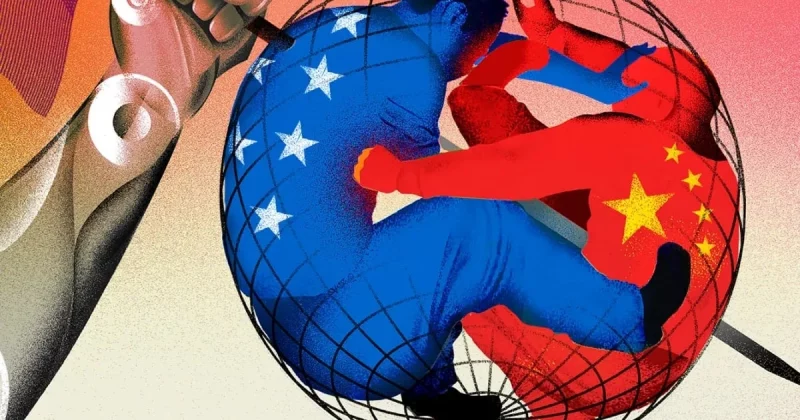
Chinese AI companies are rapidly advancing in the field of video generation, outpacing their American counterparts. This development signals a significant shift in the global AI landscape, with potential implications for various industries.
Introduction
In a remarkable turn of events, Chinese artificial intelligence (AI) groups have made significant strides in video generation technology, surpassing their American rivals. This advancement not only highlights the rapid growth of China's tech sector but also raises questions about the future of AI development and its global implications.
The Race for Video Generation
Video generation technology has become a focal point in the AI industry, with applications ranging from entertainment to education and beyond. Companies in China have been investing heavily in research and development, leading to innovative solutions that are gaining traction both domestically and internationally.
Recent reports indicate that Chinese firms are leveraging vast datasets and advanced algorithms to create realistic video content at unprecedented speeds. This capability is crucial in an era where visual content is king, and the demand for high-quality video is skyrocketing across various platforms.
Key Players in the Chinese AI Landscape
Among the frontrunners in this video generation race are companies like Baidu, Tencent, and Alibaba. These tech giants have established dedicated AI research teams that focus on enhancing video production capabilities through machine learning and neural networks.
Baidu, for instance, has developed a platform that can generate short videos from text descriptions, allowing users to create engaging content with minimal effort. Tencent, on the other hand, has integrated AI video generation into its social media applications, enabling users to produce personalized videos for sharing.
Comparative Analysis with US Rivals
While American companies like OpenAI and Google have also made significant advancements in AI, they appear to be lagging in the specific domain of video generation. The competitive edge of Chinese firms can be attributed to several factors, including government support, access to extensive data resources, and a rapidly growing domestic market.
Moreover, the Chinese government's emphasis on becoming a global leader in AI technology has resulted in substantial funding and resources directed towards AI research. This strategic focus has enabled Chinese companies to innovate at a pace that is difficult for their American counterparts to match.
Implications for the Global AI Landscape
The rise of Chinese AI groups in video generation technology could have far-reaching implications for the global AI landscape. As these companies continue to innovate, they may set new standards for video content creation, influencing trends and practices worldwide.
Furthermore, the growing capabilities of Chinese AI firms could lead to increased competition in the global market, prompting American companies to accelerate their own research and development efforts. This shift may also impact international collaborations and partnerships in the tech industry.
Challenges Ahead
Despite their advancements, Chinese AI groups are not without challenges. Concerns regarding data privacy, ethical considerations, and the potential for misuse of AI technology remain pressing issues. As these companies push the boundaries of what is possible with AI, they must navigate the complex landscape of regulations and public perception.
Conclusion
The rapid progress of Chinese AI groups in video generation technology marks a pivotal moment in the evolution of artificial intelligence. As they continue to push the envelope, the implications for industries, consumers, and global competition are profound. The world will be watching closely as these developments unfold, shaping the future of AI and its applications across various sectors.