Chinese Authorities Express Concerns Over Hong Kong Bank Access for Mainland Investors
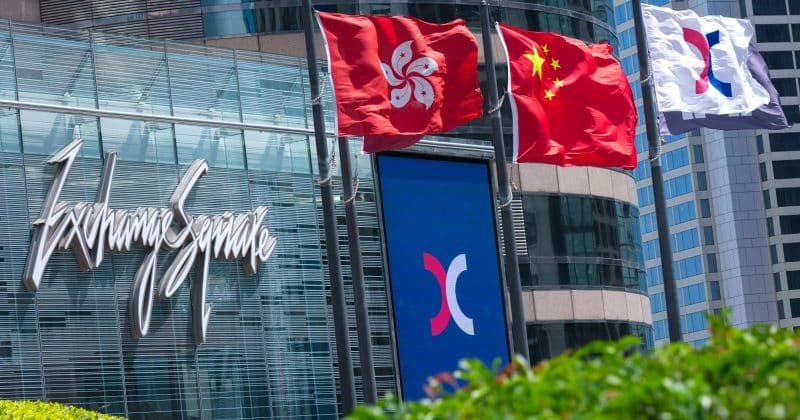
Chinese regulators are increasingly worried about the accessibility of Hong Kong banks for mainland investors, raising alarms over compliance and regulatory frameworks. This development could have significant implications for the financial relationship between Hong Kong and mainland China.
Introduction
In a significant development that could reshape the financial landscape between Hong Kong and mainland China, Chinese authorities have voiced concerns regarding the access of mainland investors to banking services in Hong Kong. This announcement comes amid ongoing discussions about the regulatory frameworks governing cross-border financial transactions and the implications for both regions' economies.
The Context of the Concerns
As Hong Kong continues to position itself as a global financial hub, the influx of mainland investors seeking opportunities in the city has been a focal point for economic growth. However, the Chinese government has raised alarms about the potential risks associated with this access. Authorities are particularly concerned about compliance with anti-money laundering (AML) and know-your-customer (KYC) regulations, which are critical in maintaining the integrity of the financial system.
Regulatory Frameworks Under Scrutiny
The Chinese authorities have pointed out that the existing regulatory frameworks may not be robust enough to handle the complexities of cross-border banking. As more mainland investors turn to Hong Kong for banking services, the potential for regulatory breaches increases, prompting a call for stricter oversight. This scrutiny reflects a broader trend of tightening financial regulations in China, aimed at combating illicit financial flows and ensuring the stability of the banking sector.
Implications for Hong Kong's Financial Sector
The concerns raised by Chinese regulators could have far-reaching implications for Hong Kong's financial sector. Banks in Hong Kong may face increased pressure to enhance their compliance measures, which could lead to higher operational costs. Moreover, if access for mainland investors becomes more restricted, it could dampen the flow of capital into Hong Kong, affecting the city's status as a financial powerhouse.
Reactions from Financial Institutions
Financial institutions in Hong Kong have responded cautiously to the news. Many are currently reviewing their compliance protocols to ensure they align with both local and Chinese regulations. Industry experts suggest that banks may need to invest in more sophisticated technologies to monitor transactions effectively and ensure compliance with the heightened scrutiny from regulators.
The Bigger Picture: Cross-Border Financial Relations
This situation highlights the delicate balance between Hong Kong and mainland China's financial ecosystems. While Hong Kong has long been viewed as a gateway for mainland investors, the increasing regulatory pressures may shift this dynamic. Analysts warn that if the relationship between the two regions becomes strained, it could lead to a reevaluation of investment strategies and financial partnerships.
Conclusion
As Chinese authorities continue to express concerns over the accessibility of Hong Kong banks for mainland investors, the financial community is left to navigate a complex landscape of regulatory expectations. The outcome of this scrutiny will not only impact the banking sector but also the broader economic relationship between Hong Kong and mainland China. Stakeholders in both regions will be closely monitoring developments as they unfold, with the potential for significant shifts in investment patterns and regulatory practices.