Chinese Company Seeks $1.5 Billion in Damages Over Panama Canal Port Ouster
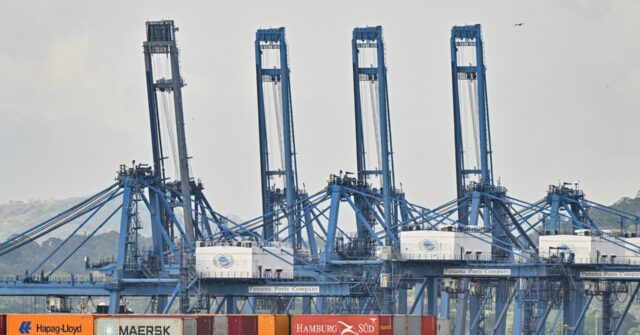
A Chinese company is pursuing $1.5 billion in damages following its ousting from a major port project in the Panama Canal. This legal battle highlights the growing tensions surrounding international investments and infrastructure projects.
Chinese Company Seeks $1.5 Billion in Damages Over Panama Canal Port Ouster
In a significant legal move, a Chinese company has filed a lawsuit seeking $1.5 billion in damages after being removed from a key port project in the Panama Canal. The case underscores the complexities and challenges of international investments, particularly in regions where geopolitical tensions are high.
The company, which has not been publicly named in the initial reports, was involved in the development and operation of a port facility that is crucial for shipping traffic through one of the world's most vital maritime routes. The Panama Canal, which connects the Atlantic and Pacific Oceans, is a strategic asset that facilitates global trade, and any disruptions to its operations can have far-reaching economic implications.
According to sources, the ousting of the Chinese firm came amid a broader push by the Panamanian government to reassert control over key infrastructure projects and reduce foreign influence, particularly from China. The decision to terminate the contract has raised eyebrows among international observers, who are concerned about the potential ramifications for foreign investments in the region.
The lawsuit filed in a Panamanian court claims that the company was wrongfully removed from the project without just cause, and it argues that the decision was politically motivated rather than based on any contractual violations. The company is seeking compensation for lost profits, investments made in the project, and damages for reputational harm.
This legal battle comes at a time when China is actively investing in infrastructure projects across Latin America, often as part of its Belt and Road Initiative. However, these investments have sometimes been met with resistance from local governments, particularly when concerns arise about sovereignty and control over national assets.
Experts suggest that the outcome of this lawsuit could set a precedent for how foreign companies engage with infrastructure projects in Panama and potentially other countries in the region. If the Chinese firm is successful in its claims, it could encourage other foreign investors to challenge similar oustings and seek redress through legal channels.
The Panamanian government has yet to publicly respond to the lawsuit, but officials have previously stated that they are committed to ensuring that all contracts are executed in the best interest of the country. This stance reflects a growing trend among Latin American nations to reassess their relationships with foreign investors and prioritize national interests.
As the situation unfolds, it will be crucial for both the Chinese company and the Panamanian government to navigate the complexities of international law and diplomacy. The outcome of this case could have significant implications not only for the future of foreign investments in Panama but also for the broader geopolitical landscape in Latin America.
In conclusion, the $1.5 billion lawsuit filed by the Chinese company highlights the intricate balance between foreign investment and national sovereignty. As the world watches closely, the developments in this case will likely influence future partnerships and investment strategies in the region.