Chinese Human Rights Cases in Limbo After Trump-Xi Summit
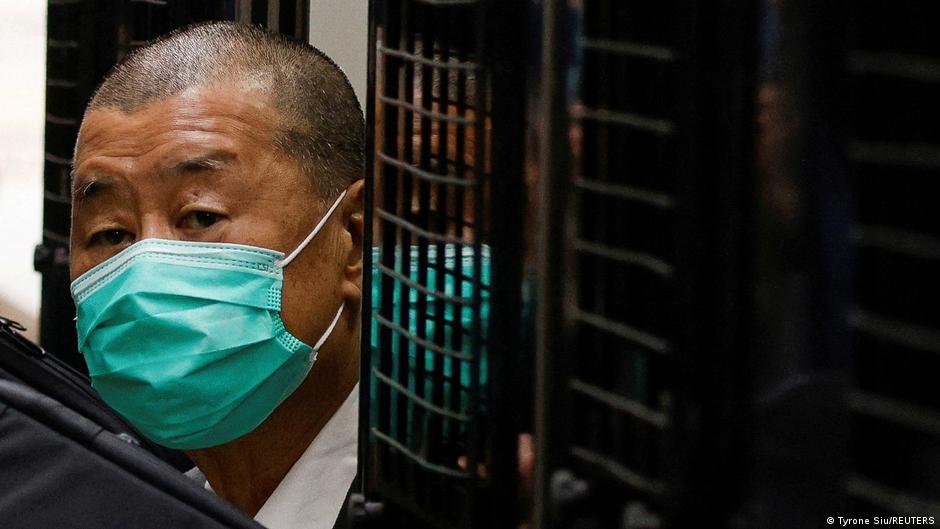
The recent summit between President Trump and President Xi Jinping has left numerous human rights cases in China unresolved. Activists express concern over the implications for human rights advocacy in the region.
Introduction
The recent summit between U.S. President Donald Trump and Chinese President Xi Jinping has raised significant concerns regarding the status of human rights cases in China. While both leaders focused on trade and economic cooperation, many activists worry that critical human rights issues were sidelined, leaving numerous cases in limbo.
Background on the Summit
Held in the backdrop of escalating trade tensions, the Trump-Xi summit aimed to foster dialogue and strengthen bilateral relations. However, human rights advocates had hoped that the meeting would also address the ongoing repression in China, including the treatment of ethnic minorities, political dissidents, and activists. Instead, the discussions largely revolved around economic interests, with little attention paid to human rights violations.
Human Rights Cases in Limbo
Many high-profile human rights cases remain unresolved following the summit. Among them are the cases of detained activists, lawyers, and journalists who have faced persecution for their dissenting views. The Chinese government has been criticized for its harsh crackdown on freedom of expression, particularly in the wake of the 2019 protests in Hong Kong and the ongoing repression in Xinjiang.
Activists have expressed dismay that the international community, particularly the United States, has not taken a stronger stance against these violations. The lack of concrete action following the summit has left many feeling disillusioned and concerned about the future of human rights advocacy in China.
International Response
International organizations, including Human Rights Watch and Amnesty International, have called on the U.S. government to prioritize human rights in its dealings with China. They argue that economic interests should not overshadow the need to address fundamental freedoms and the rule of law. The silence on these issues during the summit has been interpreted as a tacit acceptance of China's repressive policies.
Furthermore, the lack of accountability for human rights abuses raises questions about the effectiveness of diplomatic engagement with China. Critics argue that without a commitment to addressing these issues, the situation for human rights in China is unlikely to improve.
The Role of Activists
Human rights activists within China and abroad continue to push for greater awareness and action regarding human rights violations. Many have taken to social media and other platforms to raise awareness about the plight of those imprisoned for their beliefs. However, the Chinese government's stringent censorship laws pose significant challenges to their efforts.
Activists are also concerned about the chilling effect that the summit's outcome may have on their work. With the international community seemingly less willing to confront China on human rights, there is a fear that dissent will be further stifled, and activists will face increased risks of persecution.
Conclusion
The Trump-Xi summit has left many human rights cases in China unresolved, raising serious concerns about the future of human rights advocacy in the region. As the international community grapples with its approach to China, it is crucial that human rights remain at the forefront of diplomatic discussions. The fate of countless individuals hangs in the balance, and the need for accountability and justice has never been more urgent.