City University of Hong Kong Develops Innovative Radiative-Cooling Ceramic Tile
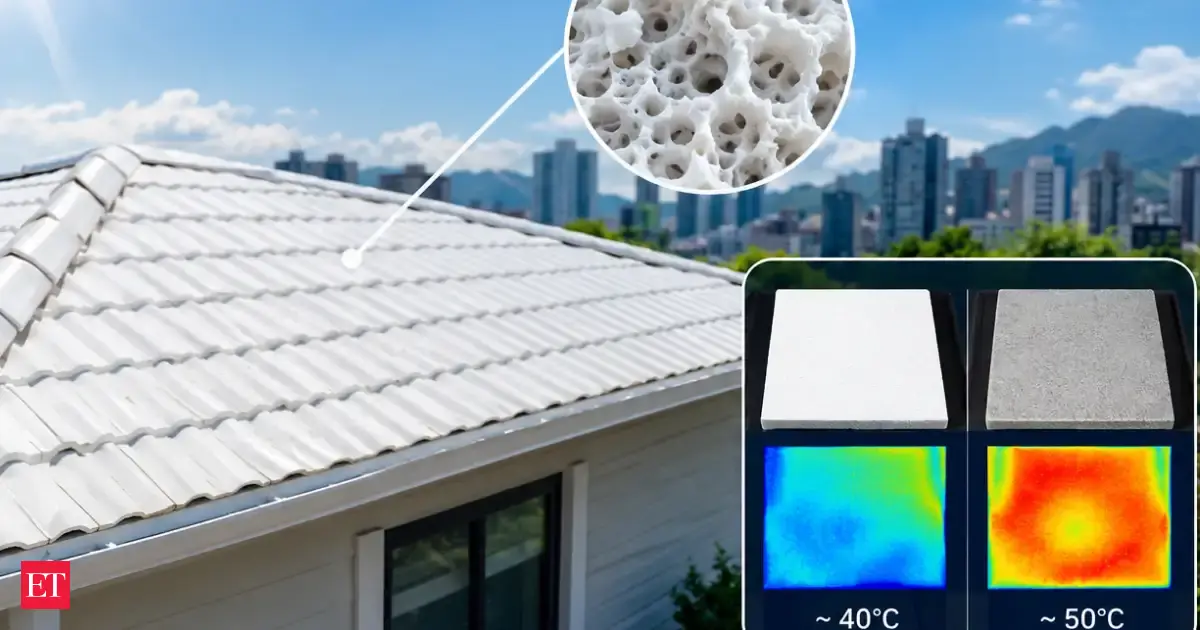
City University of Hong Kong has unveiled a groundbreaking ceramic tile that reflects 99.6% of sunlight, promising to significantly reduce urban heat. Field tests indicate that these tiles can maintain a temperature 5°C cooler than standard tiles, offering a potential solution to rising urban temperatures.
Introduction
In a remarkable advancement for urban sustainability, researchers at the City University of Hong Kong (CityU) have developed a radiative-cooling ceramic tile that reflects an impressive 99.6% of sunlight. This innovative product not only promises to enhance the aesthetic appeal of buildings but also aims to combat the urban heat island effect that plagues many cities, including Hong Kong.
The Science Behind the Tile
The radiative-cooling ceramic tile utilizes advanced materials designed to maximize sunlight reflection while minimizing heat absorption. Unlike traditional roofing materials, which can absorb and retain heat, these tiles are engineered to keep surfaces significantly cooler. Field tests conducted by the research team have demonstrated that the new tiles can maintain a temperature approximately 5°C lower than standard ceramic tiles, even under direct sunlight.
Field Testing and Results
The research team undertook extensive field tests to validate the performance of the tiles in real-world conditions. The results were promising, showing that the tiles not only reflect sunlight effectively but also contribute to lower ambient temperatures in urban environments. This cooling effect can lead to reduced energy consumption for air conditioning in buildings, ultimately lowering electricity bills and greenhouse gas emissions.
Addressing Urban Heat Challenges
Hong Kong, known for its dense urban landscape and limited green spaces, faces significant challenges related to rising temperatures. The urban heat island effect exacerbates the situation, leading to increased energy demand and health risks for residents. By incorporating these innovative ceramic tiles into building designs, architects and urban planners can create cooler, more sustainable environments that enhance the quality of life for inhabitants.
Potential Applications
The applications for these radiative-cooling tiles extend beyond residential buildings. They can be utilized in commercial properties, public infrastructure, and even outdoor spaces such as parks and walkways. The versatility of the tiles makes them an attractive option for various sectors looking to adopt sustainable practices and reduce their carbon footprint.
Future Prospects
As the world grapples with climate change and escalating temperatures, innovations like the radiative-cooling ceramic tile represent a beacon of hope. The CityU research team is optimistic about the potential for widespread adoption of their product, not only in Hong Kong but also in other cities facing similar heat challenges. Future studies will focus on enhancing the tile's properties and exploring additional applications in urban design.
Conclusion
The development of the radiative-cooling ceramic tile by City University of Hong Kong marks a significant step towards creating cooler, more sustainable urban environments. With the potential to reduce energy consumption and mitigate the urban heat island effect, this innovation could play a crucial role in shaping the future of urban living in Hong Kong and beyond.