Continued Erosion of Freedoms in Hong Kong: A Year After the National Security Law
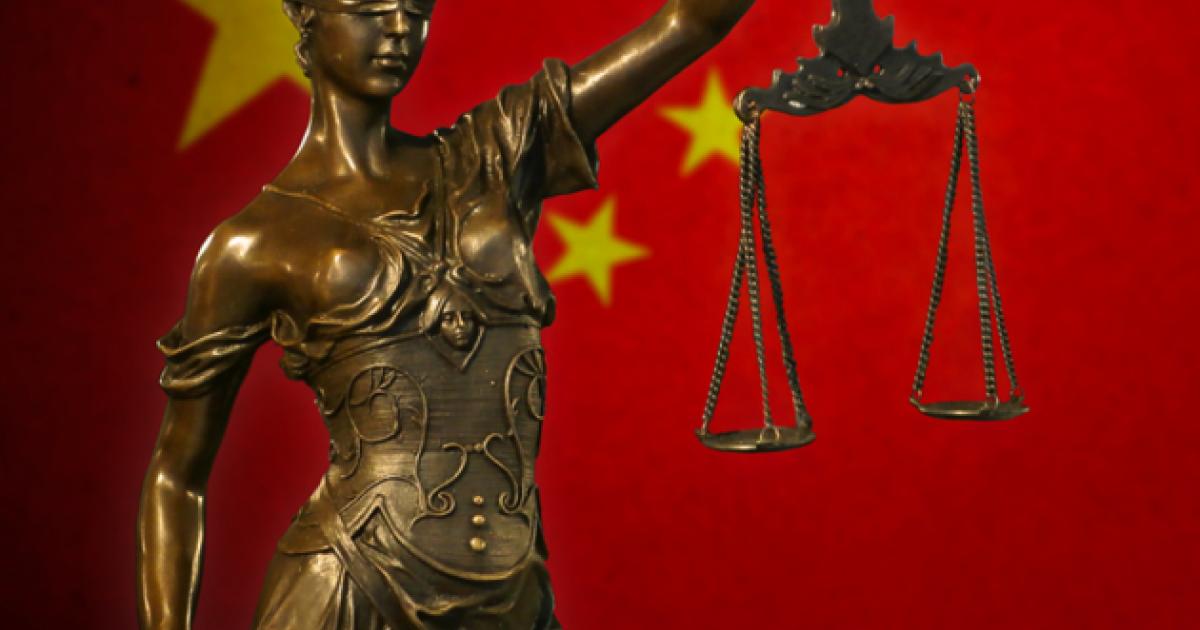
As the first anniversary of the National Security Law approaches, Hong Kong faces a stark reality of reduced freedoms and increased censorship. This report delves into the implications of the law on civil liberties and the ongoing struggle for human rights in the region.
Introduction
As the first anniversary of the National Security Law (NSL) approaches, Hong Kong finds itself at a critical juncture in its history. The sweeping legislation, enacted by Beijing, has fundamentally altered the landscape of civil liberties and political expression, leading to widespread concerns about the future of human rights in the region.
The National Security Law: An Overview
Implemented on June 30, 2020, the NSL was introduced ostensibly to restore stability following the pro-democracy protests of 2019. However, critics argue that it serves as a tool for the Chinese government to quash dissent and suppress freedoms that were once guaranteed under the "one country, two systems" framework. The law criminalizes acts of secession, subversion, terrorism, and collusion with foreign forces, with penalties that can reach life imprisonment.
Impact on Civil Liberties
The NSL has had devastating effects on civil society in Hong Kong. Prominent pro-democracy activists have been arrested, including media tycoon Jimmy Lai and numerous members of the Hong Kong Alliance, an organization that commemorated the Tiananmen Square massacre. The chilling effect of the law has led to a significant decline in public protests, with many activists fleeing abroad or going into hiding.
Censorship and Media Control
Media freedom has also been severely compromised. The Hong Kong Journalists Association reported a marked increase in self-censorship among journalists, who fear repercussions for covering sensitive topics. The closure of the pro-democracy newspaper Apple Daily in June 2021 exemplified the extent of repression, as authorities arrested its executives and froze its assets. The once-vibrant media landscape is now dominated by outlets that adhere to Beijing's narrative.
International Response
The international community has expressed outrage over the erosion of freedoms in Hong Kong. The United States, European Union, and various human rights organizations have condemned the NSL, calling for accountability and the restoration of civil liberties. Sanctions have been imposed on Hong Kong and Chinese officials deemed responsible for undermining the region's autonomy.
Voices of Resistance
Despite the oppressive environment, voices of resistance continue to emerge. Activists and ordinary citizens alike are finding innovative ways to express dissent, from art and literature to digital platforms. The Hong Kong Alliance, though dismantled, has inspired new movements advocating for democracy and human rights. The resilience of the people remains a beacon of hope amidst the darkness.
Conclusion
As Hong Kong marks a year under the National Security Law, the implications for human rights and freedoms remain dire. The struggle for democracy and autonomy is far from over, and the international community must continue to support the people of Hong Kong in their fight for justice and dignity. The future of this vibrant city hangs in the balance, as its citizens navigate the complexities of repression and resilience.