Currencies Remain Steady as Investors Anticipate Trump's Iran Address
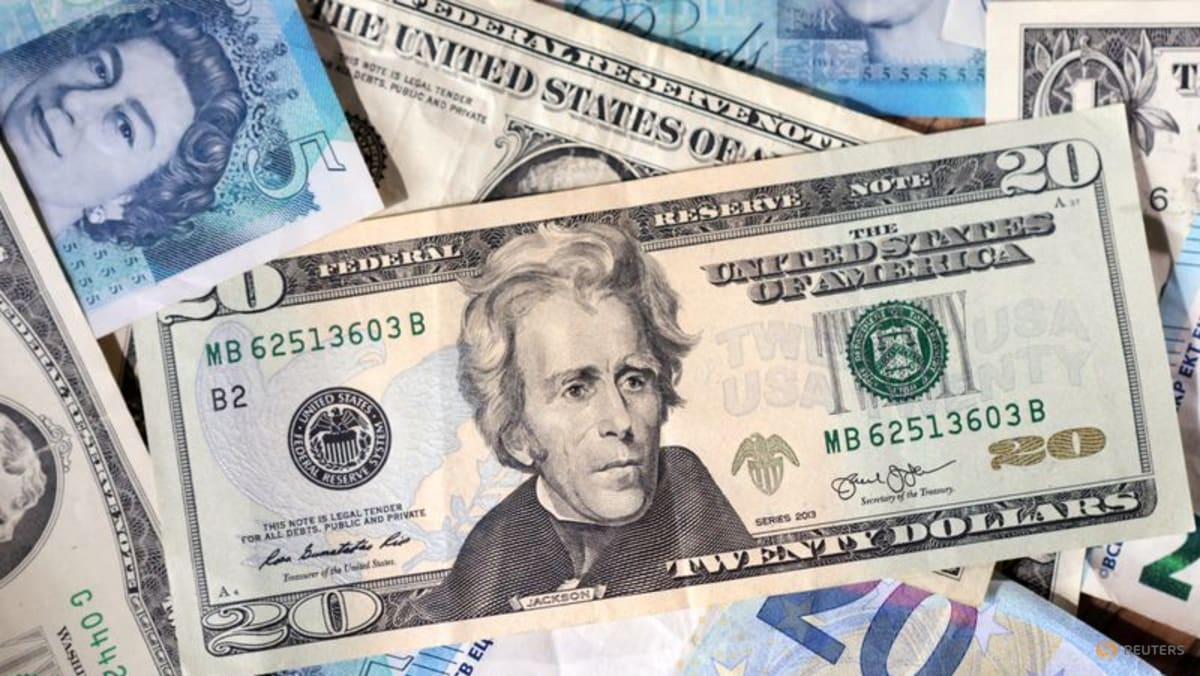
As investors prepare for President Trump's upcoming address regarding Iran, global currencies are showing little movement. Market participants are keenly awaiting potential shifts in U.S. foreign policy that could impact economic stability.
Global Currency Markets Hold Steady
In a week marked by geopolitical tensions and economic uncertainty, global currencies have largely remained stable as investors brace for President Donald Trump's highly anticipated address regarding Iran. The speech, set to take place later this week, is expected to outline the U.S. administration's stance on Iran's nuclear program and could have far-reaching implications for international relations and market dynamics.
Investor Sentiment and Market Reactions
As the date of the address approaches, traders are exercising caution. The U.S. dollar has shown minimal fluctuations against major currencies, including the euro and the Japanese yen. Analysts suggest that this stability reflects a wait-and-see approach among investors, who are keen to gauge the potential impact of Trump's remarks on the geopolitical landscape.
"The market is in a holding pattern right now," said financial analyst Jane Doe. "Investors are looking for any signs of a shift in U.S. policy that could affect oil prices and, by extension, global economic stability." With Iran being a key player in the oil market, any changes in U.S. sanctions or military posture could lead to significant price movements.
Geopolitical Tensions and Economic Implications
The backdrop to this address is fraught with tension. Iran's nuclear ambitions have long been a point of contention for the U.S. and its allies, and recent developments have reignited fears of conflict in the region. The Trump administration's previous withdrawal from the Iran nuclear deal has left many wondering how the U.S. will navigate its relationship with Tehran going forward.
Market analysts are particularly focused on the potential for new sanctions or military actions. Such measures could disrupt oil supplies, leading to price spikes that would reverberate through global markets. In this context, the address is not just a political event; it is a critical moment for investors who are trying to forecast the economic implications of U.S. foreign policy.
Currency Performance Ahead of the Address
As of now, the euro is trading at approximately $1.18, while the Japanese yen remains stable at around 110 yen to the dollar. The British pound has also shown resilience, trading at $1.37, reflecting a broader sense of stability in the face of uncertainty.
However, some analysts warn that any unexpected comments from Trump could lead to sharp movements in currency values. "The markets are sensitive to news from the White House," said market strategist John Smith. "A strong or aggressive stance toward Iran could lead to a stronger dollar, while a more conciliatory approach might weaken it."
Looking Ahead: The Broader Economic Context
The upcoming address is not only pivotal for the immediate currency markets but also for the broader economic context. Investors are already grappling with challenges such as rising inflation and supply chain disruptions, factors that could be exacerbated by geopolitical tensions.
Moreover, the Federal Reserve's monetary policy decisions in the coming months will also play a crucial role in shaping market dynamics. As the central bank navigates the delicate balance between supporting economic recovery and controlling inflation, the implications of Trump's address on Iran could add another layer of complexity.
Conclusion
As the world awaits President Trump's address on Iran, the currency markets remain in a state of cautious anticipation. Investors are keenly aware that the geopolitical landscape can shift rapidly, and the implications of U.S. foreign policy decisions will be felt far beyond the immediate region. In this environment of uncertainty, the upcoming speech is poised to be a significant event for markets worldwide.