Decline in Chinese Military Flights Around Taiwan Sparks Speculation
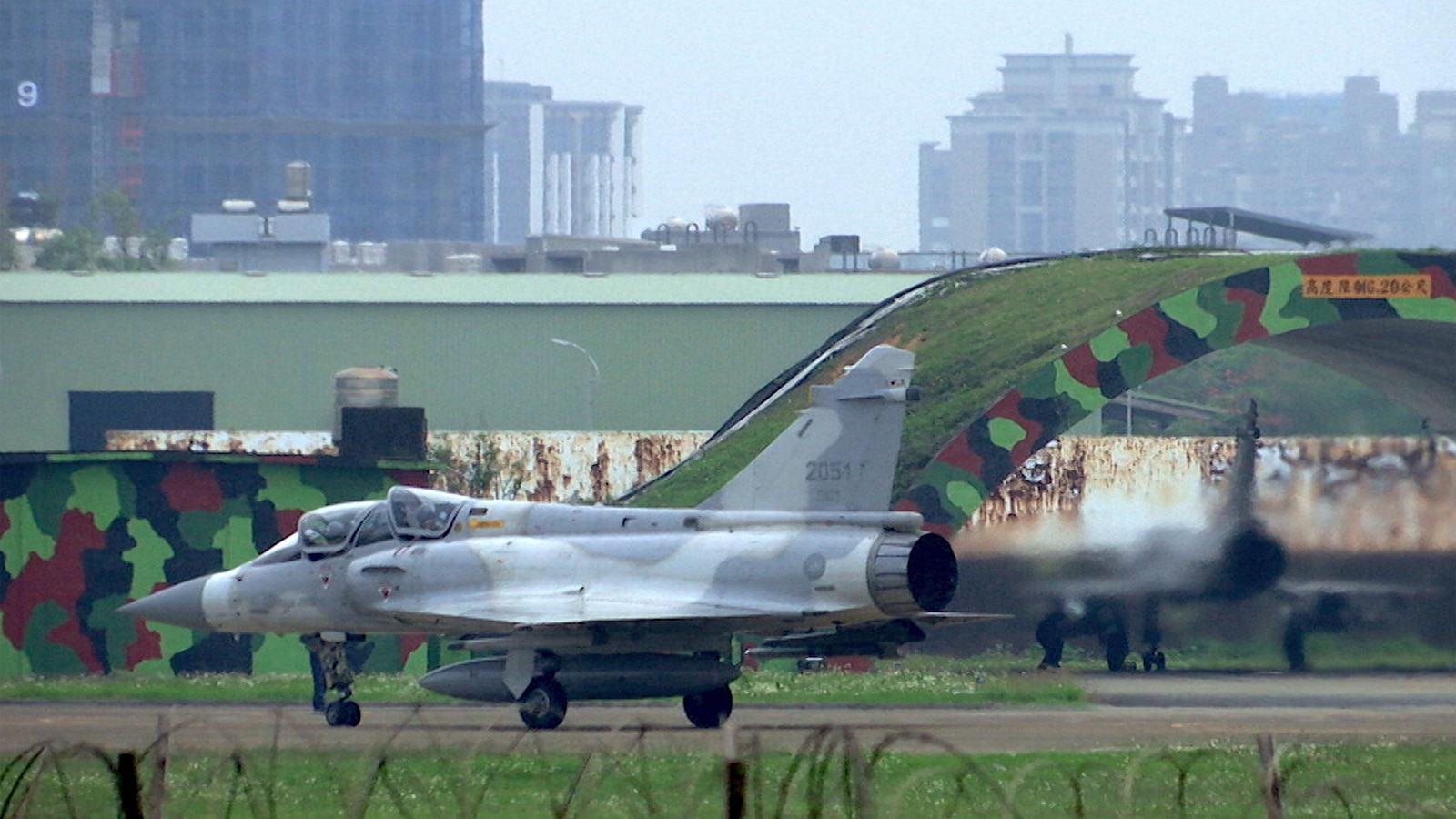
Recent data indicates a significant reduction in Chinese military flights around Taiwan, raising questions about the future of cross-strait relations. Analysts suggest various factors may be influencing this shift, including diplomatic negotiations and military strategy adjustments.
Introduction
In a notable shift in military activity, recent reports indicate a significant decline in the number of Chinese military flights around Taiwan. This reduction has raised eyebrows among analysts and policymakers, prompting discussions about its implications for cross-strait relations and regional stability.
Current Situation
According to data compiled by various defense analysts, the frequency of Chinese military aircraft entering Taiwan's air defense identification zone (ADIZ) has dropped markedly in recent weeks. This decline follows a period of heightened military activity, which saw record numbers of incursions into Taiwan's airspace.
Potential Reasons for the Decline
Several factors may be contributing to this falloff in military flights. Firstly, analysts suggest that the Chinese government may be recalibrating its military strategy in response to international pressures and diplomatic efforts aimed at stabilizing cross-strait relations. The recent engagement between Taiwan and the United States, including arms sales and high-level visits, may have prompted Beijing to adopt a more measured approach.
Additionally, some experts speculate that internal factors within China, such as economic challenges and public sentiment, could be influencing the government's military posture. The Chinese Communist Party (CCP) may be wary of escalating tensions that could provoke international backlash or domestic unrest.
International Reactions
The reduction in military flights has not gone unnoticed internationally. Taiwan's government has welcomed the decrease, viewing it as a positive development that could pave the way for more constructive dialogue with Beijing. However, Taiwan remains vigilant, emphasizing the need for continued military readiness in light of China's unpredictable behavior.
On the international stage, the United States has expressed cautious optimism regarding the decline in military flights. U.S. officials have indicated that they will continue to support Taiwan's defense capabilities while encouraging both sides to engage in meaningful dialogue to resolve their differences peacefully.
Implications for Cross-Strait Relations
The decline in Chinese military flights could have significant implications for the future of cross-strait relations. If the trend continues, it may signal a willingness on China's part to engage in diplomacy rather than aggression. However, skepticism remains, as many analysts caution against reading too much into short-term fluctuations in military activity.
Moreover, the geopolitical landscape in the Asia-Pacific region is complex, with various players, including the U.S., Japan, and Australia, closely monitoring developments. Any perceived easing of tensions could encourage further diplomatic efforts, but it could also embolden China to pursue more assertive policies in other areas, such as the South China Sea.
Conclusion
As the situation evolves, the international community will be watching closely to see how both Taiwan and China navigate this delicate period. The decline in military flights around Taiwan may represent a moment of opportunity for dialogue, but it also underscores the fragility of peace in a region marked by historical tensions and competing interests. The coming weeks and months will be crucial in determining whether this trend indicates a genuine shift in Chinese policy or merely a temporary pause in military provocations.