Decrease in Chinese Military Flights Signals Possible Shift in Taiwan Relations
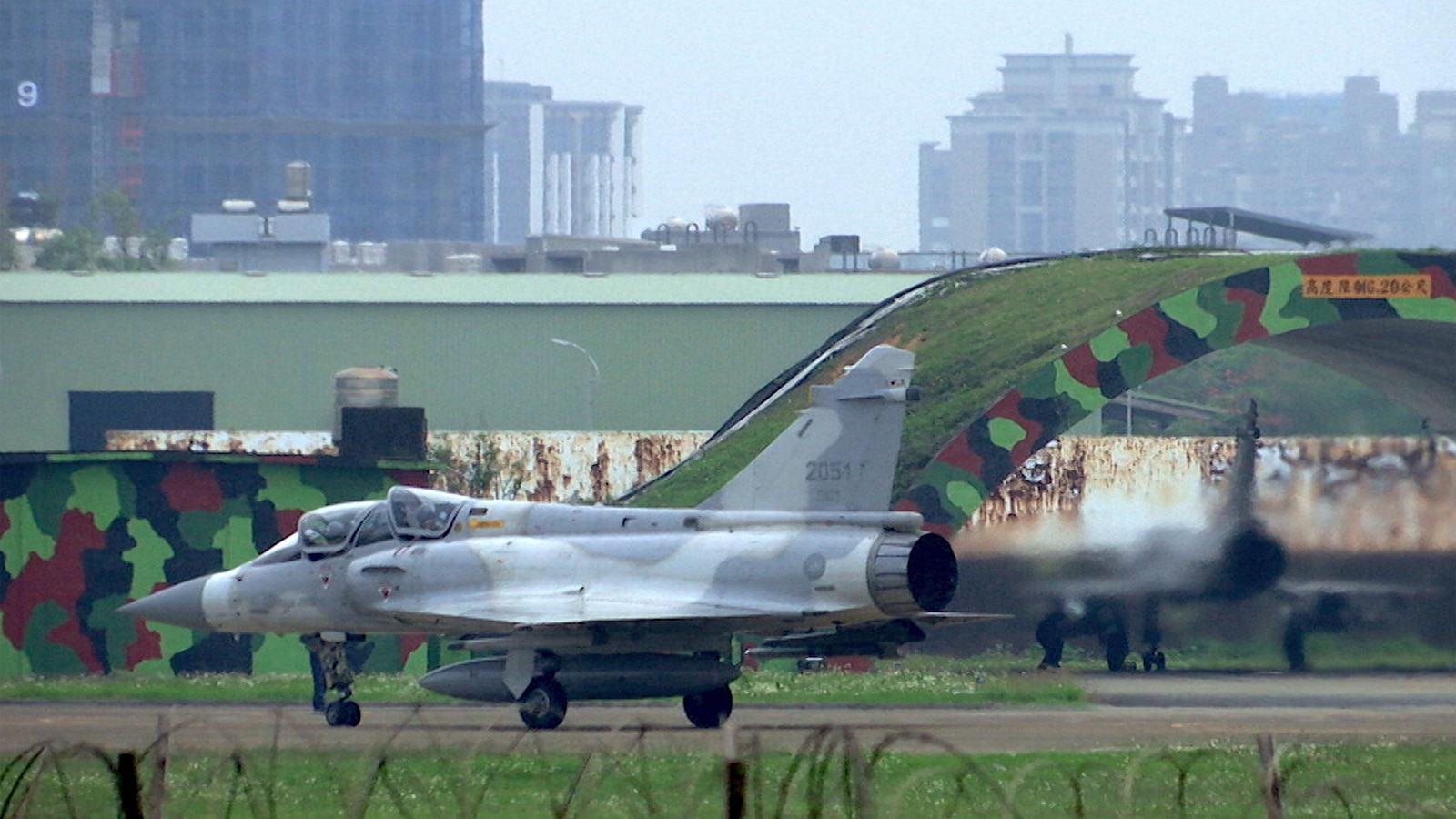
Recent data indicates a significant decline in Chinese military flights around Taiwan, raising questions about Beijing's strategic intentions. Analysts suggest this falloff could reflect a recalibration in China's approach to Taiwan amidst rising tensions.
Introduction
In a notable development concerning cross-strait relations, recent reports indicate a significant decrease in the frequency of Chinese military flights around Taiwan. This decline has sparked discussions among analysts regarding its implications for Taiwan's security and the broader geopolitical landscape in East Asia.
Background of Chinese Military Activity
For years, Taiwan has been subjected to a steady increase in military provocations from China, which views the self-governing island as a breakaway province. Chinese military aircraft routinely entered Taiwan's air defense identification zone (ADIZ), prompting heightened tensions and military readiness on both sides. However, recent data suggests a marked reduction in these incursions, leading to speculation about a potential shift in China's military strategy.
Statistics on Military Flights
According to the latest figures, Chinese military flights around Taiwan have decreased by approximately 50% over the past month. This drop is particularly notable considering the record-high incursions recorded in previous years, where daily flights frequently numbered in the dozens. Analysts point to this reduction as a significant change in operational tempo, suggesting that it may reflect a broader reassessment of military strategy by Beijing.
Possible Reasons for the Decline
Several factors may contribute to this decrease in military activity. Firstly, the ongoing geopolitical climate, marked by heightened tensions between the United States and China, may have prompted Beijing to adopt a more cautious approach. With the U.S. increasing its military presence in the region and reaffirming its commitment to Taiwan, China may be recalibrating its military posturing to avoid further escalation.
Additionally, internal factors within China could be influencing this shift. The Chinese Communist Party (CCP) is facing numerous challenges, including economic pressures and domestic unrest. As the CCP seeks to maintain stability at home, it may be less inclined to engage in provocative military actions that could provoke international backlash.
Implications for Taiwan
The reduction in military flights has been met with cautious optimism in Taiwan. Taiwanese officials have expressed hope that this trend could lead to improved cross-strait relations and a reduction in tensions. However, they remain vigilant, recognizing that any decrease in military activity does not necessarily equate to a long-term change in China's stance toward Taiwan.
Experts warn that while the current decline is significant, it is essential for Taiwan to remain prepared for any sudden shifts in Chinese military strategy. The Taiwanese military has been actively modernizing its capabilities, and continued vigilance is crucial to ensuring national security.
International Reactions
The international community is closely monitoring this situation, particularly the United States, which has a vested interest in maintaining stability in the Taiwan Strait. U.S. officials have reiterated their commitment to supporting Taiwan's defense, and any significant changes in Chinese military activity will likely influence U.S. policy in the region.
Moreover, regional allies such as Japan and Australia are also paying attention to these developments, as they could impact their own security strategies in the face of an assertive China.
Conclusion
The recent decrease in Chinese military flights around Taiwan marks a significant moment in cross-strait relations, raising questions about the future of Taiwan's security and China's strategic intentions. While this trend may provide a temporary respite from military provocations, both Taiwan and the international community must remain vigilant and prepared for the complexities of the evolving geopolitical landscape.