Deutsche Bank Declares China the Energy Winner in the Age of Global Conflict
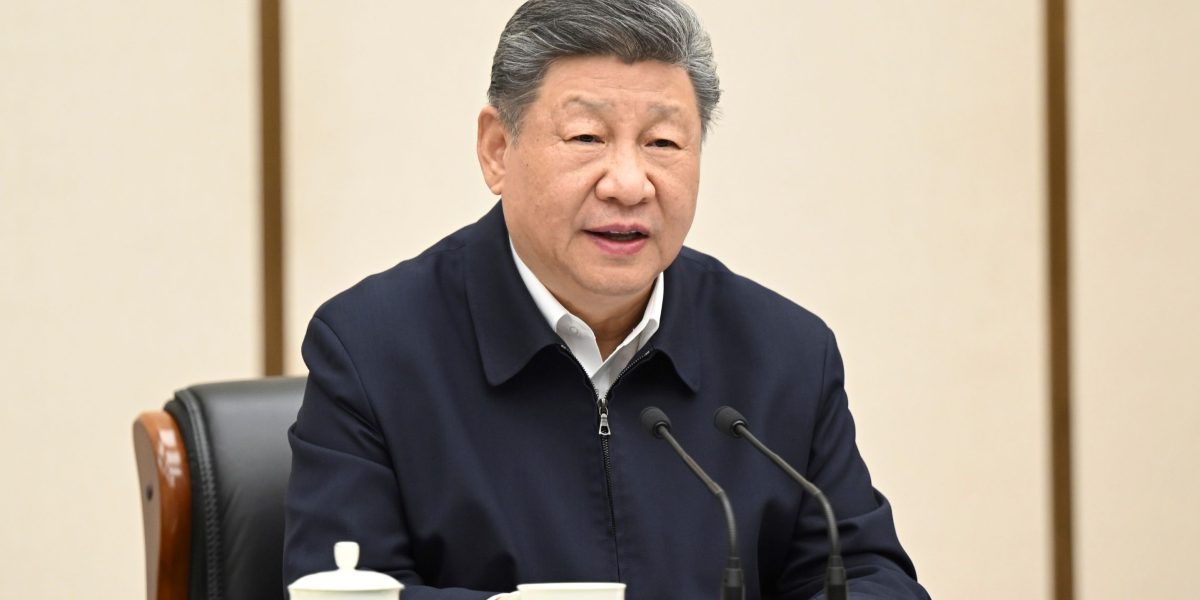
Deutsche Bank's latest report highlights China's strategic advantage in energy resources amid ongoing geopolitical tensions. As global energy dynamics shift, China is positioned to emerge as a key player in the international energy market.
Introduction
In a recent report, Deutsche Bank has identified China as the 'winner' in the global energy landscape, particularly in the context of escalating geopolitical tensions and conflicts. With the world facing a complex energy crisis exacerbated by various conflicts, China's strategic investments and resource management are positioning it favorably in the international arena.
China's Energy Strategy
As nations grapple with the consequences of conflicts such as the ongoing war in Ukraine, energy security has become a paramount concern. China, with its vast resources and proactive energy strategies, is poised to capitalize on the shifting dynamics. The country has been aggressively investing in renewable energy technologies, diversifying its energy sources, and securing long-term contracts with energy-rich nations.
Investment in Renewables
China's commitment to renewable energy is evident in its status as the world's largest producer of solar panels and wind turbines. The Chinese government has set ambitious targets to increase the share of renewables in its energy mix, aiming for carbon neutrality by 2060. This transition not only reduces dependency on fossil fuels but also positions China as a leader in the global green energy market.
Geopolitical Implications
The report from Deutsche Bank emphasizes that China's energy strategy is not just about securing resources but also about enhancing its geopolitical influence. By investing in energy infrastructure in developing countries, particularly in Africa and Southeast Asia, China is establishing itself as a key player in global energy supply chains. This strategy allows China to strengthen its diplomatic ties while simultaneously securing energy resources.
Impact of Global Conflicts
The ongoing conflicts around the world, especially the war in Ukraine, have disrupted traditional energy markets, leading to soaring prices and supply shortages. In this chaotic environment, China has managed to secure favorable energy deals, thus ensuring a stable supply for its growing economy. The report suggests that while other nations struggle with energy inflation, China is likely to benefit from its strategic planning and investments.
Challenges Ahead
Despite its advantageous position, China faces several challenges. The global push for decarbonization and the increasing pressure from Western nations to reduce reliance on fossil fuels could impact China's traditional energy sector. Additionally, the geopolitical tensions with the United States and its allies could lead to sanctions or trade restrictions that may hinder China's energy ambitions.
Conclusion
In conclusion, Deutsche Bank's assessment paints a picture of China as a formidable player in the global energy market, particularly as nations navigate the complexities of energy security in an era marked by conflict. China's strategic investments in renewable energy and its proactive approach to securing resources are likely to solidify its position as an energy leader in the coming years. As the world continues to grapple with energy challenges, China's role will be pivotal in shaping the future of global energy dynamics.