Disney's Continued Investment in China: A Strategic Move Amid Challenges
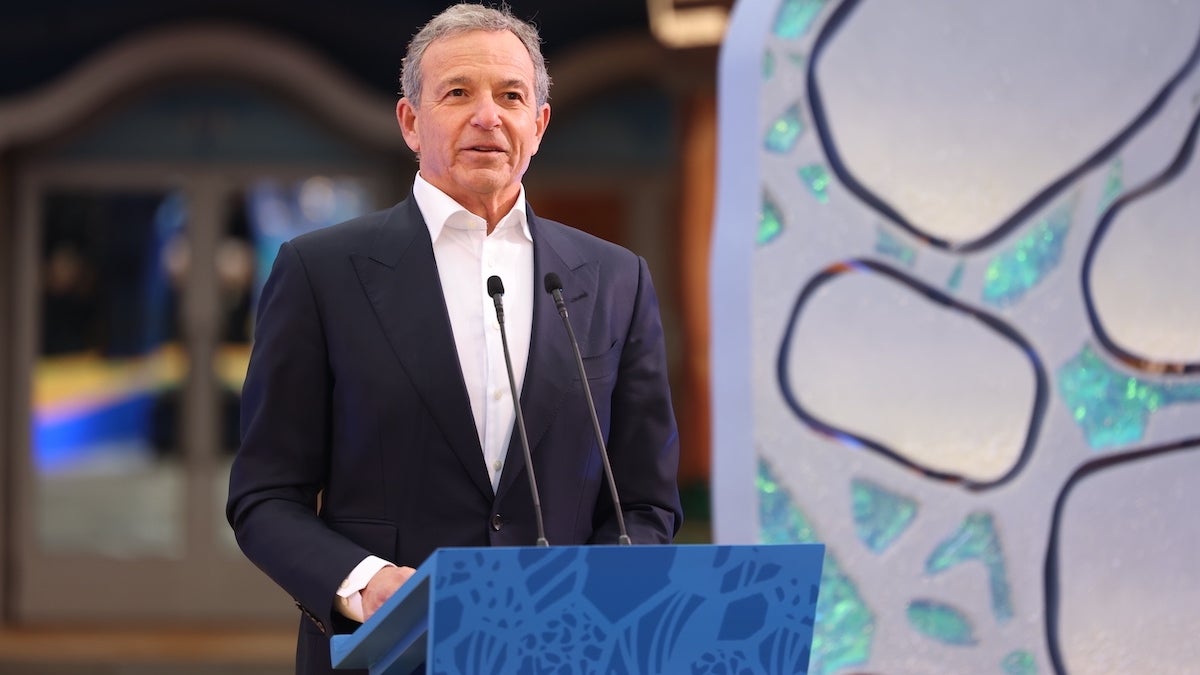
Disney CEO Bob Iger has reaffirmed the company's commitment to investing in China, despite ongoing challenges in the region. This decision highlights Disney's long-term strategy to strengthen its presence in one of the world's largest entertainment markets.
Disney's Commitment to China
In a recent announcement, Disney CEO Bob Iger confirmed that the entertainment giant will continue to invest in China, a critical market for the company's global strategy. Despite facing various challenges, including regulatory hurdles and changing consumer preferences, Iger emphasized that China remains a key component of Disney's growth plan.
The Importance of the Chinese Market
China has been a significant market for Disney, contributing to its revenue through theme parks, merchandise, and film releases. The company's Shanghai Disneyland, which opened in 2016, has been a major success, attracting millions of visitors and serving as a model for future expansions. Iger's commitment to investing in China signals Disney's recognition of the country's potential for growth in the entertainment sector.
Challenges Facing Disney in China
Despite the potential, Disney's operations in China have not been without challenges. The company has faced increased scrutiny from Chinese regulators, particularly concerning content censorship and compliance with local laws. Additionally, the COVID-19 pandemic significantly impacted theme park attendance and film releases, forcing Disney to adapt its strategies in the region.
Strategic Adaptations
In response to these challenges, Disney has been re-evaluating its approach in China. The company is focusing on localized content that resonates with Chinese audiences, ensuring that its films and television shows align with cultural preferences. This strategy aims to enhance Disney's brand relevance and strengthen its connection with Chinese consumers.
Future Prospects
Iger's announcement comes at a time when the global entertainment landscape is rapidly evolving. With the rise of streaming services and changing consumer habits, Disney is strategically positioning itself to capture a larger share of the Chinese market. The company is expected to invest in new film productions tailored for Chinese audiences and explore partnerships with local entertainment firms to enhance its offerings.
Conclusion
As Disney navigates the complexities of the Chinese market, its commitment to continued investment reflects a long-term vision for growth. By adapting to local preferences and addressing regulatory challenges, Disney aims to solidify its presence in one of the most lucrative entertainment markets in the world. Iger's leadership and strategic foresight will be crucial as the company seeks to overcome obstacles and capitalize on opportunities in China.