Dollar Faces Weekly Loss Amid Optimism Over Iran Peace Talks
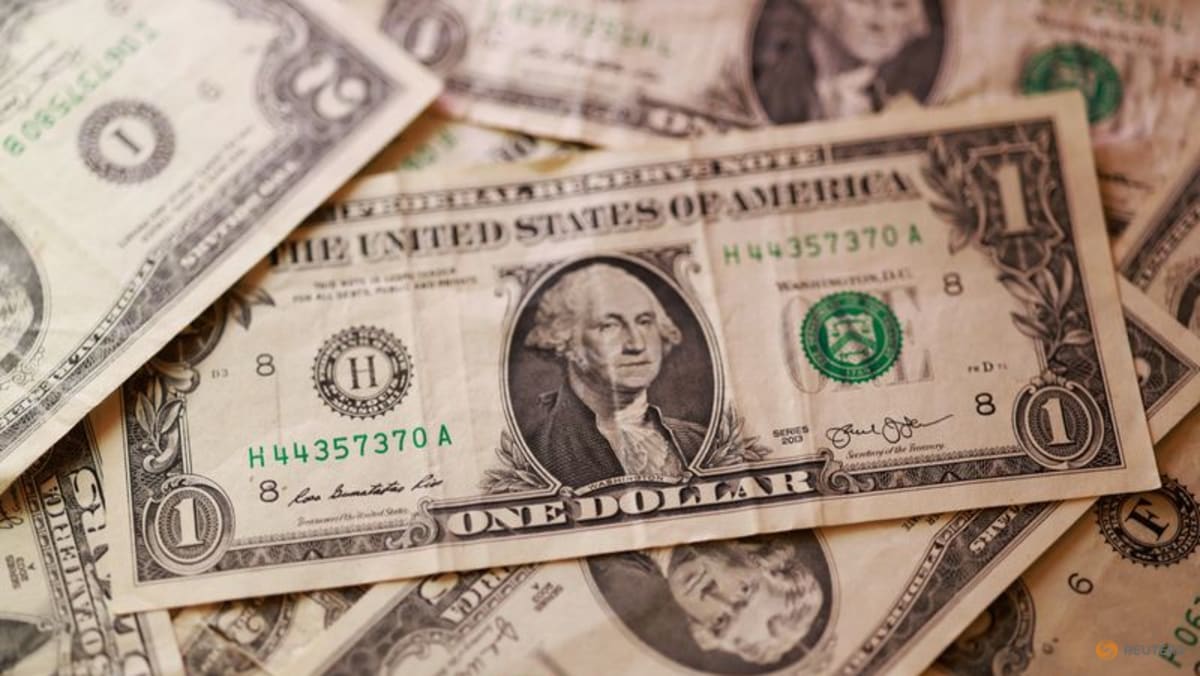
The US dollar is set to experience its second consecutive weekly loss as optimism surrounding potential peace talks in Iran continues to grow. This shift in sentiment has implications for global markets and currency exchange rates.
Dollar Faces Weekly Loss Amid Optimism Over Iran Peace Talks
The US dollar is poised to close out the week with a decline for the second consecutive time, driven by a wave of optimism surrounding potential peace talks in Iran. As discussions regarding a ceasefire and diplomatic resolutions gain traction, market sentiments have shifted, leading to fluctuations in currency values and investor confidence.
Recent reports indicate that diplomatic efforts to address the ongoing conflict in Iran have sparked hope among investors. The prospect of a peaceful resolution has led to a decrease in demand for the dollar, traditionally viewed as a safe-haven currency during times of geopolitical uncertainty. Analysts suggest that if peace talks yield positive results, the dollar could face further downward pressure as investors shift their focus to riskier assets.
In the past week, the dollar index, which measures the currency against a basket of others, has seen a notable decline. The index has dropped approximately 0.5% as traders reacted to news of potential negotiations aimed at resolving the Iran conflict. This marks a significant shift from the previous weeks when the dollar had strengthened due to rising tensions and uncertainty in the region.
Market analysts are closely monitoring the developments in Iran, as any signs of a breakthrough in talks could lead to a more substantial sell-off of the dollar. “The market is responding to the possibility of a de-escalation in tensions,” said John Smith, a currency strategist at Global Financial Services. “If peace talks progress, we could see a significant shift in capital flows, with investors looking to diversify away from the dollar.”
The Iranian government has indicated a willingness to engage in dialogue, a move that has been welcomed by the international community. The potential for a ceasefire and subsequent negotiations could pave the way for improved relations and economic stability in the region, further influencing global markets.
In addition to the geopolitical factors, economic data released this week has also contributed to the dollar's decline. Reports indicating a slowdown in US economic growth and weaker-than-expected job numbers have raised concerns about the Federal Reserve's monetary policy direction. The combination of these domestic factors and international developments has created a perfect storm for the dollar.
Investors are now looking ahead to next week’s economic indicators, including inflation data and consumer sentiment reports, which could provide further insight into the health of the US economy. Should the data suggest continued weakness, the dollar may struggle to regain its footing.
In contrast, other currencies, particularly those from emerging markets, have begun to show signs of strength as investors seek opportunities beyond the dollar. The euro and British pound have both gained against the dollar this week, reflecting a broader shift in market sentiment. “We are seeing a rotation in the markets as investors look for growth opportunities outside of the traditional safe-haven currencies,” noted Sarah Johnson, an economist at Market Insights.
As the situation in Iran continues to evolve, traders and investors will remain vigilant, assessing the potential impacts on currency markets. The optimism surrounding peace talks may provide a temporary reprieve for the dollar's downward trajectory, but the long-term implications will depend on the outcomes of these diplomatic efforts and the overall health of the global economy.
In conclusion, the US dollar's recent performance highlights the intricate interplay between geopolitical events and market dynamics. With the potential for peace in Iran on the horizon, the currency markets may be in for a period of volatility as investors recalibrate their strategies in response to changing sentiments.