Dollar Falls Amid Oil Shock Prompting Central Banks to Adopt Hawkish Stance
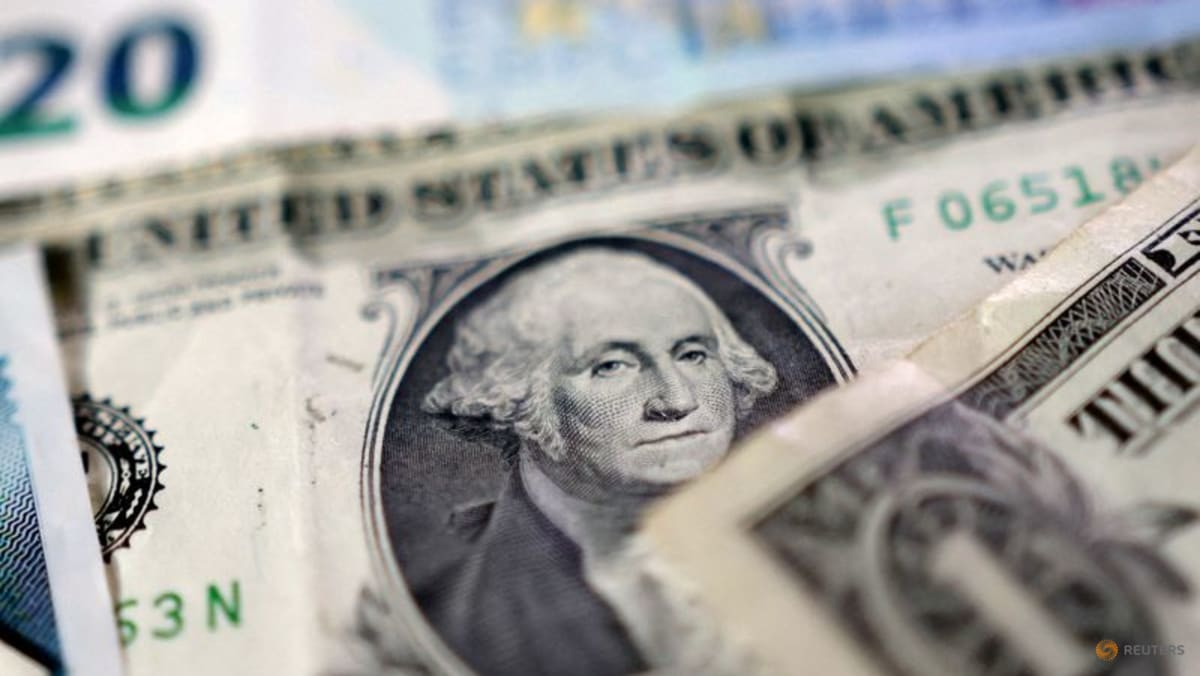
The recent surge in oil prices has led to a significant decline in the US dollar, as central banks around the world adopt a more hawkish approach to monetary policy. Analysts predict that this shift could have far-reaching implications for global markets and economies.
Introduction
The financial landscape is undergoing a seismic shift as the dollar tumbles in the wake of an oil shock that has prompted central banks globally to adopt a hawkish stance. The surge in oil prices, driven by geopolitical tensions and supply chain disruptions, has raised concerns about inflation and economic stability, leading to a reevaluation of monetary policies.
The Oil Shock
Recent events in the Middle East have sent oil prices soaring, with Brent crude reaching levels not seen in years. This spike can be attributed to a combination of factors, including escalating conflicts in oil-producing regions, OPEC+ production cuts, and a rebound in global demand as economies emerge from the pandemic. As oil prices rise, so do fears of inflation, prompting central banks to reconsider their previously accommodative monetary policies.
Central Banks Respond
In response to the oil shock, central banks around the world are signaling a shift towards more aggressive monetary tightening. The Federal Reserve, which had been under pressure to maintain low interest rates to support economic recovery, is now facing calls to act more decisively against rising inflation. Similar sentiments are echoed by the European Central Bank and the Bank of England, both of which are grappling with the implications of higher energy costs on their respective economies.
Impact on the Dollar
The dollar has reacted sharply to these developments, experiencing a significant decline against major currencies. Analysts attribute this drop to a combination of factors, including shifting expectations for interest rate hikes and a general risk-off sentiment among investors. As central banks pivot towards tightening, the dollar's status as the world's primary reserve currency is being tested, raising questions about its future stability.
Global Market Repercussions
The implications of a weaker dollar are far-reaching. For emerging markets, a declining dollar can lead to increased capital outflows as investors seek safer assets. This trend could exacerbate existing economic vulnerabilities in countries reliant on dollar-denominated debt. Additionally, commodities priced in dollars become more expensive for foreign buyers, potentially dampening global demand and impacting economic growth.
Investor Sentiment
Investor sentiment is shifting as market participants adjust their portfolios in response to the changing economic landscape. Many are turning to commodities, particularly oil, as a hedge against inflation, while others are re-evaluating their exposure to equities amid rising interest rates. The volatility in the currency markets is prompting traders to adopt a more cautious approach, with increased demand for safe-haven assets such as gold and the Japanese yen.
Conclusion
The current oil shock and the subsequent response from central banks mark a critical juncture for the global economy. As the dollar continues to weaken, market participants must navigate the complexities of a rapidly changing financial environment. The decisions made by central banks in the coming months will be pivotal in shaping the trajectory of inflation, economic growth, and currency stability in a world still grappling with the aftermath of a pandemic.