Dollar Near One-Week High as Markets Grapple with Gulf Tensions
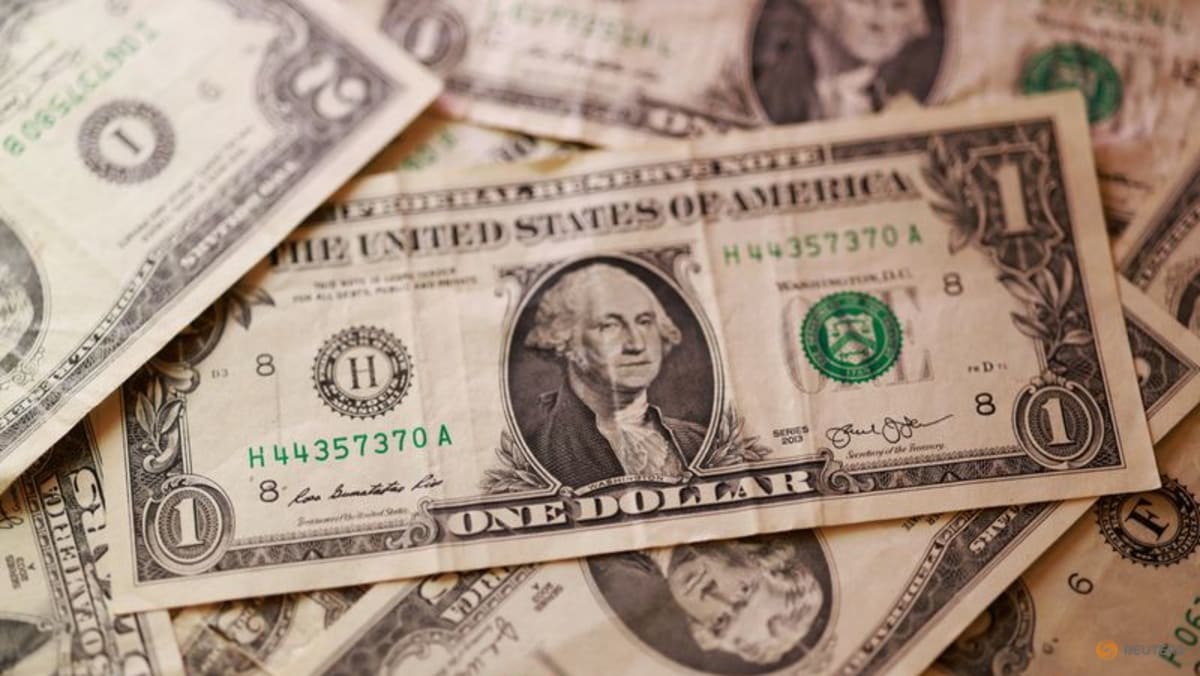
The US dollar has reached a near one-week high as financial markets react to escalating tensions in the Gulf region. Investors are closely monitoring developments that could impact global trade and economic stability.
Dollar Strengthens Amidst Geopolitical Uncertainty
The US dollar has climbed to a near one-week high as financial markets react to escalating tensions in the Gulf region, primarily driven by concerns over potential military conflicts and their implications for global trade. Investors are navigating a complex landscape, weighing geopolitical risks against economic data that could influence monetary policy decisions in the coming months.
Market Reactions to Gulf Tensions
Recent events in the Gulf have heightened investor anxiety, leading to a flight to safety that has bolstered the dollar. Reports of military movements and aggressive posturing from various nations have caused fluctuations in oil prices, which in turn affect currencies tied to the energy sector. The dollar's strength is particularly notable against other major currencies, as traders seek refuge in the world's primary reserve currency amidst uncertainty.
Economic Data Influencing Currency Trends
In addition to geopolitical factors, economic indicators are playing a crucial role in shaping market sentiment. Recent data releases from the US, including employment figures and inflation rates, have provided mixed signals. While the labor market remains robust, inflationary pressures continue to pose challenges for the Federal Reserve. Analysts suggest that the Fed's upcoming policy decisions will be closely tied to these economic indicators, further influencing the dollar's trajectory.
Global Trade and Economic Stability at Stake
The ongoing tensions in the Gulf region not only impact currency markets but also raise concerns about global trade and economic stability. Disruptions in oil supply routes could lead to increased prices, affecting consumers and businesses worldwide. As the dollar strengthens, it may also impact US exports, making American goods more expensive for foreign buyers. This dynamic could lead to a ripple effect in global markets, prompting investors to reassess their strategies.
Investor Strategies in a Volatile Environment
In this volatile environment, investors are advised to remain vigilant and adaptable. Diversification remains a key strategy, as market conditions can change rapidly based on geopolitical developments. Currency traders are particularly focused on the dollar's performance against emerging market currencies, which may be more susceptible to external shocks. As tensions continue to unfold, market participants are likely to adjust their positions in anticipation of further developments.
Looking Ahead: Potential Scenarios
Looking forward, analysts are considering various scenarios that could unfold in the coming weeks. Should tensions escalate further, the dollar may continue to strengthen as investors flock to safe-haven assets. Conversely, if diplomatic efforts succeed in de-escalating the situation, we could see a reversal in the dollar's fortunes as risk appetite returns to the market. The interplay between geopolitical developments and economic data will remain critical in shaping the outlook for currencies.
Conclusion
As the dollar approaches a one-week high amidst rising Gulf tensions, investors are left to navigate a complex and uncertain landscape. The interplay of geopolitical risks and economic indicators will be pivotal in determining the dollar's future trajectory. In this environment, staying informed and adaptable will be essential for market participants aiming to mitigate risks and capitalize on opportunities.