Dollar Near Two-Week High as Oil Surge Lifts Yields and Fed Hike Bets
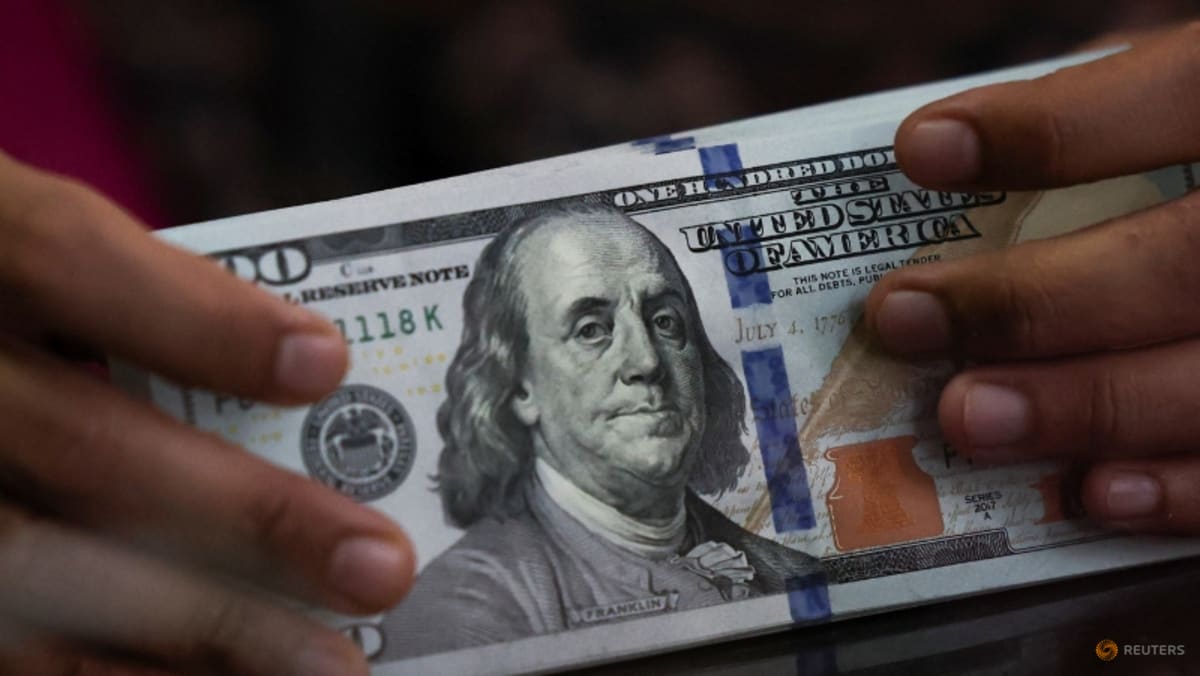
The US dollar reached a near two-week high as surging oil prices contributed to rising yields and increased bets on a Federal Reserve interest rate hike. Analysts are closely monitoring the implications of these developments on global markets.
Dollar Strengthens Amid Rising Oil Prices
The US dollar has climbed to a near two-week high, buoyed by a surge in oil prices that has led to increased yields on government bonds and heightened expectations for a Federal Reserve interest rate hike. This development comes as investors react to a series of economic indicators that suggest a robust recovery in the US economy.
Oil Prices Fuel Market Movements
Crude oil prices have been on the rise, with Brent crude reaching levels not seen in over a year. The increase in oil prices is attributed to various factors, including supply constraints and geopolitical tensions that have raised concerns about the stability of oil supply chains. As oil prices rise, inflationary pressures are expected to mount, prompting speculation about the Fed's next moves.
Impact on Bond Yields
As oil prices surged, the yield on US Treasury bonds also saw an uptick, reflecting investor sentiment that the Federal Reserve may need to take a more aggressive stance on interest rates to combat potential inflation. The yield on the benchmark 10-year Treasury note rose to its highest level in several weeks, signaling a shift in market expectations regarding monetary policy.
Market Reactions and Fed Speculations
Market participants are increasingly pricing in the possibility of a rate hike by the Federal Reserve at its next meeting. Analysts suggest that the central bank may need to act sooner rather than later to address inflation concerns, especially if oil prices continue to rise. The dollar's strength is seen as a reflection of these shifting expectations, with investors flocking to the currency as a safe haven amid uncertainty.
Global Implications
The strengthening dollar has significant implications for global markets, particularly for emerging economies that rely heavily on dollar-denominated debt. A stronger dollar can lead to increased borrowing costs for these nations, potentially impacting their economic stability. Additionally, fluctuations in oil prices can have ripple effects across various sectors, influencing everything from transportation costs to consumer prices.
Looking Ahead
As the market digests these developments, attention will turn to upcoming economic data releases, including employment figures and inflation reports, which could further influence the Fed's decision-making process. Investors will be keen to assess how these factors interact with the ongoing recovery from the pandemic and the broader economic landscape.
Conclusion
The recent surge in oil prices and the corresponding rise in bond yields have positioned the US dollar near a two-week high, raising expectations for a Federal Reserve interest rate hike. As global markets navigate these changes, the interplay between oil prices, inflation, and monetary policy will remain a focal point for investors and analysts alike.