Dollar Plummets as Oil Shock Triggers Central Banks' Hawkish Stance
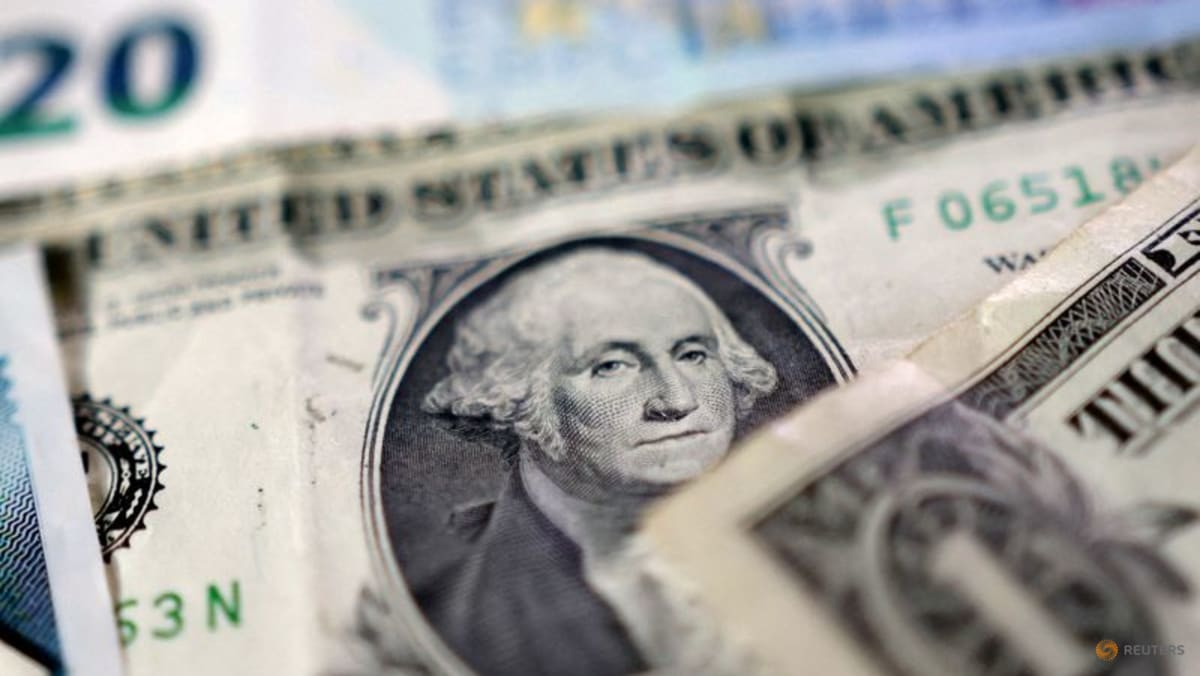
The recent surge in oil prices has led to a significant depreciation of the US dollar, prompting central banks worldwide to adopt a more aggressive monetary policy. Analysts warn that this shift could have far-reaching implications for global markets and inflation rates.
Introduction
The financial landscape is undergoing a seismic shift as the US dollar faces unprecedented pressure amid a global oil shock. Central banks around the world are responding with hawkish monetary policies, a move that could reshape the economic outlook for many nations.
The Oil Shock
Recent developments in the oil market have sent prices soaring, with Brent crude hitting levels not seen in years. Analysts attribute this spike to a combination of geopolitical tensions, supply chain disruptions, and OPEC's decision to cut production. As oil prices rise, the cost of living is expected to increase, leading to higher inflation rates globally.
The Dollar's Decline
As oil prices surged, the US dollar experienced a significant decline, falling against major currencies. The dollar's weakness is largely attributed to fears that rising energy costs will stoke inflation, prompting the Federal Reserve to reconsider its current monetary policy. The dollar's depreciation has raised concerns among investors and economists alike, as it could lead to increased volatility in the foreign exchange markets.
Central Banks' Response
In response to the oil shock and the weakening dollar, central banks across the globe are adopting more aggressive monetary policies. The European Central Bank (ECB) and the Bank of England (BoE) have indicated that they may raise interest rates sooner than previously anticipated to combat rising inflation. Similarly, the Bank of Japan is also reevaluating its stance, considering the implications of a weaker dollar on its own economy.
Global Economic Implications
The shift in monetary policy by central banks could have far-reaching implications for the global economy. Higher interest rates may slow down economic growth as borrowing costs increase for consumers and businesses. Additionally, emerging markets, which often rely on dollar-denominated debt, could face significant challenges as the dollar weakens, leading to higher repayment costs.
Market Reactions
Financial markets have reacted swiftly to these developments, with stock indices experiencing heightened volatility. Investors are increasingly cautious, opting for safe-haven assets such as gold and government bonds. The uncertainty surrounding the dollar and rising oil prices has led to a reevaluation of investment strategies, with many looking to hedge against inflation.
Conclusion
The current economic climate, marked by an oil shock and a weakening dollar, presents a complex challenge for central banks and policymakers. As they navigate these turbulent waters, the decisions made in the coming weeks will be crucial in determining the trajectory of the global economy. Investors and consumers alike will be watching closely, as the implications of these changes could be felt across various sectors.