Dollar Stabilizes Amid Ceasefire Prospects and Easing PPI Pressure on Federal Reserve
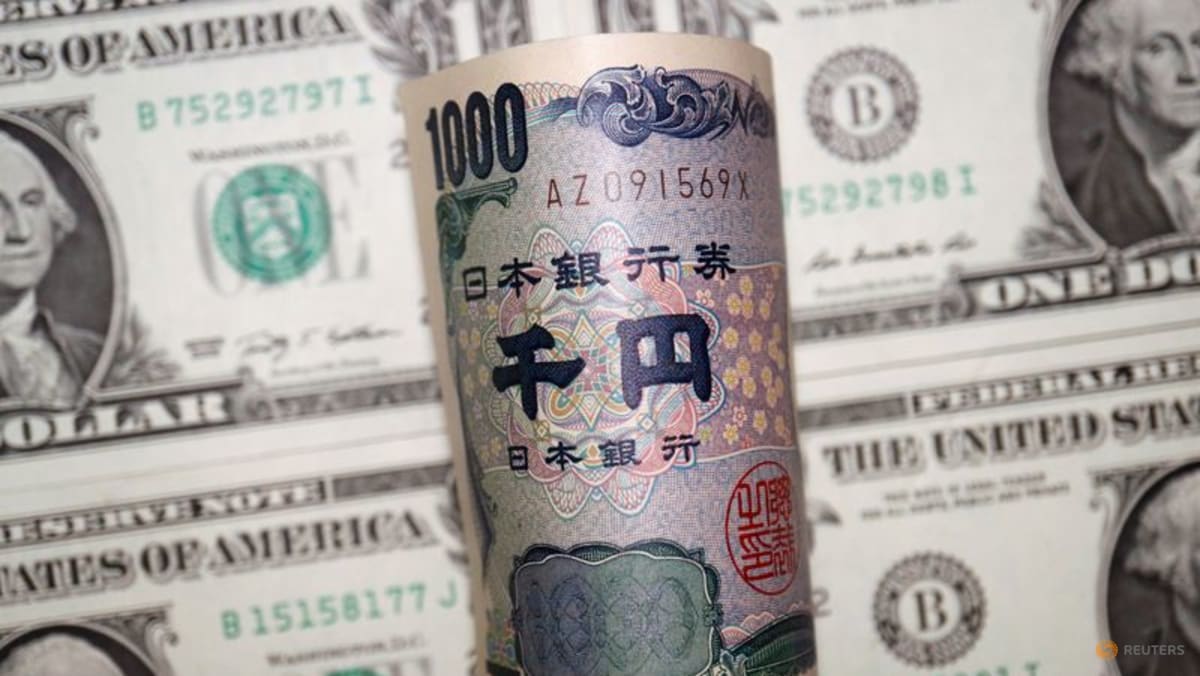
The U.S. dollar shows signs of stabilization as prospects for a ceasefire emerge in conflict zones, coupled with a decrease in Producer Price Index (PPI) pressures. These developments are influencing the Federal Reserve's monetary policy outlook.
Dollar Stabilizes Amid Ceasefire Prospects
The U.S. dollar has shown signs of stabilization in recent trading sessions, buoyed by optimistic prospects for a ceasefire in ongoing conflict zones. This development comes at a time when the Producer Price Index (PPI) has also eased, alleviating some of the pressure on the Federal Reserve as it navigates its monetary policy decisions.
Ceasefire Prospects Impact Market Sentiment
Market analysts have noted that the potential for a ceasefire in conflict areas, particularly in the Middle East, has contributed to a more stable economic outlook. Investors are increasingly optimistic that a resolution could lead to a reduction in geopolitical tensions, which have historically influenced currency fluctuations. The dollar's stability is crucial for global trade, and any signs of peace can significantly impact investor confidence.
Producer Price Index Eases Pressure
In addition to geopolitical factors, the recent decline in the Producer Price Index (PPI) has provided further support for the dollar. The PPI, which measures the average change over time in the selling prices received by domestic producers for their output, has shown signs of easing inflationary pressures. This decline suggests that the Federal Reserve may have more leeway in its monetary policy decisions, potentially allowing for a more measured approach to interest rate adjustments.
Federal Reserve's Monetary Policy Outlook
The Federal Reserve has been closely monitoring inflation indicators as it grapples with the challenges of balancing economic growth and price stability. With the easing of PPI pressures, there is speculation that the Fed may adopt a more cautious stance in its upcoming meetings. Analysts suggest that if inflation continues to moderate, the central bank might consider pausing interest rate hikes, which could further support the dollar's stability.
Global Economic Implications
The implications of a stable dollar extend beyond U.S. borders. As the world's primary reserve currency, fluctuations in the dollar can have significant effects on international markets. A stronger dollar can lead to increased costs for foreign buyers of U.S. goods, potentially impacting exports. Conversely, a stable dollar can foster a more predictable trading environment, benefiting global economic recovery efforts.
Investor Sentiment and Future Outlook
Investor sentiment remains cautiously optimistic as the dollar stabilizes. Market participants are keeping a close eye on upcoming economic data releases, particularly those related to inflation and employment, which will provide further insights into the Federal Reserve's policy direction. As the situation evolves, the interplay between geopolitical developments and economic indicators will continue to shape the dollar's trajectory.
Conclusion
In summary, the U.S. dollar's recent stabilization is a result of both geopolitical developments and easing inflationary pressures as indicated by the PPI. The Federal Reserve's forthcoming decisions will be pivotal in determining the dollar's future, as investors await clearer signals on the central bank's approach to managing the economy amidst ongoing global uncertainties.