Dollar Strengthens Amid Global Market Caution Over Middle East Conflict
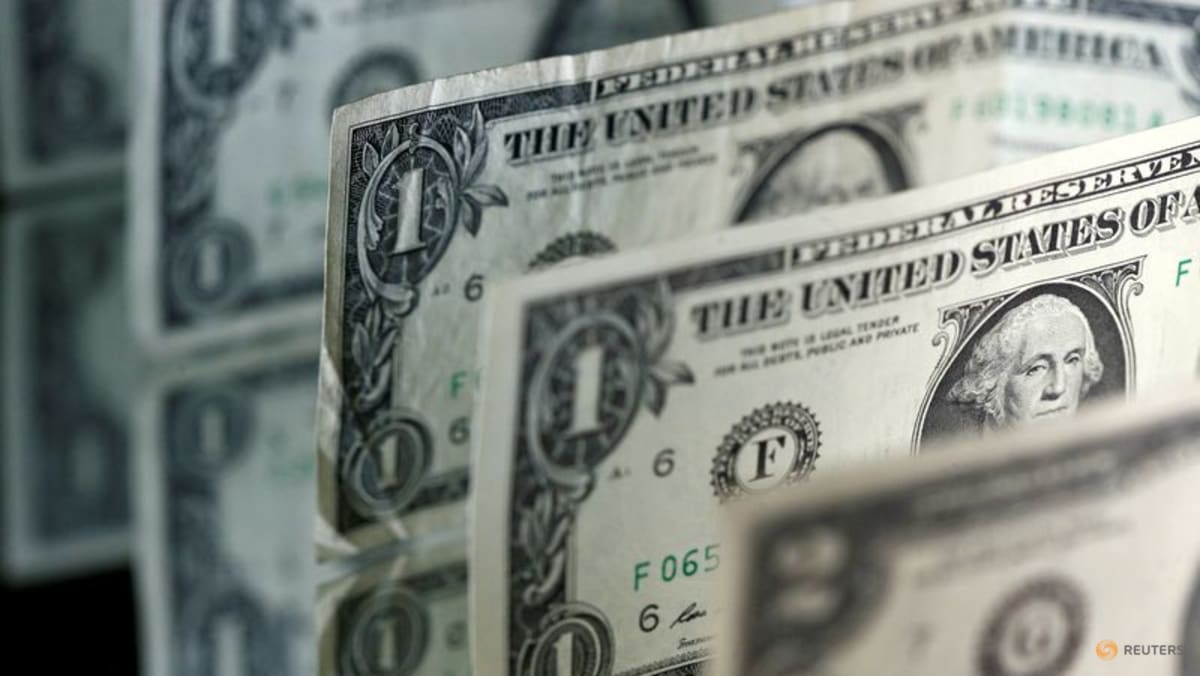
As tensions escalate in the Middle East, global markets are exhibiting signs of caution, leading to a significant strengthening of the US dollar. Investors are seeking refuge in the dollar, reflecting concerns over geopolitical instability and its potential impact on the global economy.
Dollar Strengthens Amid Global Market Caution Over Middle East Conflict
In the wake of escalating violence in the Middle East, global financial markets are exhibiting a marked sense of caution, prompting a significant strengthening of the US dollar. Investors are increasingly turning to the dollar as a safe haven amid fears that the ongoing conflict could disrupt economic stability and growth, both regionally and globally.
The conflict, which has seen a resurgence of hostilities in recent weeks, has raised alarm bells among investors, leading to a sell-off in riskier assets. As geopolitical tensions rise, the dollar has emerged as a preferred currency, reflecting its status as a global reserve currency and a reliable store of value.
Market analysts have noted that the dollar's strength is not solely a reaction to the Middle East crisis but also influenced by a series of economic indicators from the United States. Recent data showing robust job growth and resilient consumer spending have bolstered investor confidence in the US economy, further enhancing the dollar's appeal.
According to financial experts, the dollar's rise has significant implications for global trade and investment. A stronger dollar can make US exports more expensive for foreign buyers, potentially impacting the competitiveness of American goods in international markets. Conversely, it can also make imports cheaper for US consumers, which may lead to a trade imbalance.
Investors are closely monitoring the situation in the Middle East, as any escalation could lead to increased volatility in oil prices, which are already affected by the conflict. Higher oil prices could exacerbate inflationary pressures in the US and other economies, complicating monetary policy decisions for central banks.
In response to these developments, the Federal Reserve is likely to maintain a cautious approach in its monetary policy. Analysts suggest that the Fed may be reluctant to raise interest rates aggressively in the current environment, as doing so could further strengthen the dollar and hinder economic growth.
Furthermore, the geopolitical landscape is prompting investors to reassess their portfolios. Many are reallocating assets towards more stable investments, such as government bonds and precious metals, which traditionally perform well during times of uncertainty. This shift is indicative of a broader trend where investors are prioritizing capital preservation over aggressive growth strategies.
As the situation unfolds, market participants are advised to stay vigilant and informed about developments in the Middle East. The potential for escalation remains high, and any significant changes could have far-reaching implications for global financial markets.
In conclusion, the current geopolitical tensions in the Middle East are reshaping investor sentiment and driving the US dollar to new heights. With the global economy still recovering from the impacts of the COVID-19 pandemic, the interplay between geopolitical stability and economic performance will be crucial in determining market trends in the coming weeks.