Dollar Strengthens Amid Tensions as Trump Addresses Iran Conflict
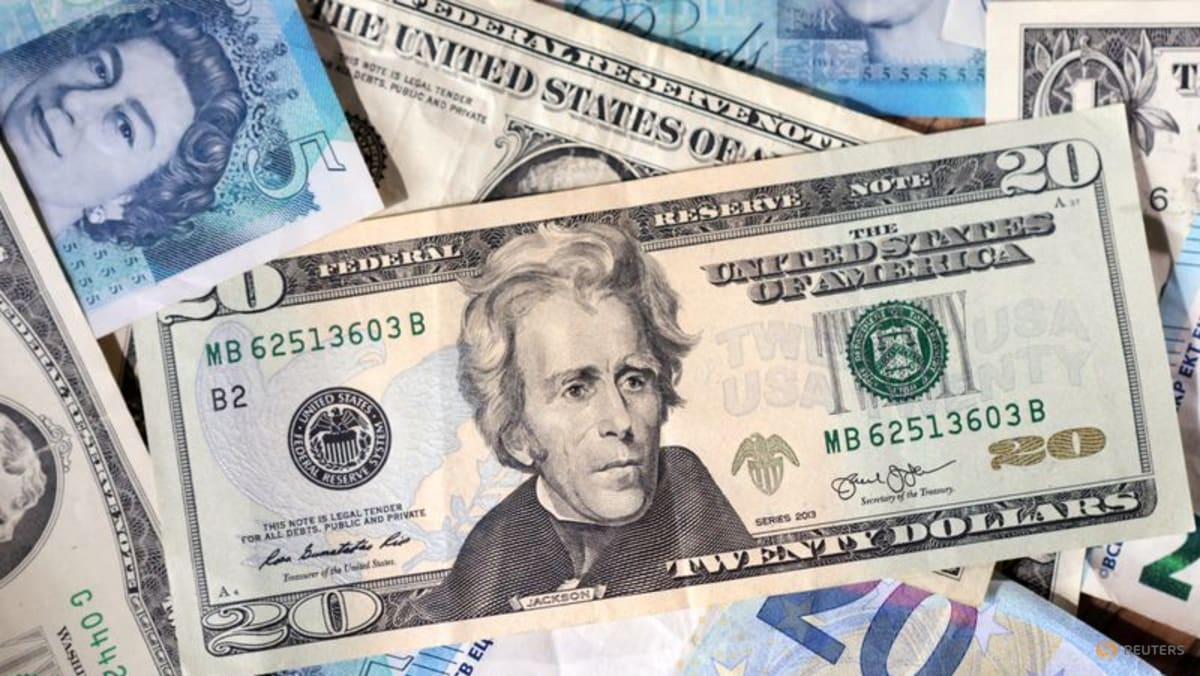
The U.S. dollar gained strength following President Trump's latest address regarding the ongoing conflict with Iran. His speech, which lacked a clear timeline for a ceasefire, indicated a commitment to continued military action, impacting global markets.
Dollar Strengthens Amid Tensions as Trump Addresses Iran Conflict
The U.S. dollar saw a notable increase in value on the foreign exchange markets following President Donald Trump's address concerning the escalating tensions with Iran. In a speech delivered on [insert date], Trump emphasized the United States' commitment to taking further military action against Iran, which has raised concerns among investors and analysts about the potential for prolonged conflict in the region.
During his address, Trump refrained from providing a clear timeline for a ceasefire, which has left many in the international community questioning the future of U.S.-Iran relations. The lack of a definitive strategy has led to increased volatility in global markets, with the dollar benefiting as investors sought safe-haven assets amidst rising geopolitical tensions.
Market analysts noted that the dollar's strength is often inversely related to risk appetite among investors. As fears of a broader conflict loom, many are turning to the dollar, which traditionally serves as a safe haven during periods of uncertainty. Following Trump's speech, the dollar index, which measures the currency against a basket of others, rose by [insert percentage], reflecting increased demand.
Trump's remarks came in the wake of heightened military actions following the U.S. drone strike that killed Iranian General Qassem Soleimani. The strike has escalated tensions between the two nations, prompting Iran to retaliate with missile attacks on U.S. bases in Iraq. In his speech, Trump reiterated the U.S. stance on Iran, stating, "We will not back down, and we will continue to protect our interests and our allies in the region." This aggressive rhetoric has further fueled fears of an extended military engagement.
In addition to the immediate effects on the dollar, analysts are closely monitoring the potential long-term implications of Trump's policies on international trade and relations. The uncertainty surrounding U.S. military actions could lead to disruptions in oil supply chains, which would have a cascading effect on global markets. Oil prices have already seen fluctuations in response to the conflict, with Brent crude rising by [insert percentage] following the speech.
As the situation develops, economists are also assessing how the ongoing conflict might influence the Federal Reserve's monetary policy. A stronger dollar could impact U.S. exports, making American goods more expensive for foreign buyers. This could, in turn, affect economic growth, prompting discussions about potential adjustments to interest rates in the near future.
Global markets reacted swiftly to the news, with stocks in Asia and Europe showing signs of decline as investors reacted to the uncertainty surrounding the U.S.-Iran situation. The potential for further military action has created a climate of fear that could dampen economic growth not only in the U.S. but also in other countries that are closely tied to the region.
In conclusion, President Trump's recent address has not only solidified the U.S. stance on Iran but has also had immediate repercussions on the financial markets. The strengthening of the dollar amidst these tensions highlights the complex interplay between geopolitical events and economic stability. As the world watches closely, the implications of Trump's policies on both the U.S. economy and international relations remain to be seen.