Dollar Weakens as Markets React to Trump’s Delay in Iran Strikes
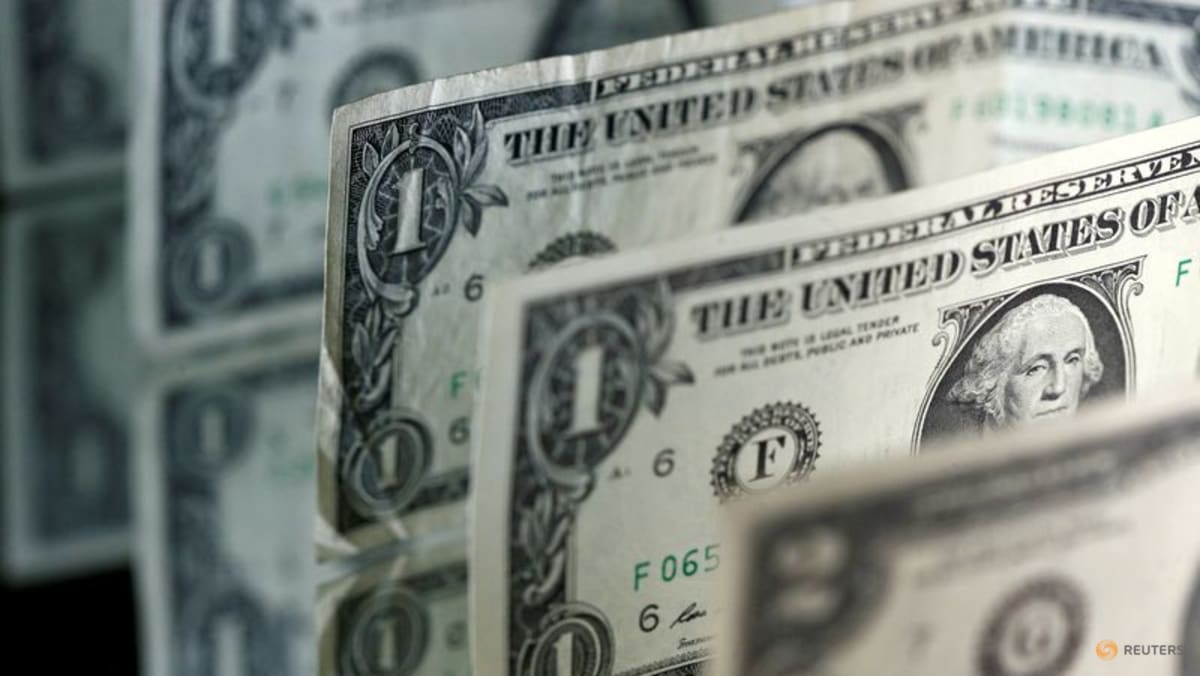
The US dollar sees losses as investors react to President Trump's decision to postpone military strikes against Iran. Financial markets are weighing the implications of this geopolitical tension on global trade and economic stability.
Dollar Weakens Amid Geopolitical Uncertainty
The US dollar experienced notable losses on Wednesday as investors digested President Donald Trump's unexpected decision to delay military strikes against Iran. This development has stirred uncertainty in the financial markets, prompting traders to reassess their positions amid heightened geopolitical tensions.
Market Reactions to Delayed Military Action
In the wake of Trump's announcement, the dollar index, which measures the currency against a basket of six major currencies, fell by 0.5%. Analysts suggest that the delay in military action, while providing temporary relief, has not alleviated concerns regarding the ongoing conflict in the Middle East. The situation remains fluid, and investors are keenly watching for any further developments that could impact oil prices and global trade.
Oil Prices and Economic Implications
Oil prices surged in response to the heightened tensions, with Brent crude climbing to over $70 a barrel. This increase reflects fears of potential supply disruptions in the oil-rich region should military action escalate. Economists warn that sustained high oil prices could lead to inflationary pressures, impacting consumer spending and overall economic growth in the US and beyond.
Investor Sentiment and Safe-Haven Assets
As uncertainty looms, investors are gravitating towards safe-haven assets such as gold and the Japanese yen. Gold prices reached a six-year high, reflecting a flight to safety as traders seek to hedge against potential market volatility. The yen, traditionally viewed as a safe-haven currency, also gained ground against the dollar, further contributing to the greenback's decline.
Global Trade Concerns
The geopolitical tensions surrounding Iran have reignited fears about the stability of global trade. Analysts note that any military conflict could disrupt shipping routes and lead to increased costs for businesses reliant on oil and gas imports. The potential for retaliatory measures from Iran could also impact trade relations with key partners, further complicating an already fragile economic landscape.
Looking Ahead: Economic Indicators to Watch
Market participants are now turning their attention to upcoming economic indicators, including US employment data and consumer confidence reports. These metrics will provide insight into the health of the US economy and could influence the Federal Reserve's monetary policy decisions in the coming months. A robust labor market and strong consumer spending could help bolster the dollar, while weak data may exacerbate its current decline.
Conclusion: Navigating Uncertainty
As the situation in Iran continues to unfold, investors remain cautious, weighing the potential risks against opportunities in the market. The dollar's recent losses underscore the delicate balance between geopolitical events and economic fundamentals. Moving forward, market participants will need to stay vigilant and adaptable as they navigate this complex and evolving landscape.