Eileen Gu's Financial Ties to the CCP Amidst Jimmy Lai's Imprisonment
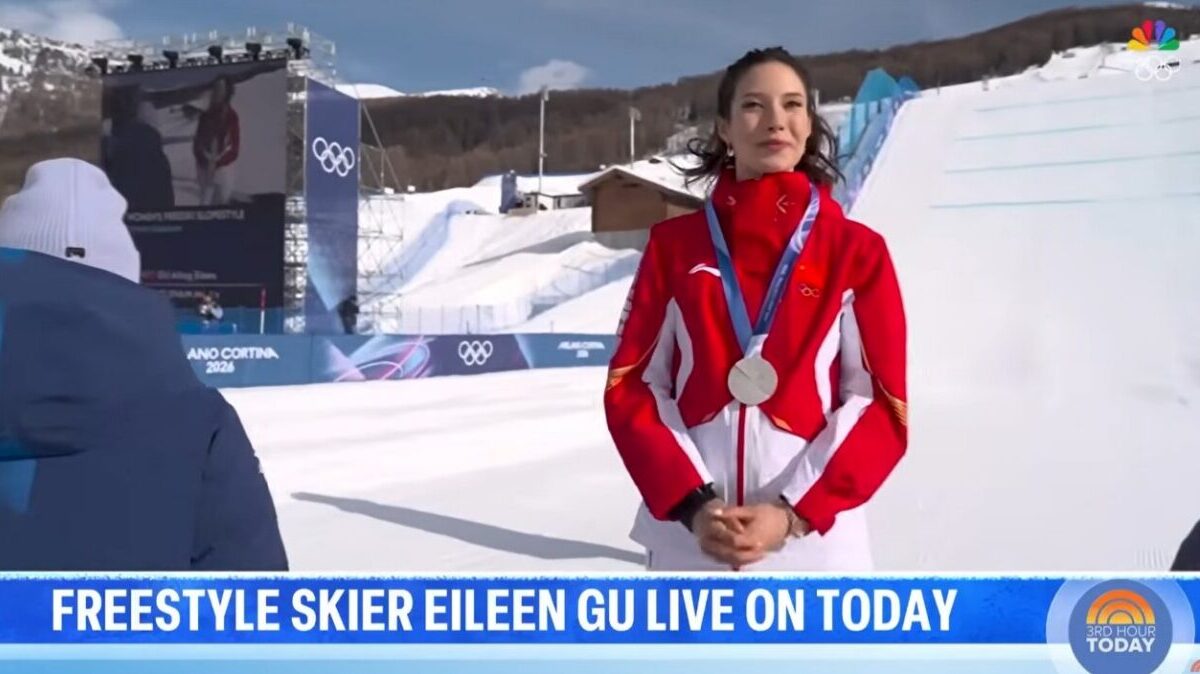
Eileen Gu, the American-born Chinese Olympic skier, has drawn attention for her lucrative endorsements from the Chinese Communist Party while Hong Kong media mogul Jimmy Lai remains imprisoned for his pro-democracy stance. This juxtaposition highlights the ongoing tensions between dissent and compliance in Hong Kong's current political climate.
Introduction
The political landscape in Hong Kong has become increasingly polarized, especially in the wake of the National Security Law imposed by Beijing. While pro-democracy figures like Jimmy Lai languish in prison, others, such as Eileen Gu, are benefiting from the very regime that has silenced dissent. This report explores the implications of Gu's financial ties to the Chinese Communist Party (CCP) amidst the backdrop of Lai's imprisonment.
The Case of Jimmy Lai
Jimmy Lai, the founder of the Apple Daily newspaper, has become a symbol of the struggle for press freedom in Hong Kong. His outspoken criticism of the CCP and advocacy for democracy have led to his arrest and ongoing detention. Lai's case has garnered international attention, with many viewing him as a political prisoner whose only crime was to speak out against authoritarianism.
Eileen Gu's Rise to Fame
In stark contrast to Lai's plight, Eileen Gu has rapidly ascended to fame as a prominent figure in the world of sports. The 18-year-old freestyle skier, who represented China in the 2022 Winter Olympics, has secured lucrative endorsement deals, including partnerships with major brands that are closely aligned with the CCP. Gu's decision to compete for China, despite her American upbringing, has been met with mixed reactions, with some praising her for embracing her heritage while others criticize her for aligning with a regime known for its human rights abuses.
Financial Ties to the CCP
Gu's financial success is not merely a product of her athletic prowess; it is also a reflection of the CCP's investment in her image. By promoting athletes like Gu, the Chinese government aims to project a positive image of the nation on the global stage, especially as it seeks to bolster national pride and unity. The endorsements Gu has received from state-affiliated companies raise questions about the ethical implications of profiting from a regime that suppresses dissent and curtails freedoms.
Public Perception and Backlash
The juxtaposition of Gu's success with Lai's imprisonment has sparked a broader conversation about complicity and moral responsibility. Many in Hong Kong and abroad are grappling with the notion of how individuals can thrive under an authoritarian regime while others suffer severe consequences for their beliefs. Critics argue that Gu's financial gains come at the expense of those like Lai, who have sacrificed their freedom for the sake of democracy.
The Global Response
Internationally, the situation has prompted discussions about the responsibilities of athletes and public figures in the face of political oppression. While some argue that Gu is simply capitalizing on her opportunities, others contend that her actions serve to legitimize a regime that is actively undermining basic human rights. The global community remains divided on how to respond to these complexities, with calls for boycotts and protests against brands that support athletes linked to the CCP.
Conclusion
The contrasting narratives of Eileen Gu and Jimmy Lai encapsulate the ongoing struggle for freedom and expression in Hong Kong. As Gu continues to rise as a prominent figure in sports, the implications of her financial ties to the CCP will likely remain a contentious issue. Meanwhile, the plight of Jimmy Lai serves as a stark reminder of the sacrifices made by those who dare to challenge the status quo. The world watches as these two stories unfold, each representing different facets of a city caught in the crosshairs of political repression and the pursuit of success.