Elevated Networks: A Sustainable Future for Hong Kong's Urban Landscape
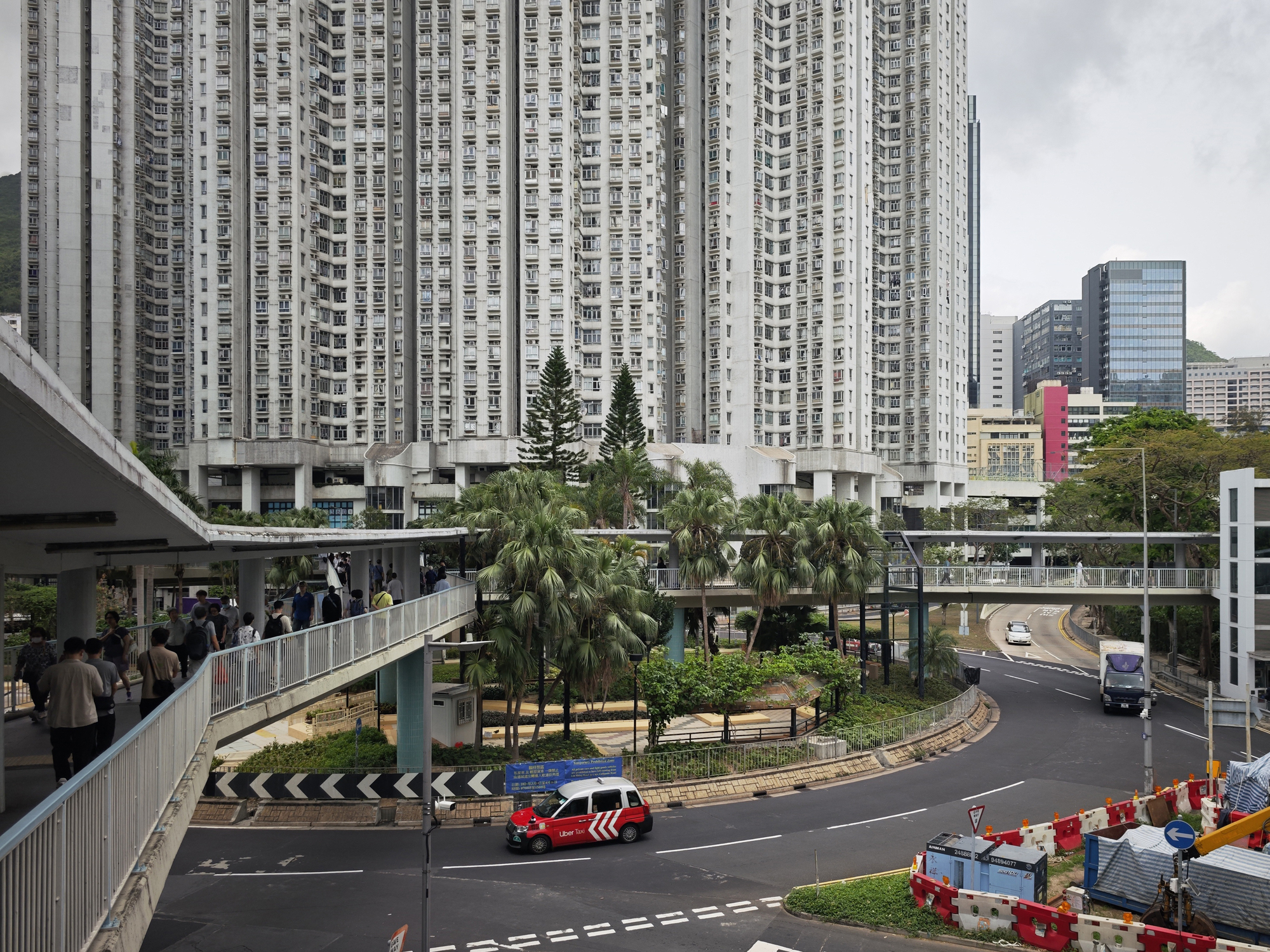
Hong Kong is reimagining its urban infrastructure through elevated networks that integrate climate resilience and commerce. This innovative approach not only enhances connectivity but also addresses pressing environmental challenges.
Introduction
As Hong Kong continues to grapple with the challenges of urban density and climate change, innovative solutions are emerging to reshape the city's infrastructure. One such initiative is the development of elevated networks, which aim to enhance connectivity while promoting sustainability and resilience against environmental impacts.
The Concept of Elevated Networks
Elevated networks are multi-functional pathways that connect various parts of the city above ground level. These structures not only facilitate pedestrian and cyclist movement, but they also serve as vital links between commercial areas, residential neighborhoods, and public transport hubs. As urban planners and architects explore this concept, they are increasingly integrating green spaces and climate-responsive features into the design, creating a harmonious blend of nature and urban life.
Climate Resilience and Urban Planning
With rising sea levels and extreme weather events becoming more frequent, Hong Kong's urban planners are prioritizing climate resilience in their designs. The elevated networks are designed to withstand flooding and other climate-related challenges, offering a safe passage for residents even during adverse weather conditions. This proactive approach not only protects the infrastructure but also ensures the safety of the city's inhabitants.
Commercial Opportunities
Beyond their functional benefits, elevated networks present significant commercial opportunities. By creating vibrant spaces for retail and dining, these networks can stimulate local economies and attract tourists. The integration of commercial zones within these pathways encourages foot traffic and fosters a sense of community, making them attractive destinations for both locals and visitors.
Case Studies: Successful Implementations
Several cities around the world have successfully implemented elevated networks, providing valuable lessons for Hong Kong. For instance, the High Line in New York City has transformed an abandoned railway into a thriving urban park, complete with art installations and gardens. Similarly, the Promenade Plantée in Paris has revitalized an old railway viaduct into a lush green walkway, showcasing how elevated structures can enhance urban life.
Challenges Ahead
Despite the promising potential of elevated networks, there are challenges that Hong Kong must navigate. The city's unique topography and dense population present logistical hurdles in construction and design. Furthermore, balancing the needs of various stakeholders, including residents, businesses, and environmental groups, will be crucial in ensuring the success of these projects.
Community Engagement and Future Prospects
Engaging the community in the planning process is essential for the success of elevated networks. Public consultations and participatory design workshops can help gather input from residents, ensuring that the final designs reflect the needs and aspirations of the community. As Hong Kong moves forward with these initiatives, the focus will be on creating inclusive spaces that foster social interaction and promote a sense of belonging.
Conclusion
As Hong Kong embarks on this ambitious journey to develop elevated networks, the city stands at the forefront of urban innovation. By prioritizing climate resilience and community engagement, these elevated pathways have the potential to transform the urban landscape, making it more sustainable, connected, and vibrant. The future of Hong Kong's infrastructure lies in its ability to adapt to the challenges of climate change while fostering economic growth and enhancing the quality of life for its residents.