Ex-Organizers Of Annual Tiananmen Vigils In Hong Kong Convicted In National Security Case
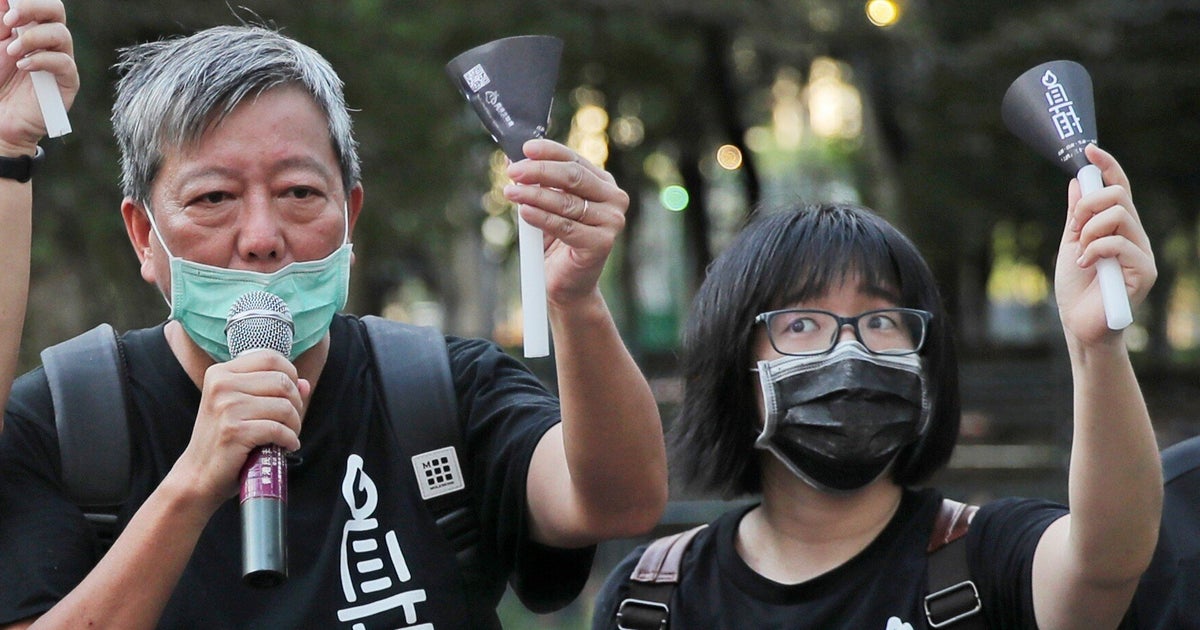
In a significant ruling, former leaders of the Tiananmen vigil organizing committee have been convicted under Hong Kong's national security law. This case highlights the ongoing crackdown on dissent and the diminishing space for political expression in the region.
Ex-Organizers Convicted Under National Security Law
In a landmark ruling that has sent shockwaves through the city, former organizers of the annual Tiananmen Square vigils in Hong Kong have been found guilty of violating the controversial national security law. The verdict, delivered in a Hong Kong court, marks a significant escalation in the ongoing crackdown on dissent and political expression in the region.
Background of the Case
The case centered around the actions of the Hong Kong Alliance in Support of Patriotic Democratic Movements of China, which had organized the vigils for over three decades to commemorate the 1989 Tiananmen Square massacre. The Alliance was disbanded in 2021 amid increasing pressure from authorities and a broader clampdown on pro-democracy movements in the city.
Details of the Conviction
The court found that the defendants had engaged in activities that were deemed to incite hatred against the Chinese government and promote secessionist sentiments. The ruling has drawn condemnation from human rights advocates, who argue that it reflects the erosion of freedoms in Hong Kong since the implementation of the national security law in 2020.
Reactions from the Community
The verdict has sparked outrage among pro-democracy supporters and activists, who see it as a blatant attempt to silence dissenting voices. Many have taken to social media to express their dismay, with some calling the ruling a “dark day for Hong Kong.”
International Response
The international community has also reacted strongly to the conviction. Several Western governments have condemned the ruling, calling it an infringement on basic human rights and freedoms. The United States, in particular, has criticized the Chinese government for its continued suppression of dissent in Hong Kong and has called for the release of all political prisoners.
Implications for Future Protests
This ruling raises significant concerns about the future of political protests in Hong Kong. The annual Tiananmen vigils had become a symbol of the city's resistance against authoritarianism, and their suppression signals a broader effort to stifle any form of dissent. Activists fear that this conviction could deter future protests and further curtail freedoms in the region.
Conclusion
The conviction of the former organizers of the Tiananmen vigils is a stark reminder of the challenges facing activists in Hong Kong today. As the city grapples with the implications of the national security law, the future of political expression remains uncertain. The international community watches closely as Hong Kong continues to navigate its complex political landscape.