Exploring Local Modernism Through the Works of Tao Ho in Hong Kong
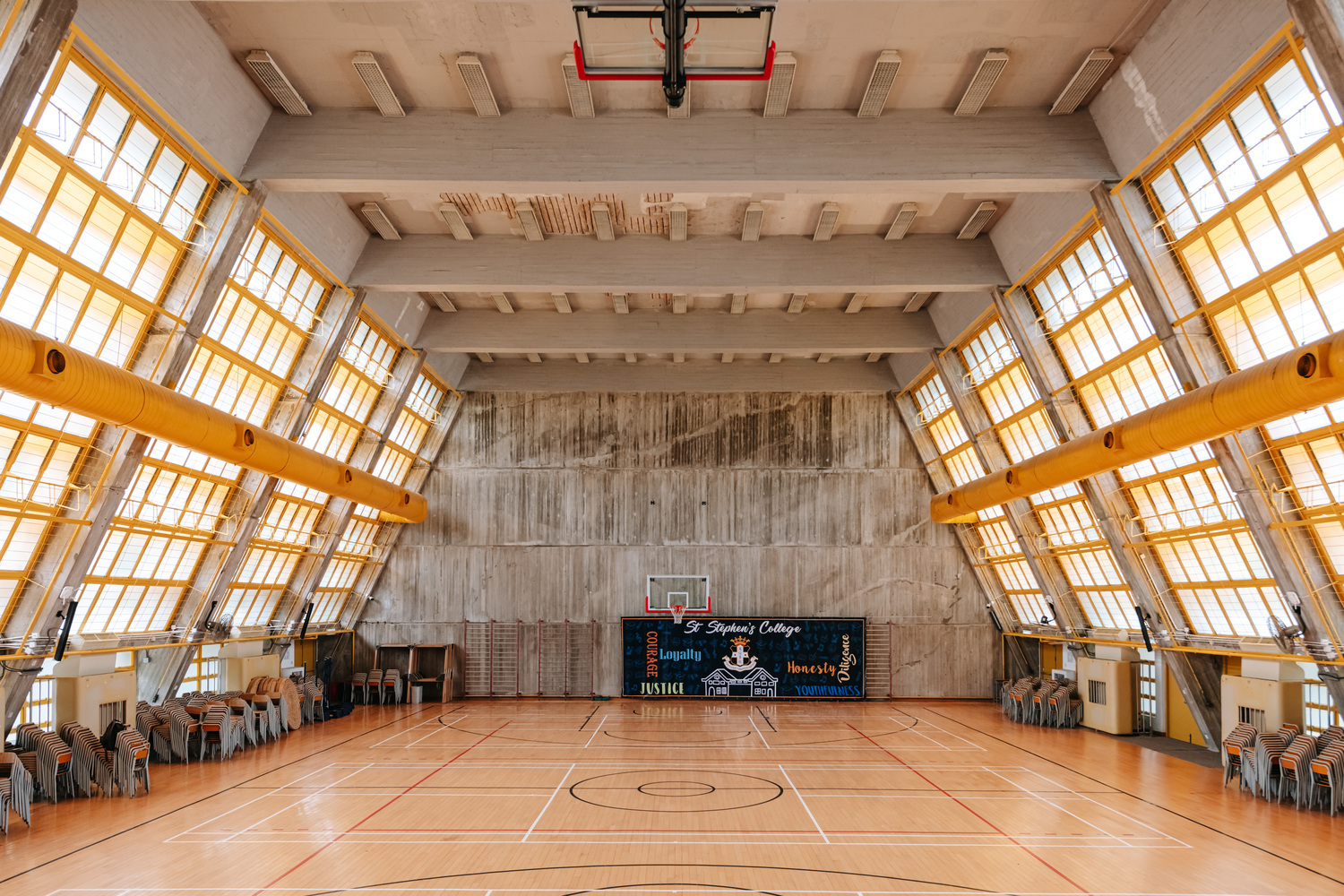
Tao Ho, a prominent figure in Hong Kong's architectural landscape, has significantly influenced the city's modernism. His designs reflect a unique blend of local culture and contemporary aesthetics, shaping the identity of urban spaces in Hong Kong.
Introduction
In the vibrant and dynamic city of Hong Kong, where tradition meets modernity, the architectural works of Tao Ho stand as a testament to the evolution of local modernism. Known for his innovative designs that resonate with the cultural fabric of the city, Ho has played a pivotal role in shaping Hong Kong’s architectural identity.
The Legacy of Tao Ho
Tao Ho, an influential architect and designer, has been at the forefront of Hong Kong’s architectural scene since the 1970s. His work transcends mere aesthetics; it embodies a philosophy that integrates local culture with modern design principles. Ho's designs are characterized by their functionality, sustainability, and a deep respect for the environment. He has consistently pushed the boundaries of architecture, creating spaces that are not only visually striking but also serve the community effectively.
Architectural Philosophy
Ho’s approach to architecture is deeply rooted in the concept of 'local modernism.' This philosophy emphasizes the importance of cultural context in design, advocating for structures that reflect the unique identity of their surroundings. In a city as diverse as Hong Kong, where East meets West, Ho’s work often incorporates traditional elements, reinterpreting them through a modern lens. This fusion creates a dialogue between the past and the present, allowing the architecture to resonate with both locals and visitors alike.
Notable Projects
Among Ho's most notable projects is the Hong Kong Arts Centre, a landmark that has become a hub for cultural activities in the city. The building’s design reflects a harmonious blend of functionality and artistic expression, providing a versatile space for exhibitions, performances, and community events. Another significant project is the Central Market revitalization, where Ho’s vision transformed a historical site into a vibrant public space that celebrates local culture while accommodating modern needs.
Impact on Urban Development
Tao Ho’s influence extends beyond individual projects; he has been a key figure in shaping urban development policies in Hong Kong. His advocacy for sustainable architecture has prompted discussions on environmental responsibility in building practices. By prioritizing green design, Ho has set a precedent for future architects in the region, encouraging them to consider the ecological impact of their work.
Recognition and Awards
Throughout his career, Ho has received numerous accolades for his contributions to architecture and design. His work has been recognized both locally and internationally, highlighting his role as a cultural ambassador for Hong Kong. Awards such as the Hong Kong Institute of Architects Medal and the prestigious Asia Pacific Architecture Award underscore his commitment to excellence and innovation in the field.
Cultural Significance
The significance of Tao Ho's work lies not only in its architectural merit but also in its cultural implications. By integrating local traditions into contemporary designs, Ho has fostered a sense of belonging and identity among Hong Kong residents. His buildings serve as cultural landmarks, reminding the community of its rich heritage while embracing the future.
Conclusion
Tao Ho's contributions to Hong Kong's architectural landscape are invaluable. As the city continues to evolve, his vision of local modernism remains a guiding principle for architects and urban planners alike. Through his work, Ho has not only shaped the physical environment of Hong Kong but has also enriched its cultural narrative, ensuring that the city’s identity remains vibrant and relevant in the face of rapid change.