Exploring Singapore's Kampung Admiralty Model as a Solution to Hong Kong's Ageing Population
Hong Kong faces significant challenges with its ageing population, prompting a closer look at Singapore's innovative Kampung Admiralty model. This report explores how such community designs could address the needs of elderly residents in Hong Kong.
Introduction
As Hong Kong grapples with the pressing issue of an ageing population, innovative solutions are being sought to enhance the quality of life for senior citizens. One such model that has gained attention is Singapore's Kampung Admiralty, a pioneering integrated community that combines residential, healthcare, and recreational facilities designed specifically for the elderly. This article examines how the principles of Kampung Admiralty could be adapted to meet the unique challenges faced by Hong Kong's ageing demographic.
The Ageing Challenge in Hong Kong
Hong Kong is experiencing a demographic shift, with the proportion of residents aged 65 and above projected to rise dramatically in the coming decades. By 2030, it is estimated that nearly one in three people in Hong Kong will fall into this category. This rapid ageing trend presents a myriad of challenges, including increased demand for healthcare services, social isolation among seniors, and the need for age-friendly living environments.
What is Kampung Admiralty?
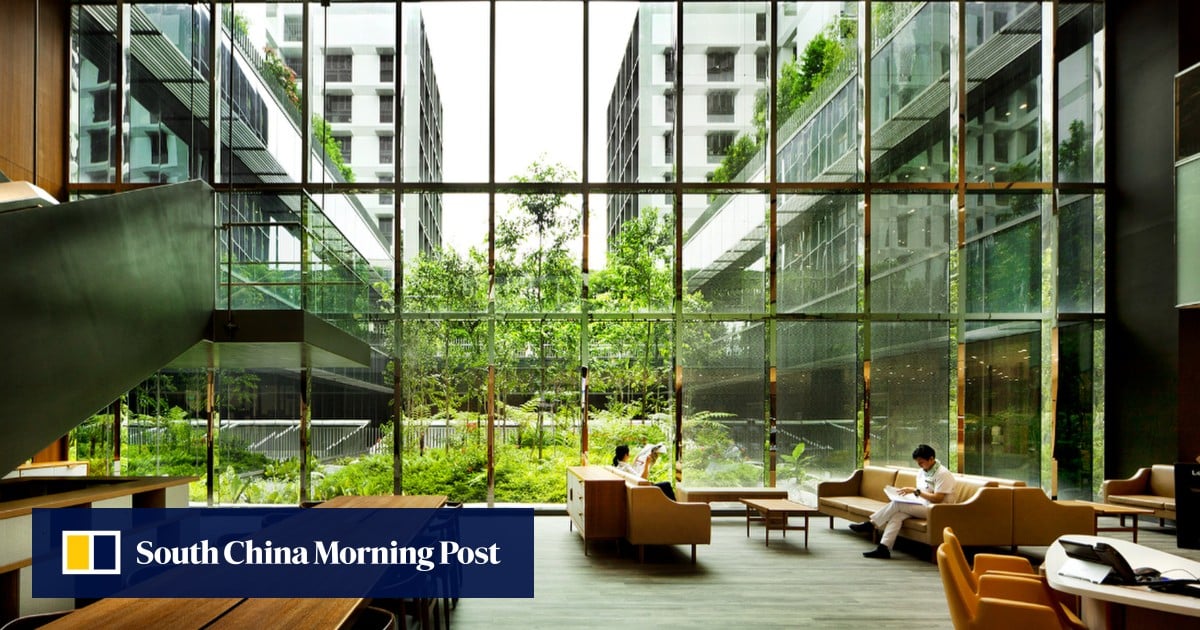
Kampung Admiralty, opened in 2018, is Singapore's first integrated public housing development designed for seniors. The complex features a mix of residential units, healthcare services, and communal spaces, all within a single location. It aims to foster a sense of community and encourage active ageing by providing facilities that promote social interaction and well-being. Key features include a rooftop garden, a community plaza, and easy access to medical services, all tailored to the needs of elderly residents.
Key Features of the Model
One of the standout aspects of Kampung Admiralty is its focus on accessibility and inclusivity. The design incorporates universal design principles, ensuring that all areas are easily navigable for those with mobility challenges. Additionally, the community spaces are designed to encourage social engagement, with areas for activities, events, and gatherings that help combat loneliness among seniors.
Potential Benefits for Hong Kong
Adopting a similar model in Hong Kong could yield numerous benefits. Firstly, it could alleviate the pressure on healthcare systems by integrating health services within the community, allowing for preventive care and regular check-ups. Secondly, the creation of communal spaces could foster social ties, reducing feelings of isolation that many elderly residents experience. Finally, such developments could also promote active lifestyles, encouraging seniors to participate in physical activities and social events.
Challenges to Implementation
While the Kampung Admiralty model offers promising solutions, implementing a similar initiative in Hong Kong is not without challenges. High land costs and dense urban environments complicate the development of integrated communities. Furthermore, there is a need for collaboration between government agencies, private developers, and community organizations to create a cohesive approach that addresses the diverse needs of the elderly population.
Conclusion
As Hong Kong continues to confront the realities of an ageing population, exploring innovative solutions like Singapore's Kampung Admiralty could provide a roadmap for enhancing the lives of senior citizens. By focusing on community integration, accessibility, and social engagement, Hong Kong has the opportunity to create a more inclusive and supportive environment for its elderly residents. The challenge lies in adapting these successful elements to fit the unique context of Hong Kong, ensuring that the city's ageing population can thrive in their later years.