Exploring the Waterfront: A Cultural Dialogue Between New York and Hong Kong
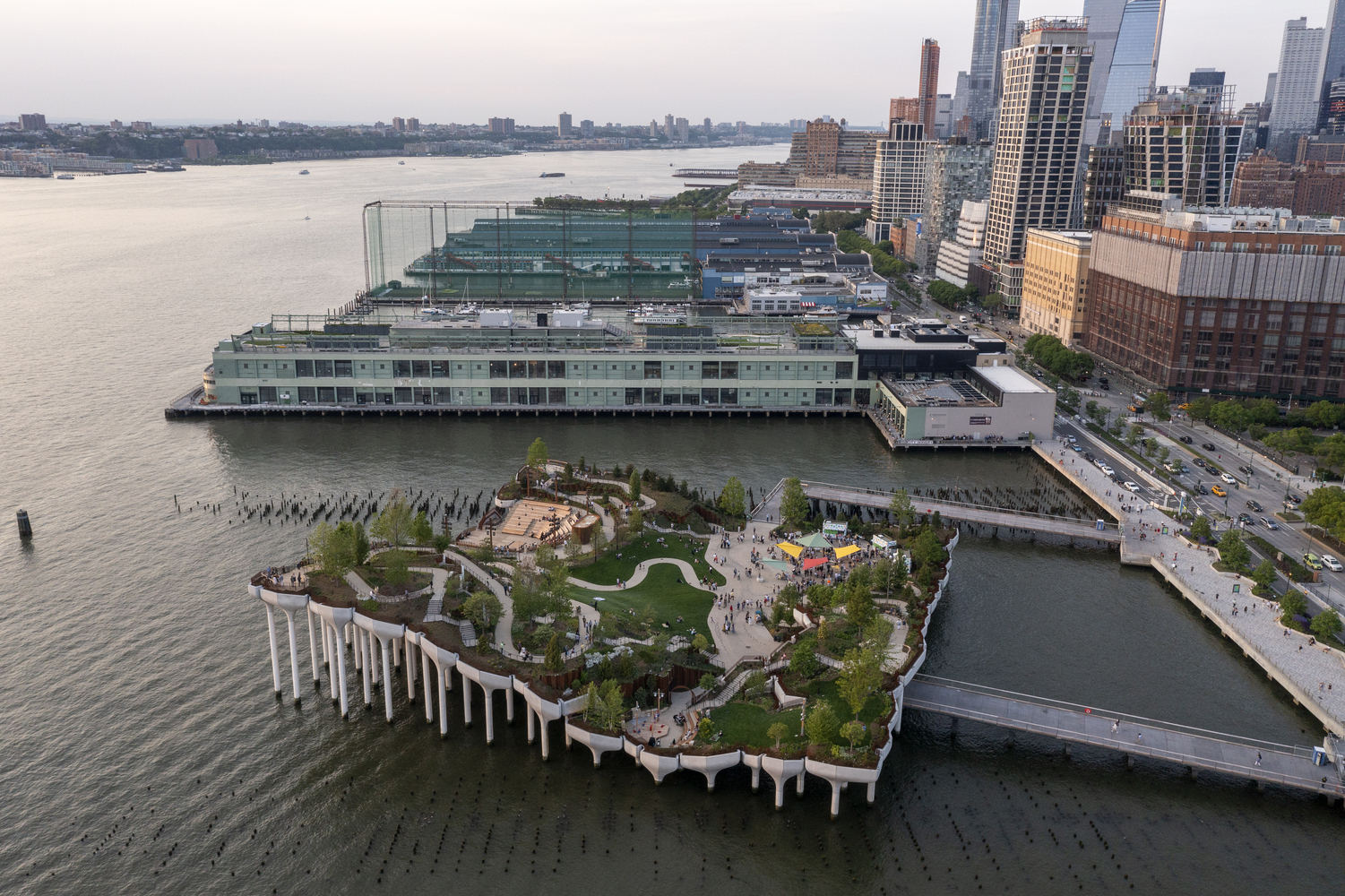
This report delves into the contrasting waterfront development philosophies of New York and Hong Kong, highlighting cultural implications and urban planning strategies. As both cities evolve, their waterfronts serve as vital cultural and social spaces that reflect their unique identities.
Introduction
As global cities continue to evolve, the waterfronts of New York and Hong Kong stand as significant cultural landmarks that reflect their respective urban identities. Both cities have embraced their waterfronts as essential spaces for recreation, commerce, and community engagement, yet they have adopted markedly different approaches to their development. This report explores the competing waterfront logics of these two metropolises, examining how cultural, social, and economic factors shape their urban landscapes.
New York’s Emphasis on Public Space
New York City has long prioritized public access to its waterfronts, transforming once-industrial areas into vibrant public spaces. The High Line, a linear park built on a former elevated railway, exemplifies this trend, offering residents and visitors a unique perspective of the city while promoting community interaction. The city’s waterfront development strategies emphasize parks, promenades, and recreational facilities that encourage social engagement and inclusivity.
The recent revitalization of the East River waterfront, which includes parks, bike paths, and public art installations, further illustrates New York’s commitment to creating accessible spaces. These developments not only enhance the aesthetic appeal of the waterfront but also foster a sense of community ownership and pride. The integration of green spaces into urban environments has become a hallmark of New York’s approach, reflecting a growing awareness of the importance of sustainability and ecological health.
Hong Kong’s Multifunctional Waterfronts
In contrast, Hong Kong’s waterfront development has often focused on multifunctionality, blending commercial, residential, and recreational uses. The city’s iconic Victoria Harbour serves as a prime example of this approach, where luxury developments coexist with public parks and cultural institutions. The West Kowloon Cultural District, a massive arts and culture hub, is set to redefine the waterfront experience in Hong Kong, showcasing the city’s commitment to cultural development.
However, this multifunctional model has raised concerns about accessibility and social equity. While high-end developments attract affluent residents and tourists, many local communities feel marginalized. The challenge for Hong Kong lies in balancing economic growth with the need for inclusive public spaces that serve all citizens, not just the privileged few.
Cultural Reflections in Urban Planning
The differences in waterfront development philosophies between New York and Hong Kong reflect broader cultural values. New York’s focus on public space and community engagement mirrors its historical identity as a melting pot of cultures, where diversity is celebrated and public life thrives. In contrast, Hong Kong’s rapid economic growth and emphasis on multifunctionality highlight its position as a global financial hub, where commercial interests often take precedence over community needs.
As both cities continue to evolve, their waterfronts will play a crucial role in shaping cultural narratives. New York’s waterfront serves as a canvas for artistic expression and public engagement, while Hong Kong’s waterfront is increasingly seen as a battleground for social equity and cultural representation.
Conclusion
The waterfronts of New York and Hong Kong offer a fascinating lens through which to examine urban culture and identity. As these cities navigate the complexities of modern urbanization, their waterfronts will remain pivotal in shaping the cultural landscapes of their communities. Ultimately, the challenge lies in ensuring that these spaces are not only economically viable but also socially inclusive, fostering a sense of belonging for all residents.