Exploring the Waterfront: The Cultural Significance of Hong Kong and New York's Urban Landscapes
This article delves into the contrasting waterfront designs of Hong Kong and New York, highlighting their cultural implications and urban narratives. As cities evolve, their waterfronts become crucial spaces for public engagement and cultural expression.
The Waterfront as a Cultural Canvas
In the ever-evolving urban landscapes of Hong Kong and New York, the waterfronts stand as significant cultural landmarks that not only define the cities' identities but also shape their social interactions. Both cities, renowned for their iconic skylines and vibrant communities, have developed unique approaches to their waterfronts, reflecting their historical, social, and economic contexts.
Hong Kong's Dynamic Waterfront
Hong Kong's waterfront is a testament to its rapid urbanization and economic prowess. The Victoria Harbour, a natural harbor that separates Hong Kong Island from the Kowloon Peninsula, is not just a geographical feature but a cultural hub. The promenade along Tsim Sha Tsui offers breathtaking views of the skyline and serves as a gathering place for locals and tourists alike. Events such as the Symphony of Lights, which illuminates the skyline with music and laser displays, exemplify how the waterfront is utilized for cultural expression.
However, the waterfront's development has not come without challenges. The push for commercial development often threatens public access and the preservation of historical sites. Recent initiatives, such as the West Kowloon Cultural District, aim to balance commercial interests with cultural enrichment, providing spaces for art, performance, and community engagement. This development reflects a growing recognition of the waterfront as a vital space for cultural dialogue and public interaction.
New York's Iconic Waterfront
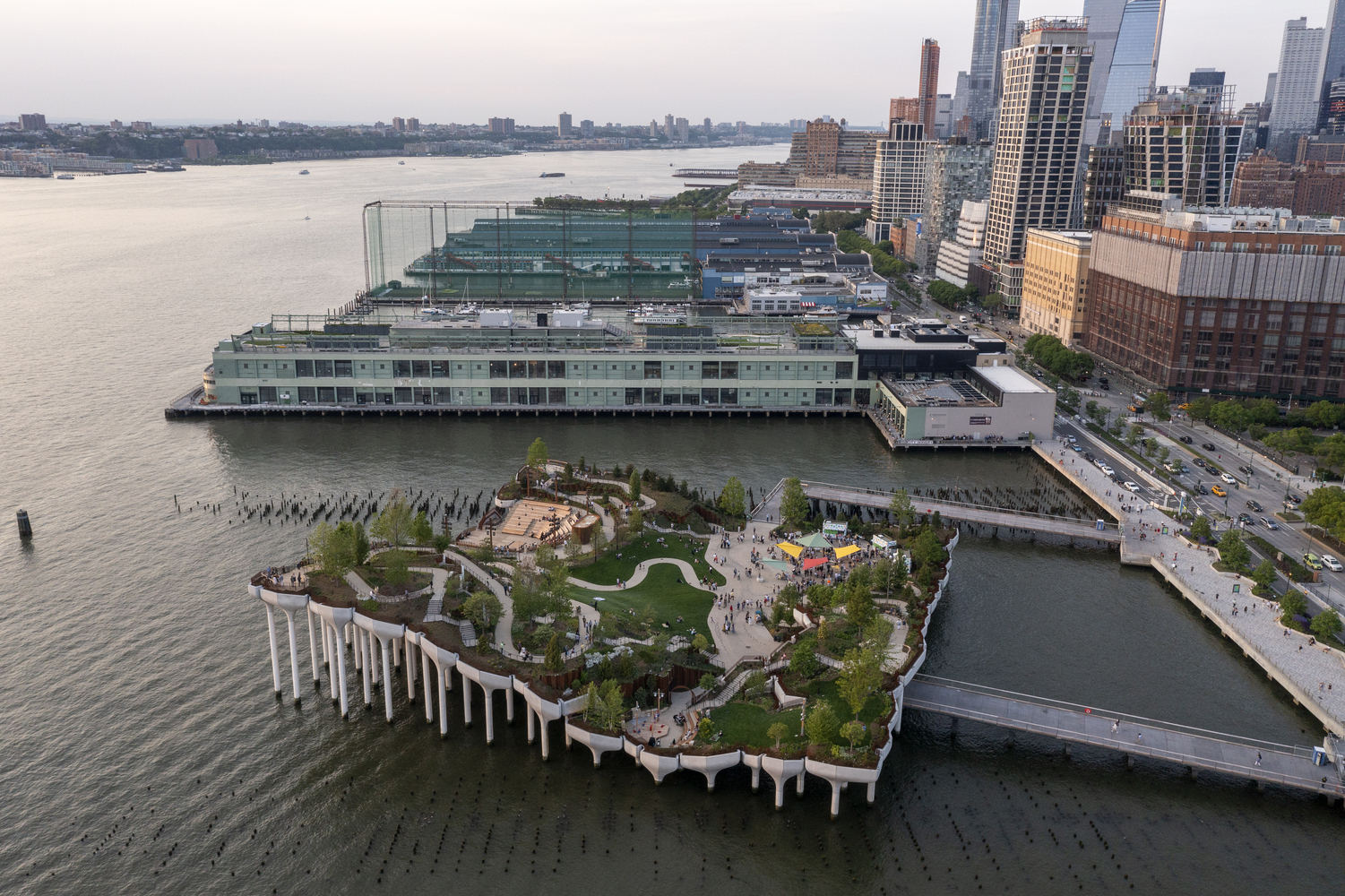
In contrast, New York's waterfront has undergone a transformation over the past few decades, shifting from industrial use to vibrant public spaces. The High Line, a repurposed elevated railway, has become a symbol of urban renewal, offering a unique perspective of the city while integrating art and nature into the urban fabric. Similarly, the Brooklyn Bridge Park has redefined the waterfront experience, providing recreational spaces, art installations, and stunning views of the Manhattan skyline.
The cultural significance of New York's waterfront is evident in its ability to foster community engagement and inclusivity. The diverse programming at these waterfront spaces, from outdoor movies to art festivals, encourages participation from all demographics, making the waterfront a true reflection of the city's multicultural identity. The emphasis on accessibility and public enjoyment highlights the importance of the waterfront as a communal space.
Comparative Analysis: Cultural Narratives
While both cities utilize their waterfronts as cultural spaces, the narratives they convey are shaped by their distinct histories and urban philosophies. Hong Kong's waterfront is deeply intertwined with its colonial past and rapid modernization, often reflecting the tension between heritage preservation and urban development. In contrast, New York's waterfront transformation represents a shift towards sustainability and community-centric urban planning, emphasizing public access and environmental stewardship.
This divergence in waterfront development raises important questions about the role of urban spaces in cultural expression. As cities grapple with issues of density, sustainability, and social equity, the waterfronts emerge as critical areas for cultural engagement and public discourse. They serve as reminders of the cities' histories while also offering a glimpse into their futures.
Conclusion: The Future of Urban Waterfronts
As both Hong Kong and New York continue to evolve, their waterfronts will remain vital to their cultural landscapes. The ongoing dialogue between development and preservation will shape the way these spaces are used and perceived. Ultimately, the waterfronts of these cities are not just physical spaces; they are cultural narratives that reflect the values, aspirations, and challenges of their communities. In an increasingly urbanized world, the waterfronts stand as a testament to the enduring importance of public spaces in fostering cultural identity and social cohesion.