Father of Hong Kong Activist Sentenced to Eight Months in Jail Under National Security Law
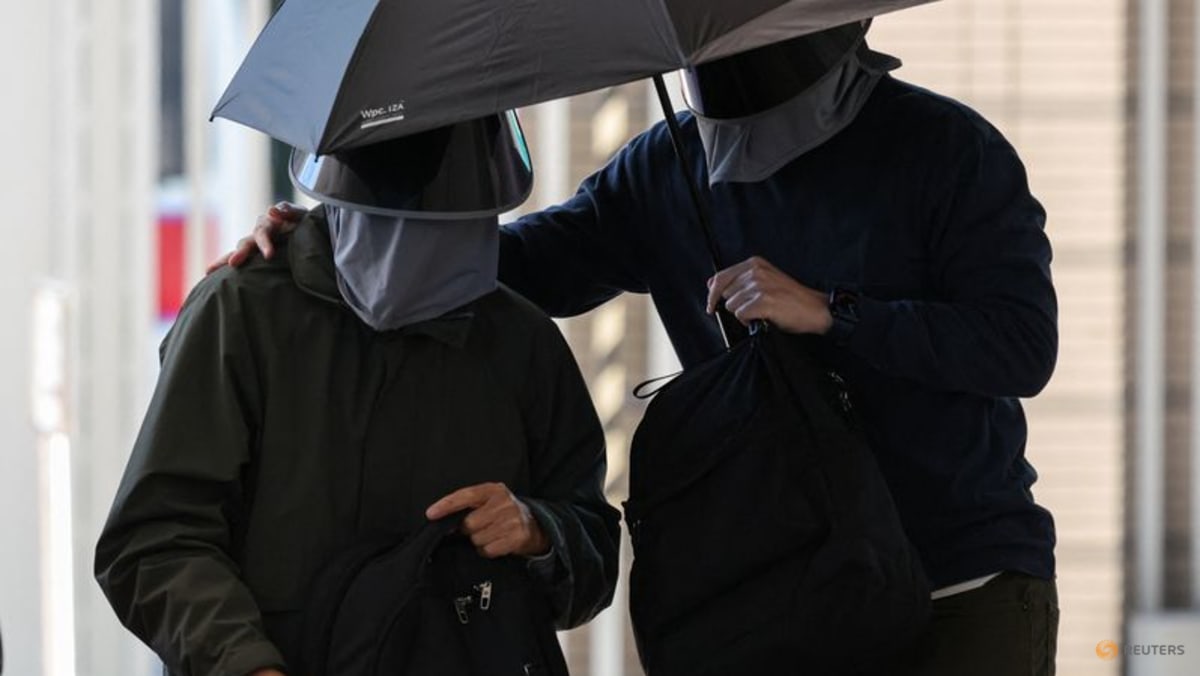
The father of a prominent Hong Kong activist has been sentenced to eight months in prison for violating the national security law. This case highlights the ongoing crackdown on dissent in the region amid increasing tensions over political freedoms.
Father of Hong Kong Activist Sentenced to Eight Months in Jail Under National Security Law
In a significant development underscoring the tightening grip of the Hong Kong government on dissent, the father of a well-known activist has been sentenced to eight months in prison under the controversial national security law. The sentencing, which has drawn widespread condemnation from human rights advocates, reflects the ongoing suppression of political freedoms in the region.
The individual in question, 61-year-old Lee Cheuk-yan, is the father of Lee Ming-che, a prominent pro-democracy activist who has been imprisoned since 2017 for his involvement in anti-government protests. The court found Lee Cheuk-yan guilty of inciting hatred against the government and organizing illegal gatherings, charges that critics argue are politically motivated and part of a broader campaign to silence dissent in Hong Kong.
During the sentencing, the judge emphasized the need to uphold national security, stating that such actions could undermine public order and safety. However, many observers believe that the law is being used as a tool to stifle free speech and political activism, particularly against those opposing the Beijing-backed administration.
The national security law, imposed by Beijing in June 2020, has been criticized for its vague definitions and broad scope, allowing authorities to prosecute individuals for a wide range of activities deemed as subversive or separatist. Since its implementation, numerous activists, politicians, and ordinary citizens have faced legal repercussions for expressing dissenting views.
Human rights organizations have condemned the sentencing of Lee Cheuk-yan, calling it a blatant violation of fundamental freedoms. Amnesty International described the ruling as a “dark day for justice in Hong Kong,” emphasizing that the national security law is being wielded to crush dissent and silence voices of opposition.
Supporters of Lee Cheuk-yan have rallied around him, asserting that his actions were motivated by a desire for democracy and human rights, not by any intent to harm national security. They argue that the government is targeting families of activists to further intimidate those who dare to speak out against the authorities.
The case has sparked outrage among pro-democracy supporters and has reignited discussions about the state of civil liberties in Hong Kong. Many activists have expressed fears that the ongoing crackdown will lead to further erosion of freedoms that were once guaranteed under the “one country, two systems” framework established during the handover of Hong Kong from British to Chinese rule in 1997.
In light of this incident, international observers are closely monitoring the situation in Hong Kong. Several foreign governments have issued statements condemning the use of the national security law to suppress dissent, calling for the immediate release of political prisoners and an end to the harassment of activists.
The sentencing of Lee Cheuk-yan serves as a stark reminder of the challenges faced by those advocating for democracy and human rights in Hong Kong. As the government continues its crackdown, the resilience of the pro-democracy movement will be put to the test, with many wondering what the future holds for political freedoms in the region.
As the situation unfolds, it remains crucial for the international community to remain vigilant and supportive of those fighting for their rights in Hong Kong. The implications of this case extend beyond the individual, touching on the broader struggles for freedom and justice in an increasingly authoritarian landscape.