Final Arguments Presented in Trial of Former Tiananmen Vigil Organizers
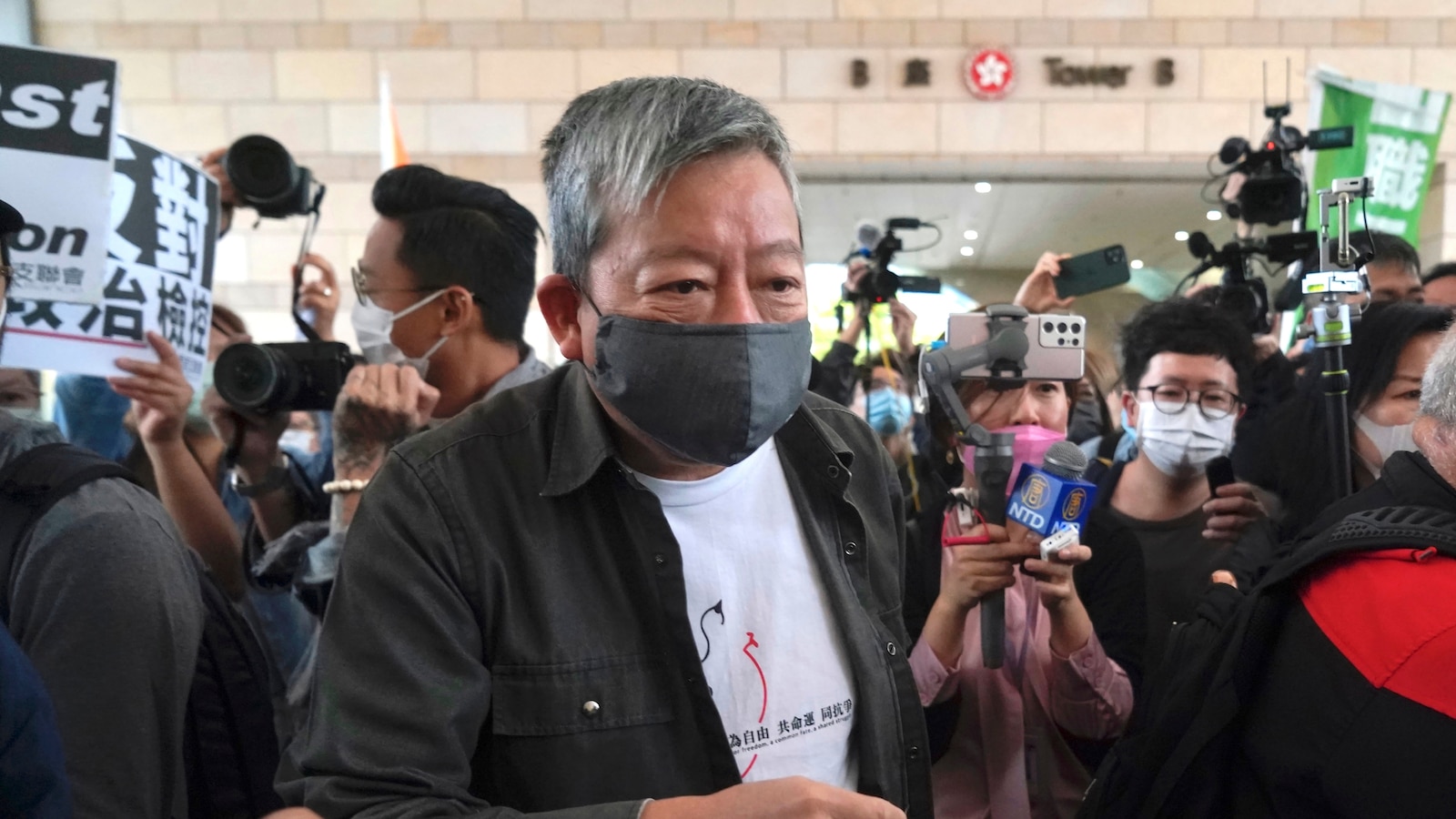
The Hong Kong court has concluded the final arguments in the trial of prominent activists linked to the Tiananmen Square vigil. The outcome of this case is seen as a significant indicator of the city's ongoing struggle for freedom of expression.
Final Arguments Presented in Trial of Former Tiananmen Vigil Organizers
Hong Kong's judiciary witnessed a pivotal moment as it concluded the final arguments in the trial of former organizers of the annual Tiananmen Square vigil, a significant event commemorating the 1989 pro-democracy protests in Beijing. The trial has attracted international attention, highlighting the ongoing tensions between the Hong Kong government and pro-democracy activists amid a broader crackdown on dissent in the region.
The defendants, including prominent figures such as Lee Cheuk-yan and Albert Ho, have been charged with inciting others to participate in an unauthorized assembly. The vigil, which has been held annually for over three decades, was banned in 2020 and 2021 under the pretext of public health concerns related to the COVID-19 pandemic. However, many view the ban as part of a systematic effort to suppress political expression in the city.
Context of the Trial
The trial has become emblematic of the broader political landscape in Hong Kong, where the freedoms of assembly and expression have been increasingly curtailed following the implementation of the National Security Law in 2020. This law has been used to target various pro-democracy activists, leading to arrests and prosecutions that many observers deem politically motivated.
During the final arguments, the prosecution argued that the defendants had acted unlawfully by organizing the vigil, which they claimed posed a threat to public order. They emphasized that the vigil's continued existence was incompatible with the current legal framework governing assemblies in Hong Kong.
In contrast, the defense maintained that the vigil was a peaceful expression of free speech and an essential part of Hong Kong's cultural and historical identity. They argued that the right to assemble and commemorate the Tiananmen Square massacre is protected under both local and international law, and that the prosecution's case was fundamentally flawed.
International Reactions
The trial has drawn significant international scrutiny, with human rights organizations and foreign governments expressing concern over the implications for freedom of expression in Hong Kong. The United States, among others, has condemned the charges against the activists, calling for their immediate release and urging the Hong Kong authorities to respect the rights of its citizens.
As the trial nears its conclusion, many in Hong Kong and abroad are watching closely, as the verdict could have far-reaching consequences for the future of political dissent in the city. Activists fear that a conviction could set a dangerous precedent, further stifling the already fragile space for civic engagement and protest.
Looking Ahead
As the court prepares to deliver its verdict, the atmosphere in Hong Kong remains tense. Pro-democracy supporters are bracing for potential repercussions, while the government continues to assert its authority over public gatherings and expressions of dissent. The outcome of this trial will likely resonate beyond the courtroom, influencing the trajectory of Hong Kong's political landscape in the years to come.
In a city where the memory of Tiananmen is increasingly suppressed, the trial of these vigil organizers serves as a stark reminder of the ongoing struggle for democracy and human rights in Hong Kong. As the world watches, the fate of these activists will not only reflect their personal journeys but also the broader fight for freedom in a city caught between its past and an uncertain future.