Former Hong Kong Journalist Leader Sentenced to Prison for Obstructing Police
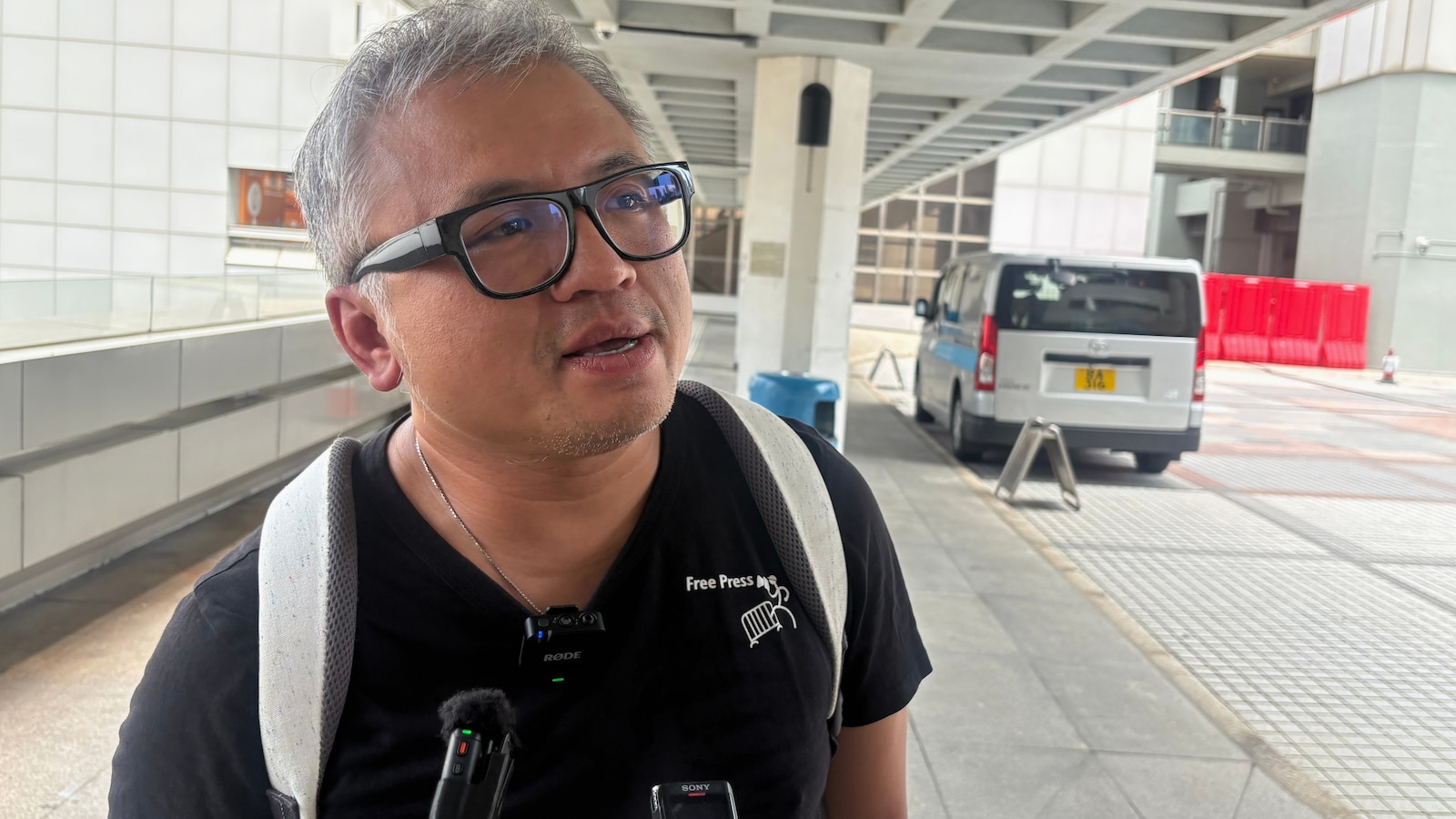
Ronson Chan, the former leader of a prominent journalist group in Hong Kong, has been sentenced to prison for obstructing police officers during a protest. This case highlights ongoing tensions between the media and law enforcement in the region.
Former Journalist Leader Convicted
Ronson Chan, the former leader of the Hong Kong Journalists Association (HKJA), has been sentenced to prison following a conviction for obstructing police officers during a protest in 2022. The case has drawn significant attention, underscoring the challenges faced by journalists in Hong Kong amidst a climate of increasing scrutiny and restrictions on press freedom.
Details of the Incident
The incident that led to Chan's conviction occurred during a protest against the government's handling of the COVID-19 pandemic. According to court documents, Chan was accused of obstructing police officers who were attempting to manage the crowd. Eyewitnesses reported that Chan was trying to document the police's actions when he was apprehended. The prosecution argued that his actions impeded law enforcement efforts, while Chan maintained that he was merely fulfilling his duties as a journalist.
Reactions from the Journalism Community
The sentencing has sparked outrage among journalists and press freedom advocates, who view it as part of a broader pattern of harassment against the media in Hong Kong. The HKJA issued a statement condemning the ruling, stating that it undermines the essential role of journalists in a democratic society. They called for the immediate release of Chan and urged the government to respect press freedoms.
Broader Implications for Press Freedom
This case is emblematic of the increasing challenges faced by journalists in Hong Kong since the implementation of the National Security Law in 2020. Many reporters have reported feeling pressured and intimidated, leading to a chilling effect on investigative journalism. The law has been criticized both domestically and internationally for stifling dissent and curtailing free expression.
International Response
International organizations, including Reporters Without Borders and the Committee to Protect Journalists, have condemned Chan's sentencing. They argue that such actions are part of a systematic effort to silence dissenting voices and undermine the independence of the press. The United States has also weighed in, with officials expressing concern over the state of press freedom in Hong Kong and calling for the protection of journalists.
The Future of Journalism in Hong Kong
As the landscape for journalism in Hong Kong continues to evolve, many fear that the situation will only worsen. The government has implemented various measures aimed at controlling the narrative, including the closure of independent media outlets and the arrest of journalists. Observers worry that the sentencing of figures like Ronson Chan could deter young journalists from pursuing careers in the field, further eroding the diversity of voices in the media.
Conclusion
Ronson Chan's conviction and subsequent sentencing serve as a stark reminder of the precarious state of press freedom in Hong Kong. As tensions between the government and the media continue to escalate, the future of journalism in the region remains uncertain. Advocates for press freedom are calling for solidarity and support for journalists facing similar challenges, emphasizing the need to protect the fundamental rights of free expression and a free press.