Former Hong Kong Media Tycoon Sentenced to Decades in Prison
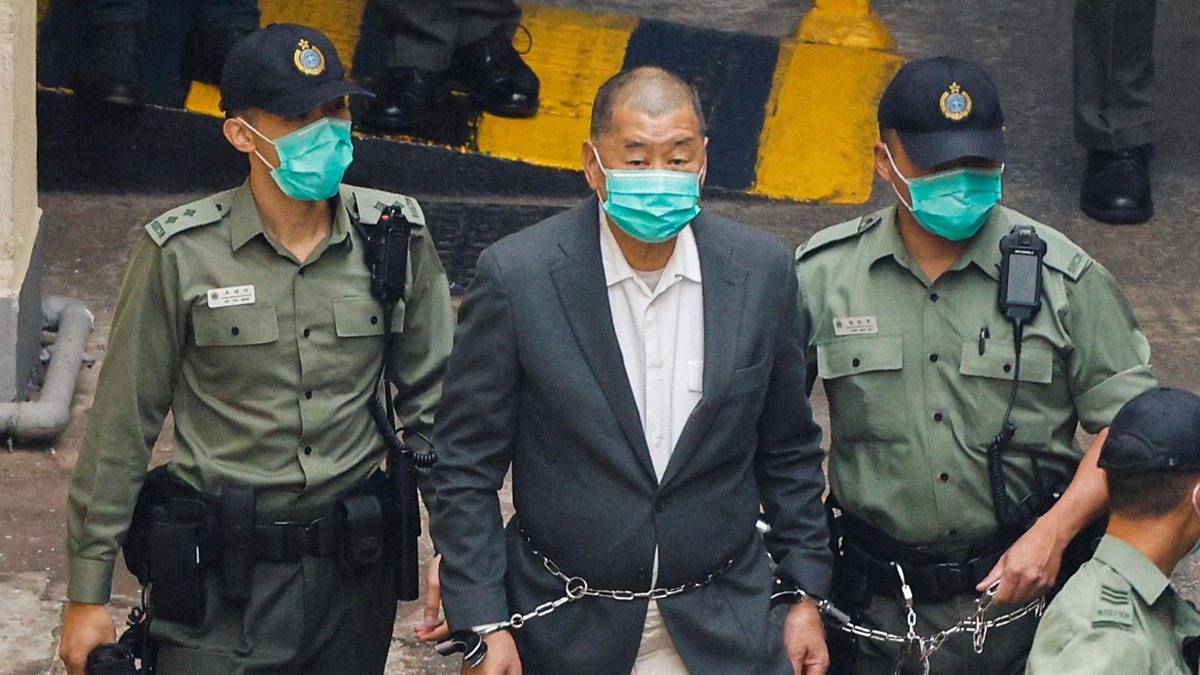
A prominent media figure in Hong Kong has been sentenced to a lengthy prison term following a high-profile trial. This case highlights ongoing tensions surrounding press freedom and the rule of law in the region.
Former Media Mogul Faces Justice
In a landmark ruling that has sent shockwaves through the media landscape of Hong Kong, former media tycoon Jimmy Lai has been sentenced to 14 years in prison. The verdict, delivered by the High Court on Tuesday, marks a significant moment in the ongoing struggle for press freedom in the region, particularly as it grapples with increasing pressure from the Chinese government.
Background of the Case
Lai, the founder of the now-defunct Apple Daily, was convicted on multiple charges, including fraud and collusion with foreign forces. His media outlet was known for its outspoken criticism of the Hong Kong government and its pro-democracy stance, making it a target for authorities following the implementation of the National Security Law in 2020. The law has been widely criticized for curtailing freedoms and stifling dissent in the city.
Implications for Press Freedom
The sentencing of Lai is seen as part of a broader crackdown on dissenting voices in Hong Kong. Since the enactment of the National Security Law, numerous journalists, activists, and politicians have faced legal challenges, raising concerns among international human rights organizations and press freedom advocates. The case has sparked debates about the future of journalism in Hong Kong and the implications for civil liberties.
International Reactions
The international community has reacted strongly to Lai's sentencing. Human rights groups, including Amnesty International and Reporters Without Borders, have condemned the ruling, calling it a blatant attack on press freedom. The United States government has also expressed its disapproval, labeling the trial a politically motivated effort to silence dissent. In a statement, a spokesperson for the U.S. State Department urged the Hong Kong government to uphold its commitments to protect freedoms and rights.
Public Response and Protests
The verdict has ignited protests across the city, with demonstrators gathering outside the courthouse to express their outrage. Many see Lai's imprisonment as emblematic of the broader erosion of freedoms in Hong Kong. Protesters have called for the release of all political prisoners and for the restoration of democratic rights in the territory. The atmosphere remains tense, with police maintaining a heavy presence to prevent any escalation of unrest.
Looking Ahead
As Hong Kong continues to navigate its complex relationship with Beijing, the implications of Lai's sentencing will likely resonate for years to come. The case has drawn attention not only to the challenges faced by journalists in the region but also to the resilience of those who continue to fight for democratic values. Observers fear that the chilling effect of such high-profile prosecutions will further stifle the already shrinking space for free expression in Hong Kong.
Conclusion
The sentencing of Jimmy Lai is a stark reminder of the precarious state of press freedom in Hong Kong. As the city grapples with increasing authoritarianism, the fight for democracy and human rights remains at the forefront of public discourse. The international community watches closely, hoping for a future where freedom of speech and the press can thrive once again in this vibrant metropolis.