Four Hong Kong Booksellers Arrested for Selling Seditious Titles
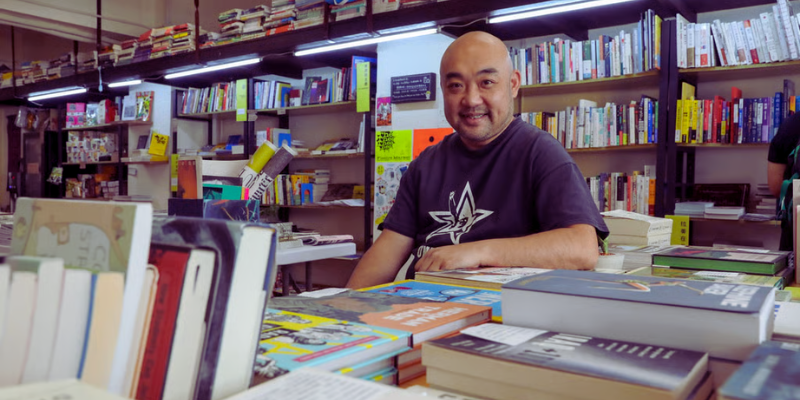
Four booksellers in Hong Kong have been arrested for selling titles deemed seditious under the National Security Law. This incident highlights ongoing concerns regarding freedom of expression and censorship in the region.
Four Hong Kong Booksellers Arrested for Selling Seditious Titles
In a significant escalation of the crackdown on free expression in Hong Kong, four local booksellers have been arrested for selling books classified as seditious under the controversial National Security Law. The arrests, which occurred earlier this week, have sent shockwaves through the literary community and raised alarms about the future of publishing and freedom of speech in the city.
The four individuals, who operated a small independent bookstore in the heart of Hong Kong, were taken into custody by the police after a series of raids on their premises. Authorities stated that the books in question contained content that incited hatred against the government and promoted secessionist sentiments, which are prohibited under the National Security Law enacted in June 2020.
This law has been widely criticized for its vague definitions and broad scope, leading to fears that it could be used to silence dissent and curb freedoms that were once guaranteed under the “one country, two systems” framework. The arrests of the booksellers are the latest in a series of actions against individuals and organizations perceived to be opposing the government, including activists, journalists, and educators.
The specific titles that led to the arrests have not been publicly disclosed, but it is believed that they included works that discussed Hong Kong's political history and advocated for democratic reforms. Many of these books were previously available in bookstores across the city, but following the implementation of the National Security Law, several publishers have opted to self-censor, removing titles that could potentially attract government scrutiny.
Internationally, the arrests have drawn condemnation from various human rights organizations and foreign governments. Human Rights Watch and Amnesty International have both issued statements calling for the immediate release of the booksellers and urging the Hong Kong authorities to uphold the rights to free expression and access to information. The U.S. State Department also expressed concern, emphasizing that such actions undermine the freedoms guaranteed to the people of Hong Kong.
Critics argue that the ongoing repression of dissenting voices is part of a broader strategy by the Chinese government to consolidate control over the semi-autonomous region. The literary community, once vibrant and diverse, is now facing increasing pressure to conform to the government's narrative. Many authors and publishers have either fled the city or ceased their operations altogether, fearing legal repercussions.
In response to the arrests, local writers and intellectuals have organized protests, calling for solidarity among those who value freedom of expression. They argue that literature should serve as a platform for diverse ideas and critical thought, rather than a tool for political propaganda. The Hong Kong Alliance in Support of Patriotic Democratic Movements of China, a prominent activist group, has also voiced its support for the arrested booksellers, highlighting the importance of independent thought in a democratic society.
The situation has prompted discussions about the role of literature and the arts in society, particularly in times of political turmoil. Many fear that the chilling effect of the National Security Law will lead to a homogenization of ideas and a significant loss of cultural heritage in Hong Kong.
As the legal proceedings against the booksellers unfold, the international community will be closely monitoring the situation. The arrests serve as a stark reminder of the fragile state of civil liberties in Hong Kong and the ongoing struggle for freedom of expression in the face of authoritarianism. The fate of these booksellers may well serve as a bellwether for the future of independent publishing and dissenting voices in the region.