GBA Celebrates A Decade of Economic Growth and Integration
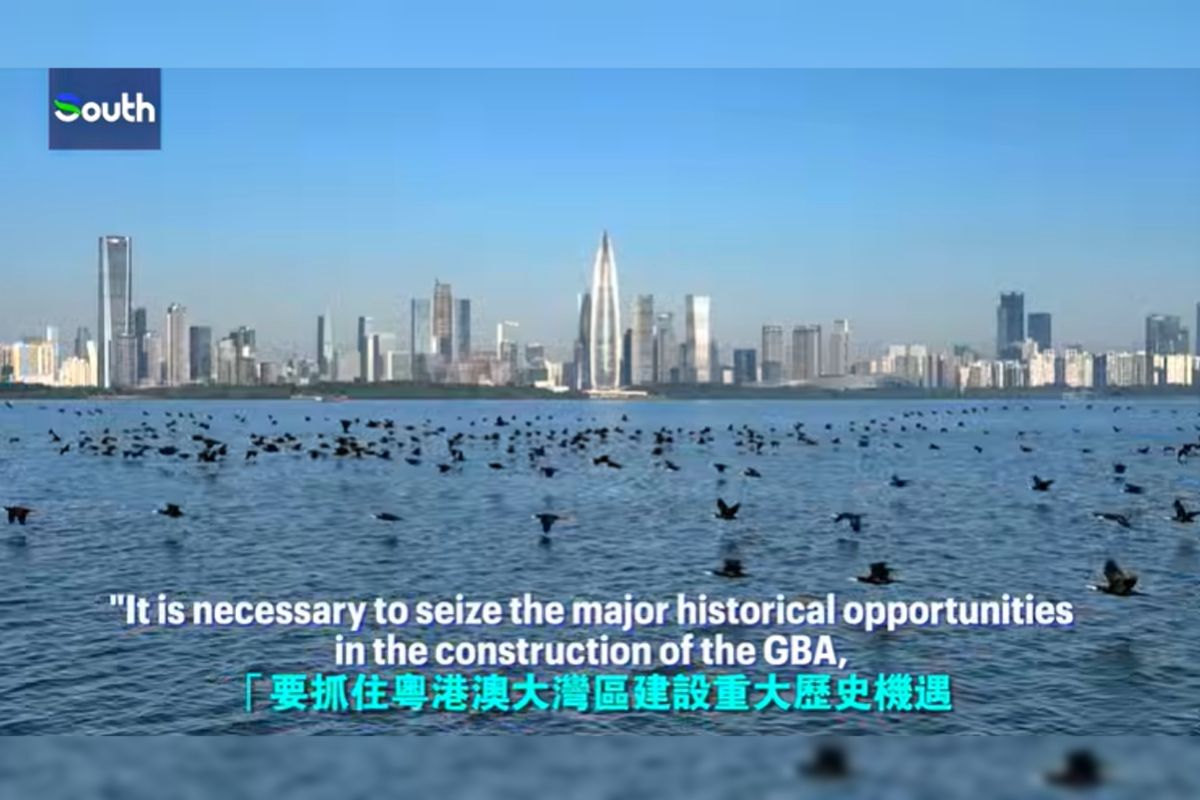
The Greater Bay Area (GBA) marks its tenth anniversary with significant economic achievements, showcasing a growth rate exceeding 60%. This milestone reflects China's strategic vision for regional integration and development.
Introduction
The Greater Bay Area (GBA), a pivotal economic region in China, has recently celebrated its tenth anniversary, marking a decade of remarkable growth and integration. According to the latest Government Work Report, the GBA has achieved an impressive economic growth rate of over 60%, solidifying its position as a key driver of national economic development.
Overview of the GBA
Established in 2017, the GBA comprises nine cities in Guangdong province, along with Hong Kong and Macau. This ambitious initiative aims to create a dynamic economic hub that fosters innovation, enhances connectivity, and promotes sustainable development across the region. The GBA is strategically positioned to leverage its geographic advantages, cultural diversity, and economic strengths, making it a vital component of China's broader economic landscape.
Economic Achievements
The GBA's economic performance over the past decade has been nothing short of extraordinary. With a growth rate surpassing 60%, the region has become a powerhouse of economic activity, contributing significantly to China's GDP. This growth can be attributed to various factors, including increased foreign investment, a burgeoning technology sector, and enhanced infrastructure development.
Key cities within the GBA, such as Shenzhen, Guangzhou, and Hong Kong, have emerged as global financial and technological hubs. Shenzhen, often referred to as China's Silicon Valley, has seen a surge in tech startups and innovation-driven enterprises. Meanwhile, Hong Kong continues to be a leading international financial center, attracting investments and talent from around the world.
Government Initiatives and Support
The Chinese government has played a crucial role in supporting the GBA's development through various policies and initiatives. The Government Work Report highlights the importance of fostering collaboration among the GBA cities, enhancing infrastructure connectivity, and promoting innovation-driven growth. Initiatives such as the establishment of special economic zones and streamlined regulations have facilitated business operations and attracted foreign investment.
Moreover, the government's commitment to sustainability and environmental protection is evident in its efforts to promote green technologies and sustainable urban development within the GBA. This focus on sustainability aligns with China's broader goals of achieving carbon neutrality and addressing climate change.
Challenges Ahead
Despite its impressive achievements, the GBA faces several challenges that could impact its future growth. Issues such as regional disparities, talent shortages, and environmental concerns require careful management and strategic planning. Additionally, the ongoing geopolitical tensions and trade disputes could pose risks to the GBA's economic stability and growth prospects.
To address these challenges, local governments and stakeholders must work collaboratively to create a conducive environment for innovation and investment. Strengthening regional cooperation and fostering a culture of collaboration among the GBA cities will be essential to overcoming these hurdles and ensuring sustainable growth.
Conclusion
The Greater Bay Area's tenth anniversary is a testament to China's vision for regional integration and economic development. With its remarkable growth and strategic importance, the GBA is poised to continue playing a vital role in shaping the future of China's economy. As the region navigates the challenges ahead, its success will depend on the collective efforts of governments, businesses, and communities to foster innovation, sustainability, and collaboration.