Global Gas Prices Surge: A Look at the World's Most Expensive Fuel in Hong Kong
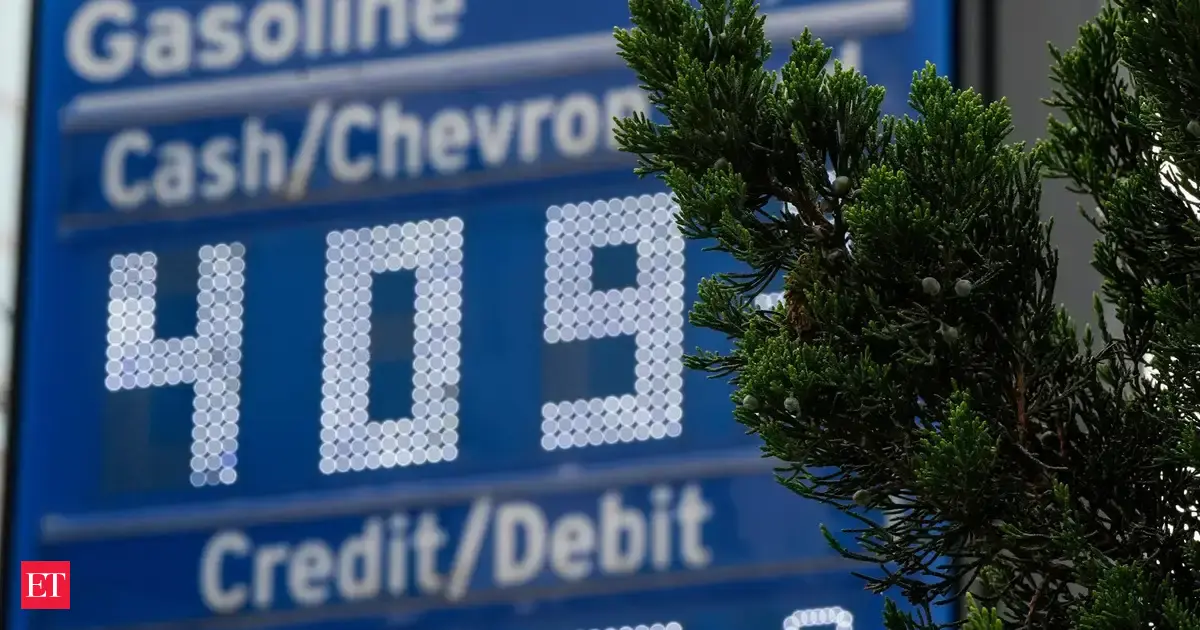
Hong Kong has recently been reported to have the highest gas prices globally, reaching an alarming $15 a gallon. This report explores the factors contributing to this steep rise and its implications for residents and the economy.
Introduction
In an unsettling trend that has caught the attention of global media, Hong Kong has been identified as the city with the world's most expensive gas prices, soaring to an unprecedented $15 a gallon. This alarming figure has raised concerns among residents and businesses alike, prompting discussions about the broader implications for the economy and daily life in the region.
Understanding the Price Surge
The recent spike in gas prices can be attributed to a combination of factors, including global oil market fluctuations, supply chain disruptions, and local taxation policies. As the world grapples with the aftermath of the COVID-19 pandemic, the demand for fuel has surged, leading to increased prices on the international market. Furthermore, geopolitical tensions, particularly in oil-producing regions, have exacerbated the situation, pushing prices even higher.
The Local Impact
For the residents of Hong Kong, the implications of these soaring gas prices are profound. Commuters relying on private vehicles are feeling the pinch, with many reconsidering their transportation options. Public transport, while generally more affordable, may not be a viable option for everyone, particularly those living in more remote areas of the city.
Moreover, businesses that depend on fuel for logistics and transportation are facing increased operational costs. This could lead to higher prices for goods and services, further straining household budgets. Small businesses, in particular, may struggle to absorb these costs, potentially leading to layoffs or even closures.
Government Response
In response to the rising gas prices, the Hong Kong government has been urged to take action. Suggestions have included implementing subsidies for low-income families and small businesses, as well as exploring alternative energy sources to reduce reliance on fossil fuels. However, critics argue that such measures may only provide temporary relief and that a more sustainable approach is needed to address the root causes of the crisis.
Comparative Analysis
When compared to other major cities around the world, Hong Kong's gas prices stand out significantly. In cities like Los Angeles and London, prices hover around $6 to $8 per gallon, making Hong Kong's rates appear exorbitant. This disparity highlights the unique challenges faced by the city, including its limited land space for fuel storage and high taxes imposed on fuel sales.
Public Sentiment
The public reaction to these soaring gas prices has been one of frustration and concern. Social media platforms have been flooded with posts from residents expressing their dissatisfaction and sharing tips on how to cope with the rising costs. Many are calling for greater transparency in fuel pricing and more accountability from both the government and oil companies.
Looking Ahead
As Hong Kong navigates this challenging period, the future of gas prices remains uncertain. Analysts predict that unless there is a significant shift in global oil supply and demand dynamics, prices may continue to rise. In the meantime, residents and businesses alike will need to adapt to this new reality, exploring alternatives and making sacrifices to cope with the financial strain.
Conclusion
The situation in Hong Kong serves as a cautionary tale for other cities around the world. As fuel prices continue to climb, it is imperative for governments and communities to work together to find sustainable solutions that protect both the economy and the well-being of their citizens.