Global Gas Prices Surge: City Reports $15 a Gallon
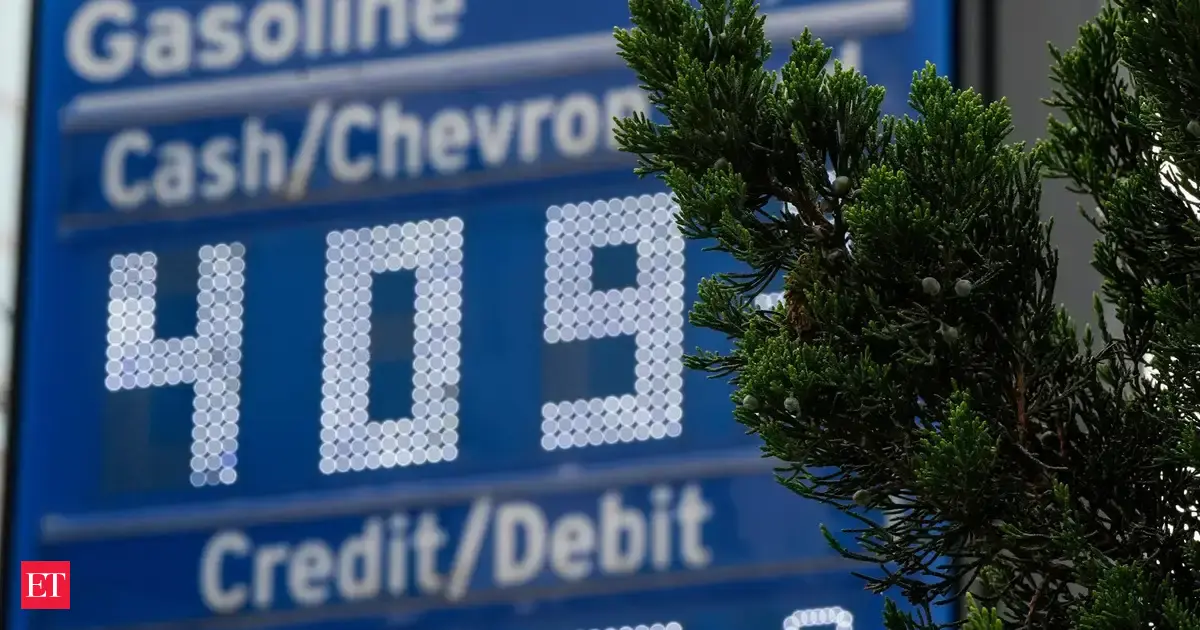
In a shocking development, one city has reported gas prices soaring to an unprecedented $15 a gallon, raising concerns about the impact on consumers and the economy. This report explores the implications of these rising fuel costs on global markets and everyday life.
Introduction
In an alarming trend that has sent shockwaves through the global economy, one city has reported gas prices reaching an astonishing $15 a gallon. This unprecedented spike in fuel costs has raised serious concerns among consumers and policymakers alike, as the implications of such high prices ripple through various sectors.
The City with the Highest Gas Prices
According to a recent report by The Times of India, this city has become the epicenter of exorbitant gas prices, surpassing all other locations worldwide. While the specific city has not been disclosed, the report highlights the growing crisis that many urban centers are facing as fuel prices continue to climb.
Factors Contributing to Rising Gas Prices
Several factors are contributing to the surge in gas prices. Firstly, geopolitical tensions and conflicts in oil-producing regions have led to supply chain disruptions, driving up costs. Additionally, the ongoing recovery from the COVID-19 pandemic has resulted in increased demand for fuel, further straining supply.
Moreover, inflationary pressures have affected the cost of production and transportation, which in turn impacts retail gas prices. Many cities are now grappling with the dual challenge of rising fuel costs and the economic fallout from these increases.
Impact on Consumers
The implications of such high gas prices are far-reaching. For consumers, the immediate effect is a significant increase in transportation costs. Commuters who rely on personal vehicles for their daily commute are particularly hard hit, as they face the prospect of paying more at the pump.
Moreover, businesses that depend on transportation for logistics and delivery services are also feeling the pinch. Higher fuel costs can lead to increased prices for goods and services, which may ultimately be passed down to consumers, exacerbating the financial strain on households.
Economic Ramifications
The broader economic ramifications of skyrocketing gas prices cannot be overlooked. Economists warn that sustained high fuel costs could lead to a slowdown in consumer spending, as households allocate more of their budgets to fuel and transportation. This shift could hinder economic growth and recovery efforts in various regions.
Furthermore, high gas prices can contribute to inflation, as businesses raise prices to cover increased operational costs. Central banks may be forced to respond by adjusting interest rates, which could have a cascading effect on borrowing and investment.
Global Response
In response to the crisis, governments and policymakers are exploring various measures to mitigate the impact of rising gas prices. Some are considering strategic reserves and subsidies to ease the burden on consumers, while others are looking at long-term solutions such as investing in renewable energy sources to reduce dependency on fossil fuels.
International cooperation may also play a crucial role in stabilizing global oil markets. Countries may need to engage in dialogue to address supply chain issues and work towards a more sustainable energy future.
Conclusion
The report of gas prices reaching $15 a gallon serves as a stark reminder of the challenges facing consumers and economies worldwide. As the situation continues to evolve, it remains to be seen how governments, businesses, and individuals will adapt to this new reality. The need for innovative solutions and collaborative efforts has never been more pressing in the quest for energy stability and economic resilience.