Global Law Enforcement's Use of Webloc Raises Privacy Concerns
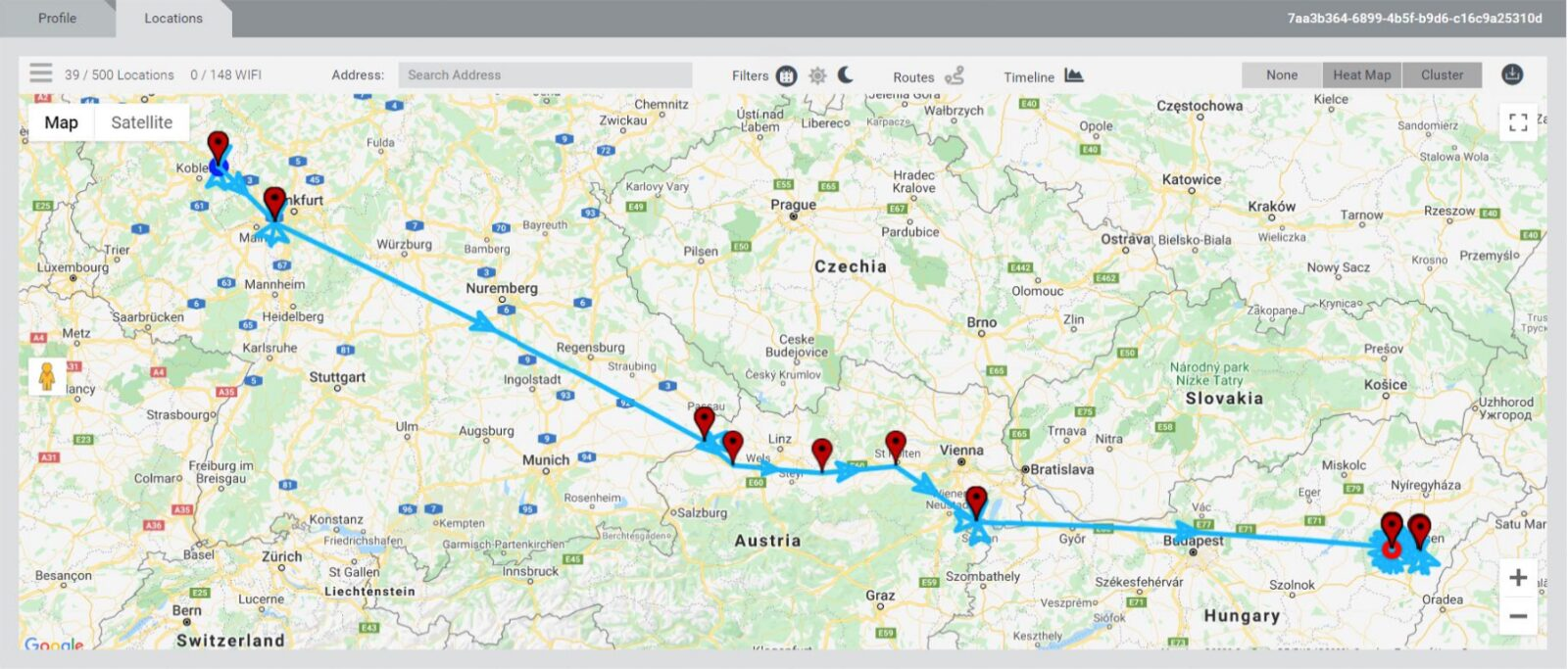
A recent report reveals that Webloc has tracked over 500 million devices worldwide for law enforcement purposes. This extensive surveillance raises significant concerns about privacy and civil liberties in the digital age.
Introduction
A recent investigation by Citizen Lab has unveiled alarming details about the surveillance practices employed by law enforcement agencies worldwide. The report reveals that Webloc, a tracking service, has monitored over 500 million devices globally, raising serious questions about privacy rights and the implications of such extensive surveillance.
The Scope of Webloc's Tracking
According to the findings published by Security Affairs, Webloc has been instrumental in providing law enforcement with the tools necessary to track individuals across various jurisdictions. This service allows authorities to gather data on the movements and activities of millions of people, often without their explicit consent or knowledge.
The sheer scale of this tracking is unprecedented. With 500 million devices tracked, the potential for abuse and misuse of this data is significant. The implications extend beyond mere criminal investigations, potentially infringing on the rights of innocent individuals who may find themselves under scrutiny simply for being in the wrong place at the wrong time.
Privacy Concerns
The revelations have sparked a heated debate about privacy and surveillance in the digital age. Critics argue that such extensive tracking undermines the fundamental rights to privacy and freedom. The lack of transparency regarding how this data is collected, stored, and used is particularly troubling, with many calling for stricter regulations to protect citizens from unwarranted surveillance.
Experts warn that the normalization of such surveillance practices could lead to a society where individuals are constantly monitored, creating a chilling effect on free expression and dissent. The implications for civil liberties are profound, as individuals may feel compelled to self-censor or alter their behavior out of fear of being watched.
Legal and Ethical Implications
The legal framework surrounding surveillance and data privacy varies significantly across different countries. In some jurisdictions, law enforcement agencies operate with minimal oversight, leading to potential abuses of power. The Citizen Lab report highlights the urgent need for comprehensive legislation that addresses the ethical implications of surveillance technology.
As technology continues to evolve, so too must the laws governing its use. Policymakers are urged to consider the balance between public safety and individual rights, ensuring that any surveillance measures are subject to rigorous oversight and accountability.
Public Response and Activism
The public response to the report has been one of outrage and concern. Advocacy groups are mobilizing to demand greater transparency and accountability from both technology companies and law enforcement agencies. Campaigns are being launched to educate citizens about their rights and the potential risks associated with surveillance technologies.
Moreover, there is a growing call for technology companies to take responsibility for the data they collect and how it is used. Many believe that companies should implement stricter privacy policies and ensure that users are informed about how their data is being utilized.
Conclusion
The findings from Citizen Lab serve as a stark reminder of the challenges posed by surveillance technologies in our increasingly digital world. As law enforcement agencies continue to adopt advanced tracking methods, it is imperative that society engages in a critical dialogue about privacy, ethics, and the future of civil liberties. Without proactive measures to safeguard individual rights, the potential for abuse and erosion of privacy will only grow.