Global Stock Markets Decline Amid Ongoing West Asia Conflict
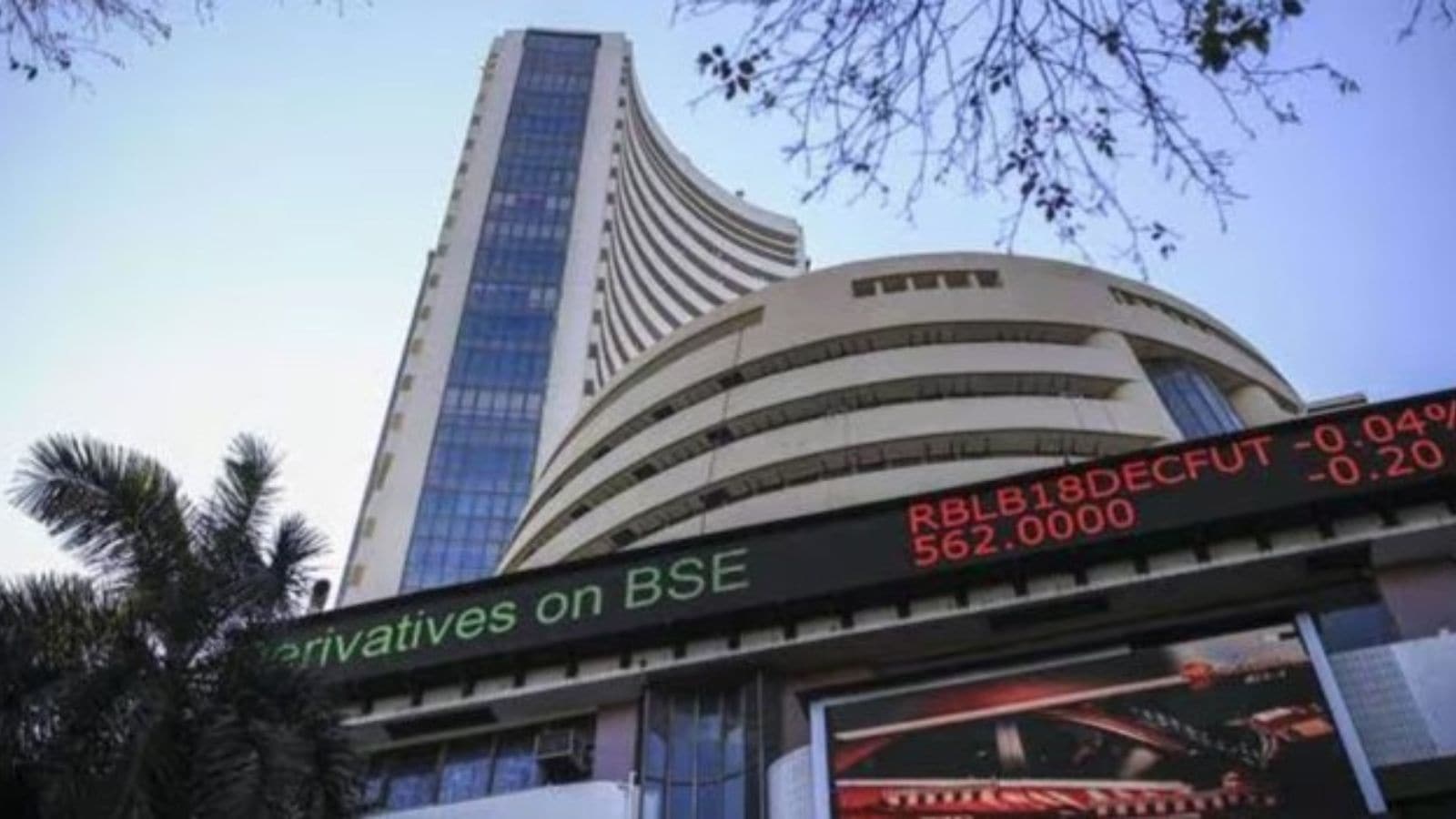
Global stock markets have experienced a significant downturn as the conflict in West Asia continues into its fifth week. Investors are reacting to escalating tensions and uncertainty in the region, prompting a wave of sell-offs.
Global Markets React to Ongoing Conflict
As the conflict in West Asia enters its fifth week, global stock markets have opened lower, reflecting investor anxiety and uncertainty surrounding the escalating situation. On the morning of October 23, major indices fell by approximately 1%, with analysts attributing the downturn to the ongoing geopolitical tensions that have disrupted economic stability in the region.
Market Overview
The latest sell-off comes as investors grapple with the ramifications of the conflict, which has already caused significant disruptions in oil supply chains and raised concerns about broader economic implications. Major stock exchanges, including those in Europe and Asia, have seen declines, with the FTSE 100 in London and the DAX in Frankfurt both reporting losses of over 1% at the open. In Asia, the Hang Seng Index and Nikkei 225 also mirrored this downward trend, reflecting widespread market apprehension.
Impact on Oil Prices
One of the most immediate effects of the conflict has been on oil prices, which have surged in recent weeks due to fears of supply disruptions. Brent crude oil prices have climbed above $90 per barrel, marking a significant increase that has further fueled inflationary pressures across various economies. Analysts warn that sustained high oil prices could lead to increased costs for consumers and businesses alike, potentially stalling economic recovery efforts in the wake of the COVID-19 pandemic.
Investor Sentiment
Investor sentiment has turned cautious as the conflict shows no signs of resolution. Many are opting for safe-haven assets such as gold and government bonds, which have seen increased demand amid the uncertainty. Market analysts suggest that the ongoing conflict could lead to prolonged volatility in the stock markets, as investors remain wary of potential escalations that could further destabilize the region.
Central Banks and Economic Policy
In response to the rising economic pressures, central banks around the world are closely monitoring the situation. The U.S. Federal Reserve, which has been on a path of interest rate hikes to combat inflation, may need to reassess its strategy if the conflict continues to impact global economic stability. Similarly, the European Central Bank faces a challenging balancing act as it navigates inflationary pressures while attempting to support economic growth in the Eurozone.
Looking Ahead
As the situation in West Asia unfolds, market analysts will be watching closely for any developments that could either escalate or de-escalate tensions. The potential for diplomatic resolutions remains, but until then, investors are likely to remain on edge, leading to continued fluctuations in stock market performance.
Conclusion
The ongoing conflict in West Asia has cast a shadow over global stock markets, prompting a wave of sell-offs and heightened investor caution. With oil prices rising and economic uncertainties looming, the coming weeks will be critical in determining the trajectory of global markets and the broader economic landscape.