Government Reviews Allegations of Civil Servants Buying Homes Near MRT Stations
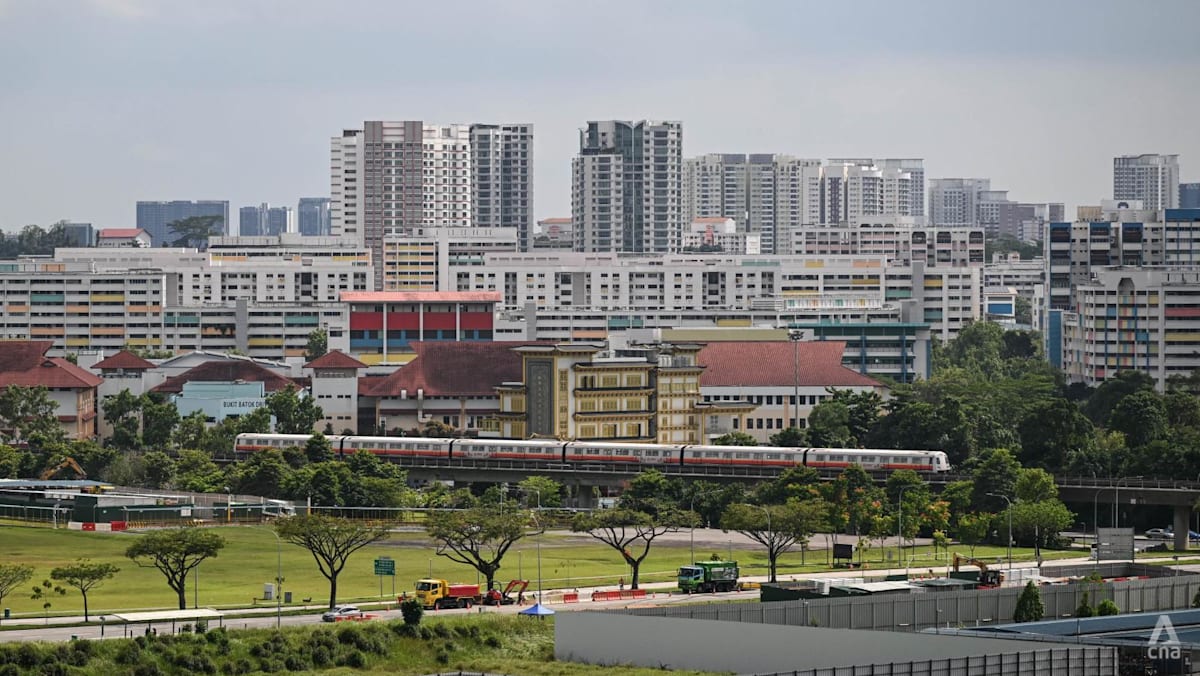
The Hong Kong government is investigating claims that civil servants have disproportionately purchased properties near unannounced MRT stations. This inquiry raises questions about transparency and potential conflicts of interest in public service.
Introduction
The Hong Kong government has announced that it is reviewing a study alleging that civil servants have disproportionately bought homes near unannounced Mass Rapid Transit (MRT) stations. This development has sparked a debate about the ethical implications of such purchases and the potential conflicts of interest that may arise within the civil service.
The Allegations
The study, which was conducted by an independent research group, suggests that a significant number of civil servants have acquired properties in close proximity to new MRT stations before their official announcements. The report claims that this trend is not merely coincidental but indicative of a deeper issue regarding the access to sensitive information by those in public service.
Government Response
In response to the allegations, a spokesperson for the Hong Kong government stated that they take such claims seriously and are committed to ensuring transparency and integrity within the civil service. The spokesperson confirmed that a thorough review of the study's findings would be conducted, and any necessary actions would be taken based on the outcome of the investigation.
Public Reaction
The public reaction to the allegations has been mixed. Many citizens express concern over the possibility that civil servants may be using privileged information to benefit financially. This has led to calls for stricter regulations regarding property purchases by public officials. On social media, users have voiced their opinions, with some advocating for greater transparency in the processes surrounding property transactions involving civil servants.
Potential Consequences
If the investigation confirms the allegations, it could lead to significant repercussions for the civil service in Hong Kong. Potential outcomes may include the implementation of stricter guidelines governing property purchases by civil servants, as well as increased scrutiny of their financial dealings. Furthermore, the government may face pressure to enhance transparency measures to restore public trust.
Historical Context
This incident is not the first time that the integrity of Hong Kong’s civil service has come under fire. Previous scandals have highlighted issues of corruption and misconduct among public officials, leading to widespread public outcry and demands for reform. The current investigation could be a pivotal moment for the government as it seeks to address these ongoing concerns.
Impact on Housing Market
The housing market in Hong Kong is already under significant pressure, with property prices soaring in recent years. Allegations of civil servants buying properties near MRT stations could exacerbate public sentiment against the government, particularly if it is perceived that public officials are benefitting at the expense of ordinary citizens. The government must tread carefully to avoid further alienating the populace amidst an already contentious housing crisis.
Conclusion
The review of the allegations regarding civil servants purchasing homes near unannounced MRT stations is a crucial step for the Hong Kong government in addressing public concerns over transparency and integrity. As the investigation unfolds, it will be essential for the government to communicate its findings clearly and take appropriate actions to restore public confidence in the civil service.