Grab Enters Taiwan Market with $600 Million Foodpanda Acquisition
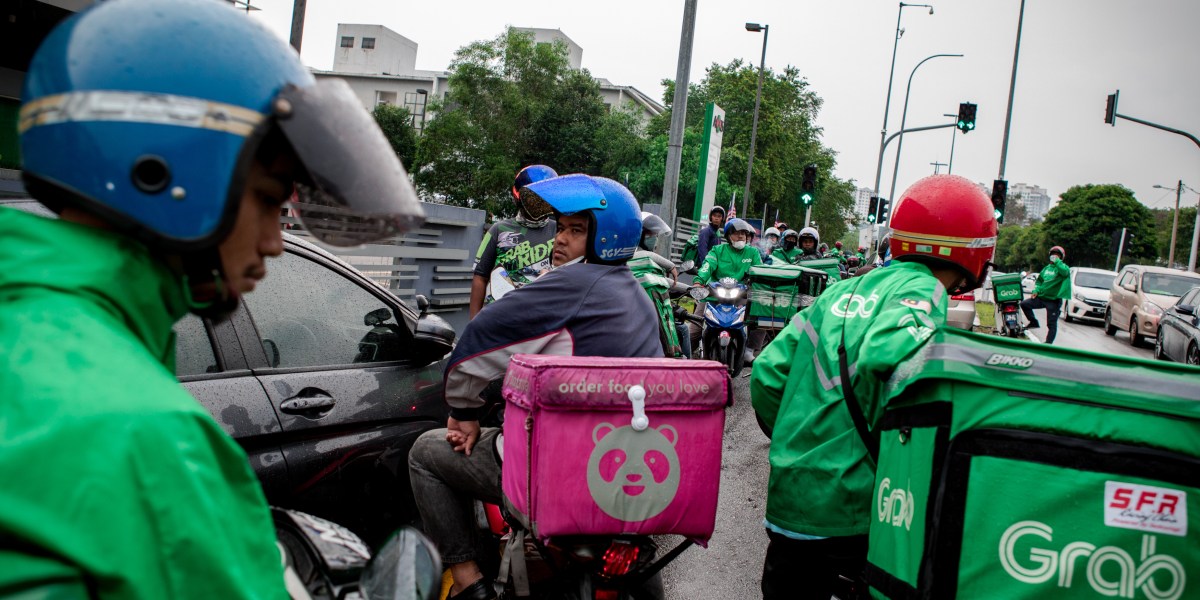
Grab, the Southeast Asian ride-hailing giant, has made a significant move by acquiring Foodpanda in Taiwan for $600 million. This marks Grab's first expansion outside of Southeast Asia, signaling its ambitions in the competitive food delivery market.
Grab Expands Its Footprint
In a landmark deal, Grab Holdings, the leading ride-hailing and food delivery platform in Southeast Asia, has announced its expansion into Taiwan through the acquisition of Foodpanda for a staggering $600 million. This move marks Grab's first foray outside of its traditional Southeast Asian markets, highlighting the company's ambition to establish a foothold in the rapidly growing food delivery sector in Taiwan.
Strategic Significance of the Acquisition
The acquisition of Foodpanda is not just a financial transaction; it represents a strategic maneuver for Grab as it seeks to diversify its services and tap into new revenue streams. Taiwan's food delivery market has seen exponential growth, driven by changing consumer behaviors and an increasing reliance on online services. By acquiring Foodpanda, Grab aims to leverage its existing technology and infrastructure to enhance service delivery and customer experience in Taiwan.
Market Dynamics and Competitive Landscape
The food delivery market in Taiwan is highly competitive, with established players like Uber Eats and local companies vying for market share. Grab's entry into this space is expected to intensify competition, prompting existing players to innovate and improve their offerings. Analysts predict that Grab's extensive experience in Southeast Asia could provide it with a competitive edge, enabling it to quickly adapt to local preferences and operational challenges.
Implications for Local Consumers
For consumers in Taiwan, the acquisition could lead to enhanced choices and improved services. Grab has indicated that it plans to integrate Foodpanda's existing operations with its own, potentially offering a wider variety of food options and faster delivery times. Additionally, the merger may result in promotional offers and discounts as the company seeks to attract new users and retain existing customers.
Grab's Vision for the Future
Grab's CEO, Anthony Tan, expressed optimism about the acquisition, stating that it aligns with the company's long-term vision of becoming a one-stop platform for various services, including transportation, food delivery, and financial services. Tan emphasized the importance of adapting to local markets and understanding consumer needs, which will be crucial for Grab's success in Taiwan.
Regulatory Considerations
As with any major acquisition, regulatory scrutiny is expected. Grab will need to navigate Taiwan's regulatory landscape to ensure compliance with local laws and regulations. The Taiwanese government has been known to scrutinize foreign investments, particularly in sectors that impact local businesses and employment. Grab's management team is likely preparing to engage with regulators to facilitate a smooth transition.
Conclusion
Grab's acquisition of Foodpanda in Taiwan marks a significant milestone in the company's expansion strategy and highlights the growing importance of the food delivery market in the region. As Grab integrates its operations with Foodpanda, stakeholders will be closely watching how this move impacts competition, consumer choices, and the overall market dynamics in Taiwan. With its sights set on becoming a leading player in the Taiwanese market, Grab is poised to make waves in the food delivery sector.