Growing Elderly Population in Hong Kong Calls for Enhanced Support Systems
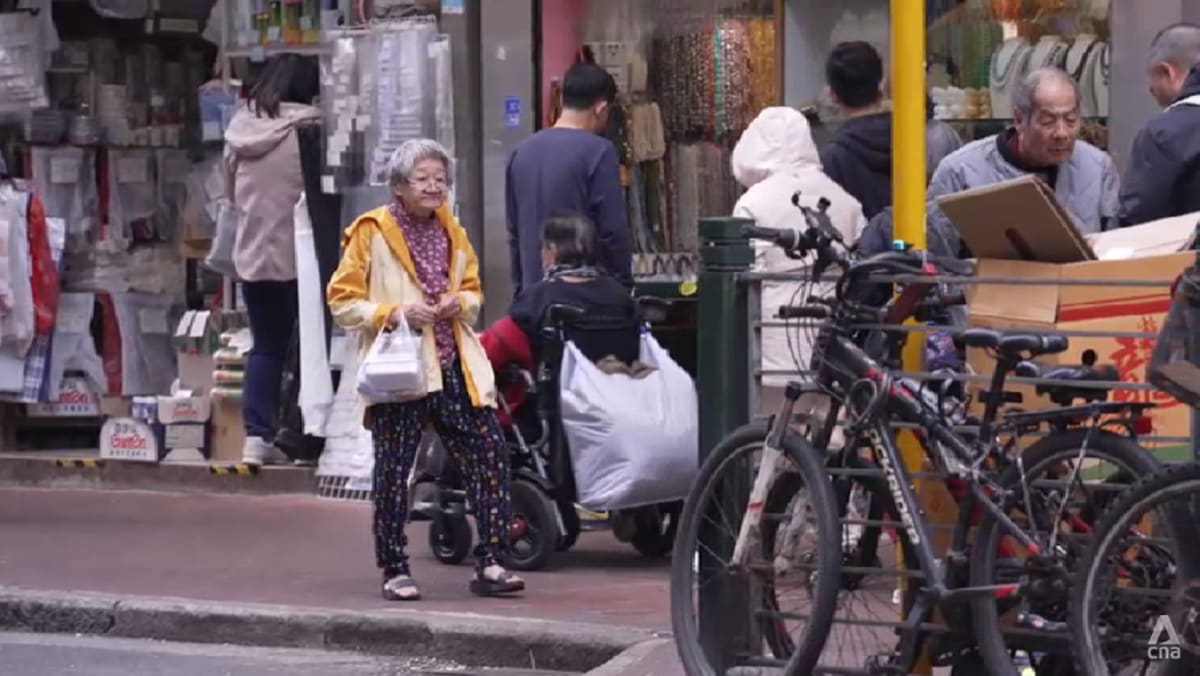
As Hong Kong's elderly population continues to rise, a significant number of seniors are living alone, prompting calls for better support services. Experts warn that without adequate measures, the well-being of these vulnerable individuals could be at risk.
Introduction
Hong Kong is facing a demographic shift as its elderly population grows at an unprecedented rate. Recent reports indicate that a significant portion of this demographic is living alone, raising concerns about their well-being and the adequacy of existing support systems.
Statistics Highlighting the Issue
According to the latest census data, approximately 1 in 5 residents in Hong Kong are aged 65 or older, and this figure is expected to rise sharply in the coming years. Alarmingly, over 300,000 seniors live alone, a trend that has been exacerbated by factors such as urbanization, changing family structures, and the increasing number of elderly individuals outliving their spouses.
The Challenges Faced by Seniors
Living alone presents numerous challenges for the elderly, including social isolation, health issues, and financial insecurity. Many seniors struggle to access essential services, including healthcare, transportation, and social activities, which can lead to feelings of loneliness and depression. The lack of a support network can further exacerbate these issues, making it crucial for the government and community organizations to step in.
Calls for Better Support Systems
In light of these challenges, experts and advocacy groups are urging the Hong Kong government to implement more robust support systems for the elderly population. This includes increasing funding for social services, expanding community programs, and enhancing healthcare access. Advocates argue that a multi-faceted approach is necessary to address the diverse needs of seniors living alone.
Government Initiatives
The Hong Kong government has made some strides in addressing the needs of the elderly. Initiatives such as the Elderly Health Care Voucher Scheme and the Community Care Service Voucher for the Elderly have been introduced to provide financial assistance for healthcare and support services. However, many believe these measures are insufficient to meet the growing demand.
Community Involvement
Community organizations are stepping up to fill the gaps left by government services. Programs that promote social interaction, such as community centers and volunteer initiatives, are gaining traction. These programs aim to reduce isolation among seniors by encouraging them to engage with their peers and participate in community activities.
Future Outlook
As the elderly population in Hong Kong continues to grow, the urgency for comprehensive support systems becomes increasingly clear. Experts emphasize the need for a collaborative approach that involves government agencies, community organizations, and families to ensure that seniors can live with dignity and support.
Conclusion
Addressing the needs of Hong Kong's elderly population is not just a moral obligation but also a necessity for the well-being of society as a whole. With the right support systems in place, seniors can enjoy a better quality of life, contributing to a more inclusive and caring community.