Hang Seng Index Defies Global Trends Amid Geopolitical Uncertainty
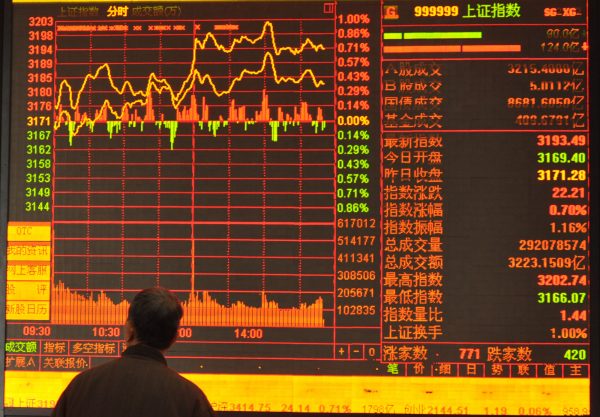
The Hang Seng Index has shown remarkable resilience in the face of global market volatility driven by geopolitical tensions. This report explores the factors contributing to the index's performance and its implications for Hong Kong's economy.
Introduction
In an era marked by geopolitical uncertainty, the Hang Seng Index (HSI) has emerged as a beacon of stability, defying global market trends that have been largely negative. As tensions rise in various parts of the world, particularly between major powers, the HSI's performance offers insights into the unique position of Hong Kong's financial landscape.
Resilience Amidst Global Volatility
While many global markets have experienced significant downturns due to escalating geopolitical tensions, the Hang Seng Index has managed to maintain a relatively stable trajectory. Analysts attribute this resilience to a combination of factors, including the region's economic fundamentals, investor sentiment, and strategic government interventions.
Economic Fundamentals
Hong Kong's economy has shown signs of recovery from the impacts of the COVID-19 pandemic, with sectors such as tourism and retail beginning to rebound. This recovery is crucial for the HSI, as it is heavily influenced by the performance of local companies that rely on consumer spending. Furthermore, the city's status as a financial hub continues to attract foreign investment, providing a buffer against global market fluctuations.
Investor Sentiment
Investor confidence in the Hang Seng Index has been bolstered by the perception of Hong Kong as a safe haven amidst global uncertainty. The city's unique position, with its blend of Eastern and Western influences, has made it an attractive destination for investors looking to diversify their portfolios. Additionally, the recent easing of some COVID-19 restrictions has further fueled optimism among investors.
Government Interventions
The Hong Kong government has also played a pivotal role in supporting the HSI's performance. With targeted fiscal policies and measures aimed at stabilizing the economy, the government has sought to instill confidence among investors. Initiatives such as the introduction of tax incentives for businesses and support for small and medium enterprises have been well-received and have contributed to a more favorable business environment.
Comparison with Global Markets
In contrast to the Hang Seng Index's stability, many global markets have faced significant challenges. For instance, the S&P 500 and European indices have experienced considerable declines as investors react to rising interest rates and inflation concerns. The divergence in performance highlights the unique circumstances surrounding Hong Kong, where local dynamics have insulated the HSI from broader global trends.
Implications for Hong Kong's Economy
The resilience of the Hang Seng Index has important implications for Hong Kong's economy. A strong stock market can lead to increased consumer confidence and spending, which in turn supports local businesses. Moreover, a thriving financial market enhances Hong Kong's reputation as a global financial center, attracting further investment and talent to the region.
Conclusion
As geopolitical uncertainties continue to loom over global markets, the Hang Seng Index stands out as a symbol of resilience and stability. Its performance not only reflects the underlying strength of Hong Kong's economy but also serves as a reminder of the city's unique position in the global financial landscape. Moving forward, stakeholders will be watching closely to see how the HSI navigates the evolving geopolitical landscape and what it means for the future of Hong Kong's economy.